8 Best Sculptural Plants for Artistic Landscaping
The scent of damp, mineral-rich earth signals a high cation exchange capacity (CEC) while the turgor pressure in a succulent stem confirms a cellular structure optimized for water retention. Selecting the best plants for artistic landscaping requires more than an aesthetic eye; it demands an understanding of botanical architecture and physiological resilience. These sculptural specimens serve as living structural elements that define spatial geometry through their rigid silhouettes and unique growth habits. By integrating species with distinct phyllotaxy and architectural strength, a gardener transforms a flat plot into a three dimensional biological installation. Success depends on matching the plant's metabolic needs with the local microclimate to ensure long term structural integrity.
Materials:
The foundation of sculptural landscaping is the substrate. For the majority of architectural plants, a **friable loam** with a **pH range of 6.0 to 7.5** is ideal. High-drainage species, such as Agave or Yucca, require a gritty mix containing 40 percent inorganic matter like perlite or coarse sand to prevent root rot.
Specific nutrient requirements vary by species, but a baseline NPK ratio of 10-10-10 supports steady vegetative growth without causing the weak, leggy stems associated with nitrogen overload. For woody structural plants, a 5-10-10 ratio encourages lignification and root development. Ensure the soil has a high organic matter content (3 to 5 percent) to facilitate a healthy rhizosphere where microbial activity can thrive.
Timing:
Sculptural plants are often slow-growing perennials that require precise timing for establishment. Most architectural specimens thrive in Hardiness Zones 4 through 11, depending on the species. Planting should occur after the final frost date when soil temperatures consistently reach 55 degrees Fahrenheit (13 degrees Celsius).
The biological clock of these plants is governed by the photoperiod. Transitioning from the vegetative stage to the reproductive stage often occurs as day length shifts; however, for sculptural impact, we prioritize the vegetative structure. In Zone 7, the ideal window for transplanting is late March to early May. This allows the root system to colonize the soil before the high transpiration demands of the summer solstice.
Phases:
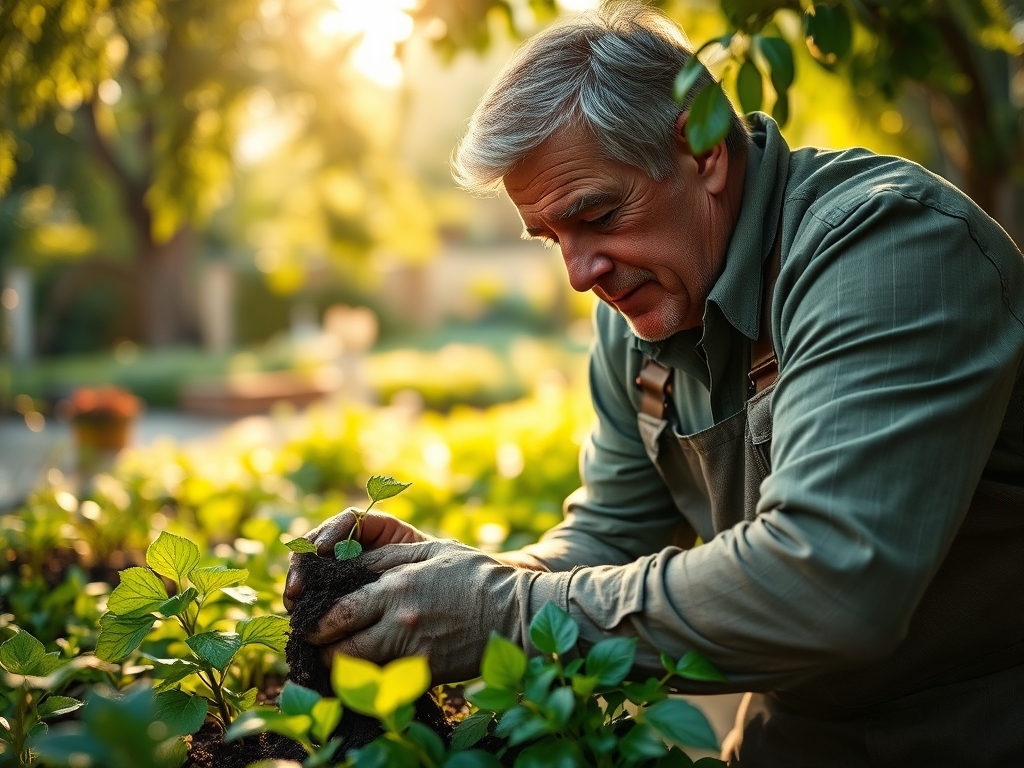
Sowing and Propagation
While many sculptural plants are purchased as established specimens, starting from seed or cuttings requires strict environmental control. For species like the Cardoon, seeds should be started indoors 8 to 10 weeks before the last frost. Maintain a constant temperature of 70 degrees Fahrenheit to ensure uniform germination.
Pro-Tip: Utilize scarification on hard-coated seeds to increase water permeability. This mimics natural weathering and triggers the hormonal shift from dormancy to active metabolic growth.
Transplanting
When moving a specimen from a container to the ground, the hole must be twice as wide as the root ball but no deeper. For artistic landscaping, placement is permanent; moving a mature structural plant causes significant transplant shock and potential senescence of lower foliage.
Pro-Tip: Dust the root ball with mycorrhizal fungi before backfilling. This symbiotic relationship extends the root's reach, allowing for better uptake of phosphorus and micronutrients through the fungal hyphae.
Establishing
The first 12 to 18 months are critical for structural stability. During this phase, the plant focuses on subterranean biomass. Avoid heavy pruning during the first year to allow the plant to maximize its photosynthetic surface area.
Pro-Tip: Minimize high-nitrogen fertilizers during establishment to prevent auxin suppression. High nitrogen can prioritize soft top growth over the sturdy, lignified stems necessary for a sculptural silhouette.
The Clinic:
Physiological disorders can ruin the clean lines of an architectural plant. Monitor these specific symptoms:
- Symptom: Yellowing of older leaves while veins remain green (Interveinal Chlorosis).
Solution: This indicates a Magnesium deficiency. Apply Epsom salts (Magnesium Sulfate) at a rate of 1 tablespoon per gallon of water. - Symptom: Soft, blackened tissue at the base of the plant.
Solution: This is likely Phytophthora root rot caused by anaerobic soil conditions. Improve drainage and reduce irrigation frequency immediately. - Symptom: Stunted growth and purple tinting on the underside of leaves.
Solution: Phosphorus deficiency. Apply a 0-20-0 superphosphate fertilizer to the root zone. - Symptom: Tip burn on new foliage.
Solution: Calcium deficiency or erratic watering. Maintain consistent soil moisture and check pH levels; Calcium becomes unavailable in highly acidic soils.
Fix-It: For general Nitrogen chlorosis (uniform yellowing of leaves), apply a quick-release liquid fertilizer with a 20-20-20 profile to restore chlorophyll production within 7 to 10 days.
Maintenance:
Precision is the hallmark of the master horticulturist. Sculptural plants require a strict irrigation schedule: provide 1.5 inches of water per week delivered at the drip line to encourage outward root expansion. Use a soil moisture meter to verify that the top 4 inches of soil are dry before the next watering cycle for succulents, or consistently moist for ferns and broadleaf specimens.
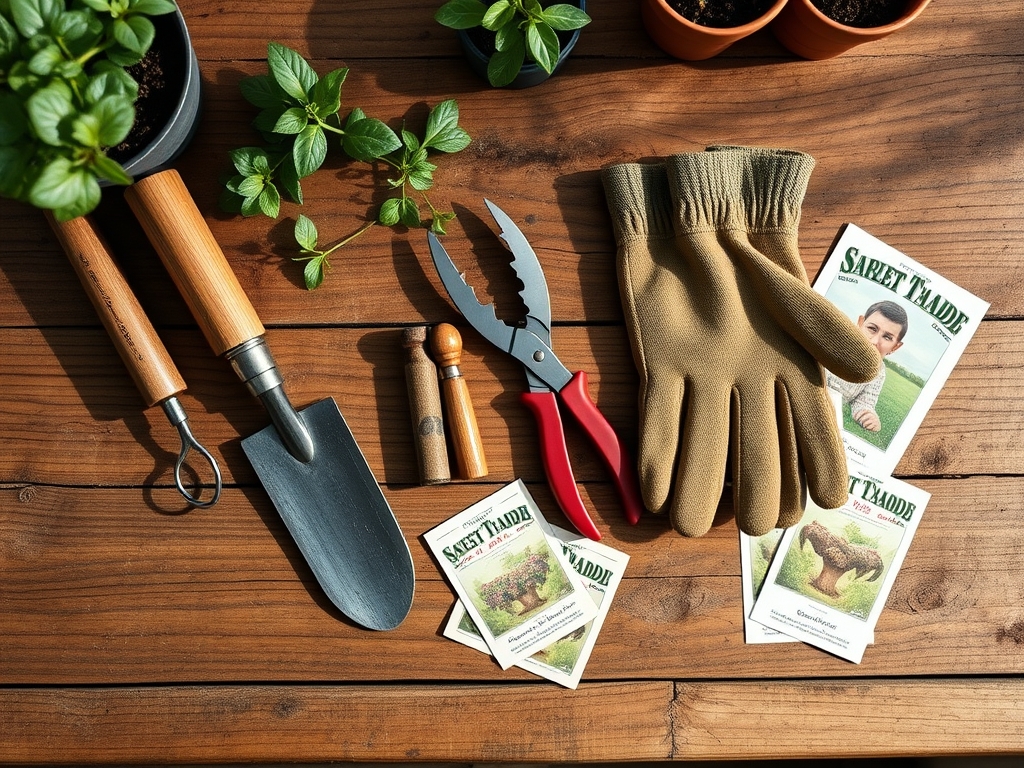
Maintain the silhouette using bypass pruners for clean cuts that heal quickly. For larger specimens, a hori-hori knife is essential for removing offsets or weeding around sensitive root zones without causing compaction. Remove dead or dying foliage (senescent material) immediately to prevent the harbor of pathogens and to maintain the visual clarity of the plant's form.
The Yield:
For sculptural plants that produce flowers or edible parts, such as Artichokes or Yucca blossoms, timing the harvest is essential for plant health. Harvest when the bracts are still tightly furled and the turgor pressure is at its peak. Use a sharp, sterilized blade to make a diagonal cut, which prevents water from pooling on the wound. To maintain "day-one" freshness for floral displays, plunge the stems into 40 degree Fahrenheit water immediately to slow the metabolic rate and prevent wilting.
FAQ:
What is the best soil for architectural plants?
A well draining, friable loam with a pH between 6.0 and 7.5 is ideal. Ensure the substrate has at least 40 percent inorganic material for succulents to prevent root rot and maintain structural integrity.
How much water do sculptural plants need?
Most require 1.5 inches of water per week at the drip line. Always use a soil moisture meter to ensure the rhizosphere is not oversaturated, as anaerobic conditions lead to rapid root senescence and plant death.
When should I prune my sculptural plants?
Prune during the dormant season or early spring before the first growth flush. Use sterilized bypass pruners to make clean cuts, ensuring the plant's energy is directed toward maintaining its primary architectural form.
Why are my plant's leaves turning yellow?
Uniform yellowing usually indicates Nitrogen chlorosis. If the veins remain green, it is likely a Magnesium deficiency. Test the soil pH and adjust with targeted NPK fertilizers or micronutrient supplements to restore chlorophyll levels.