7 Steps to Sharpen a Bypass Lopper Correctly
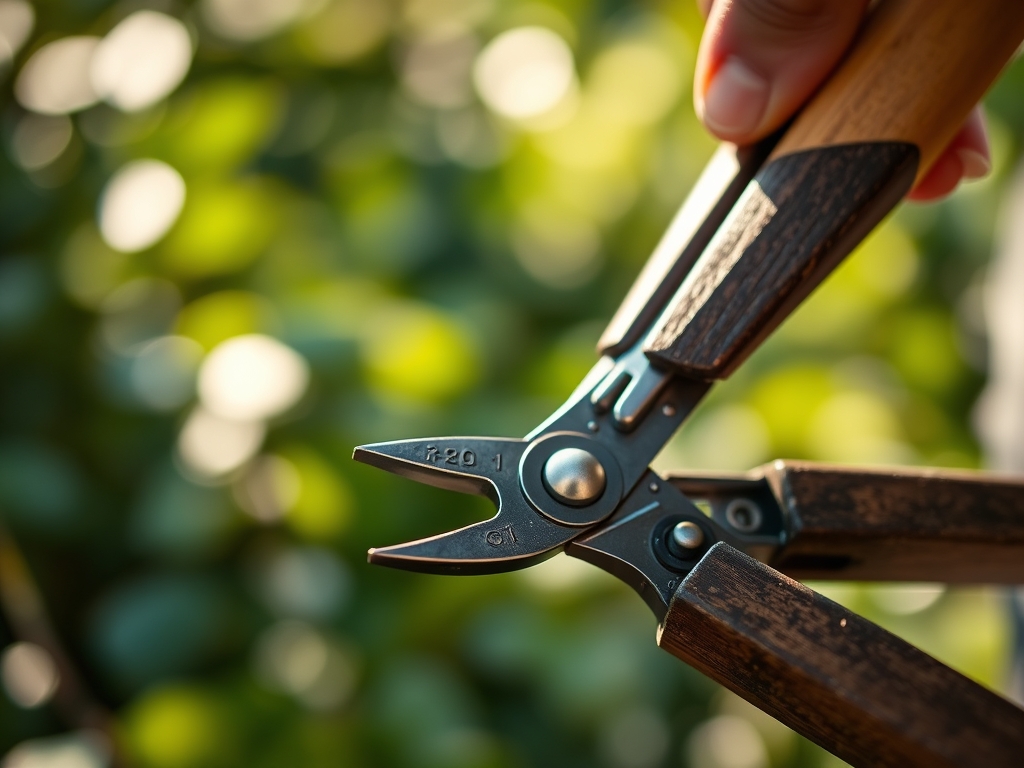
The difference between a clean cut and a crushed stem lies in the angle of your blade. A dull bypass lopper tears plant vascular tissue, inviting disease and slowing callus formation. The steps for sharpening a bypass lopper correctly restore the precise 20- to 30-degree bevel that slides past the anvil blade without binding. Metal filings accumulate in the pivot, sap hardens into resin along the cutting edge, and oxidation pits the steel. Each compromises the tool's ability to deliver the clean wound that accelerates auxin distribution and compartmentalization of decay in woody plants.
Materials
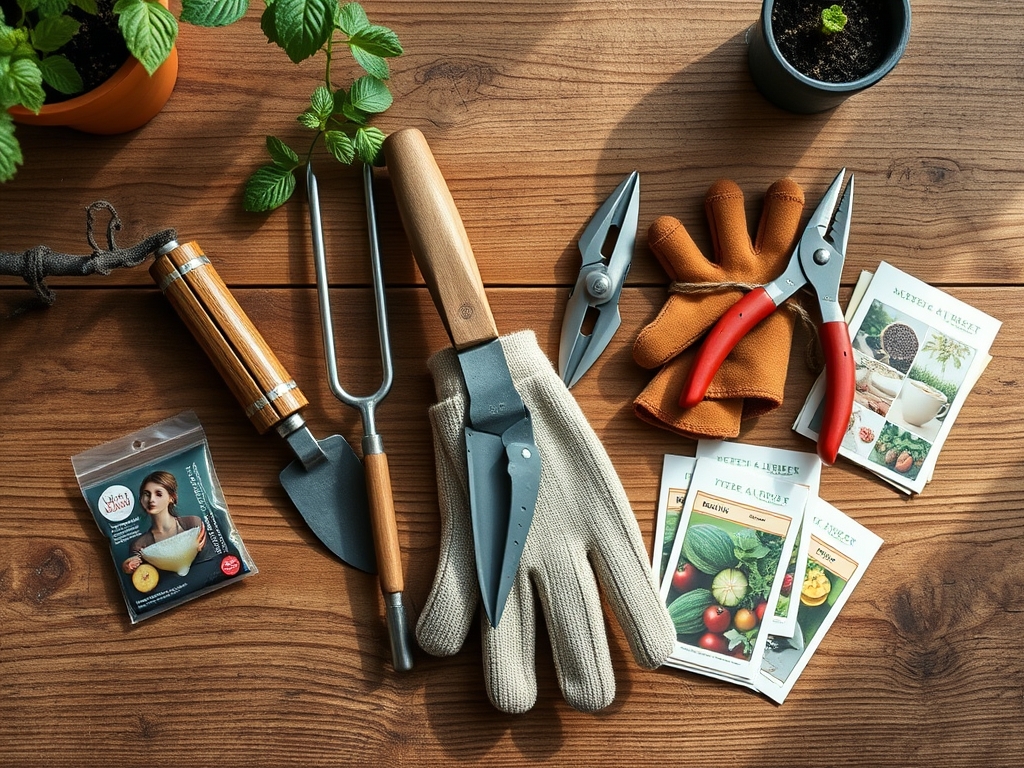
Gather tools and compounds as you would assemble nutrients for a soil amendment. A 10-inch mill bastard file (medium coarse, single-cut) acts as your primary abrasive, equivalent to a 5-10-5 balanced feed for rapid stock removal. A 200-grit diamond hone or whetstone provides the finishing pass, analogous to a foliar spray of kelp emulsion for refinement. WD-40 or lightweight machine oil serves as your surfactant, reducing friction and flushing metal particles. A wire brush clears debris from the pivot joint. Safety gloves and glasses prevent injury from steel fragments. A bench vise or C-clamp stabilizes the lopper during filing, much as staking anchors a transplant against wind stress. Isopropyl alcohol (70 percent or higher) disinfects blades between tasks, preventing cross-contamination of pathogens like Pseudomonas syringae or Xanthomonas species.
Timing
Sharpen loppers at the end of dormancy, just before bud break in Zones 3 through 7 (mid-March to early April) and Zones 8 through 10 (late January to February). This aligns tool maintenance with the seasonal pruning window when woody plants compartmentalize wounds most efficiently. Sharpen again in late summer after the primary flush of vegetative growth, typically 60 to 75 days post-frost date. Cold-climate gardeners should perform maintenance before the first hard freeze to prevent moisture intrusion into pivot joints during winter storage. High-use periods, such as rose renovation or fruit-tree training, may require mid-season honing every 40 to 50 cuts through wood exceeding 1.5 inches in diameter.
Phases
Disassembly and Cleaning
Remove the pivot bolt using a socket wrench or adjustable spanner. Separate the cutting blade from the anvil and handles. Scrub all surfaces with a wire brush dipped in soapy water to eliminate sap, soil particles, and fungal spores. Rinse under running water, then dry immediately with a lint-free cloth. Inspect the pivot bore for galling or thread damage. Apply isopropyl alcohol to disinfect, especially if the tool has cut through diseased wood.
Pro-Tip: Soak the pivot bolt in white vinegar (5 percent acetic acid) for 10 minutes to dissolve mineral deposits and restore smooth rotation.

Filing the Bevel
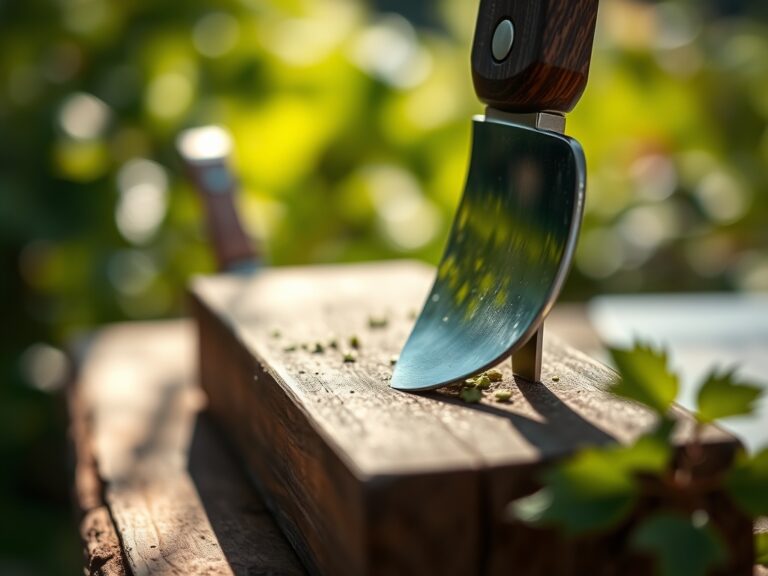
Secure the cutting blade in a vise with the beveled edge facing up. Position the file at the original factory angle, usually 20 to 30 degrees from horizontal. Stroke the file away from your body, applying firm, even pressure on the push stroke only. Lift the file on the return to prevent dulling. Count your strokes: 10 to 15 passes typically restore the edge on moderately worn blades. Check for a uniform scratch pattern across the bevel. Avoid filing the flat (non-beveled) side; this disrupts the clearance gap necessary for bypass action.
Pro-Tip: Place a drop of oil on the bevel before filing to reduce heat buildup, which can alter the steel's temper and reduce hardness below the optimal 55 to 60 HRC range.
Honing and Deburring
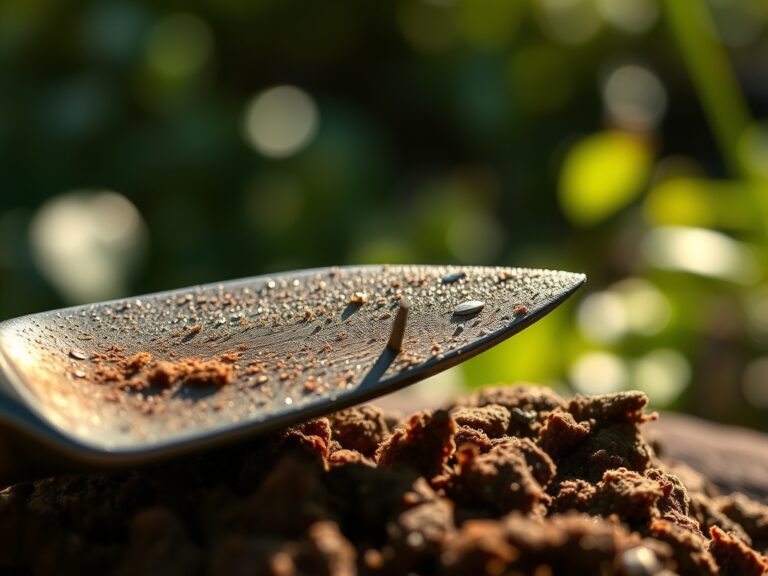
Switch to a 200-grit diamond hone or whetstone. Wet the stone with water or honing oil. Stroke the bevel 5 to 8 times at the same angle used for filing. Flip the blade and make 2 to 3 light passes on the flat side to remove the burr, the thin wire edge that curls over during filing. Test by drawing your thumbnail gently across the edge; a sharp blade catches without slipping.
Pro-Tip: Hone in a figure-eight pattern to ensure even contact along the entire edge, critical for loppers used on fibrous species like willow or dogwood.
Reassembly and Lubrication
Thread the pivot bolt back through both blades and handles. Tighten until the blades close smoothly without wobble but do not over-torque; excessive pressure increases friction and accelerates wear. Apply 3 drops of machine oil to the pivot and work the handles through 10 full open-close cycles. Wipe away excess oil to prevent soil adhesion.
Troubleshooting
Symptom: Blade binds mid-cut, crushing stems.
Solution: The bevel angle is too steep or the pivot bolt is over-tightened. Refile at 25 degrees and loosen the bolt one-quarter turn.
Symptom: Edge dulls after fewer than 30 cuts.
Solution: Steel hardness is insufficient, or the blade contacted soil-borne silica. Avoid ground-level cuts and consider upgrading to carbon steel blades with a Rockwell hardness of 58 to 62 HRC.
Symptom: Rust spots appear within days of sharpening.
Solution: Residual moisture remains in the pivot joint. Disassemble, dry all parts with compressed air, and coat with a thin film of camellia oil or silicone-based lubricant.
Symptom: Blades separate unevenly, leaving ragged cuts.
Solution: The anvil blade is bent or misaligned. Inspect for impact damage and replace if the gap exceeds 0.5 millimeters at the tip.
Maintenance
Oil pivot points after every 4 hours of use or every 100 cuts, whichever comes first. Store loppers in a dry location with blades closed to reduce stress on the spring. Wipe blades with an alcohol-dampened cloth after cutting any plant showing symptoms of bacterial canker, fire blight, or viral mosaic. Inspect the cutting edge under magnification every 6 months; micro-chips and nicks invisible to the naked eye reduce cutting efficiency by 20 percent. Replace blades when the bevel has been filed back more than 3 millimeters from the original profile. Tension the pivot bolt to 15 inch-pounds using a torque screwdriver for consistent performance across seasons.
FAQ
How often should I sharpen bypass loppers?
Sharpen every 40 to 60 cuts through hardwood species or whenever the tool crushes rather than slices tissue.
Can I use a grinding wheel instead of a file?
Grinding wheels generate excessive heat, drawing the temper from high-carbon steel and reducing edge retention by 50 percent. Stick to hand files.
What angle produces the sharpest edge?
A 20- to 25-degree bevel balances sharpness with durability. Angles below 20 degrees chip easily on dense wood.
Should I sharpen both blades?
No. Only the beveled cutting blade requires sharpening. Filing the anvil blade creates a gap that prevents clean bypass action.
How do I know when the blade is sharp enough?
A properly sharpened edge slices cleanly through a sheet of paper held vertically without tearing or deflecting the sheet.