9 Items to Prepare a Spring Tool Readiness Checklist
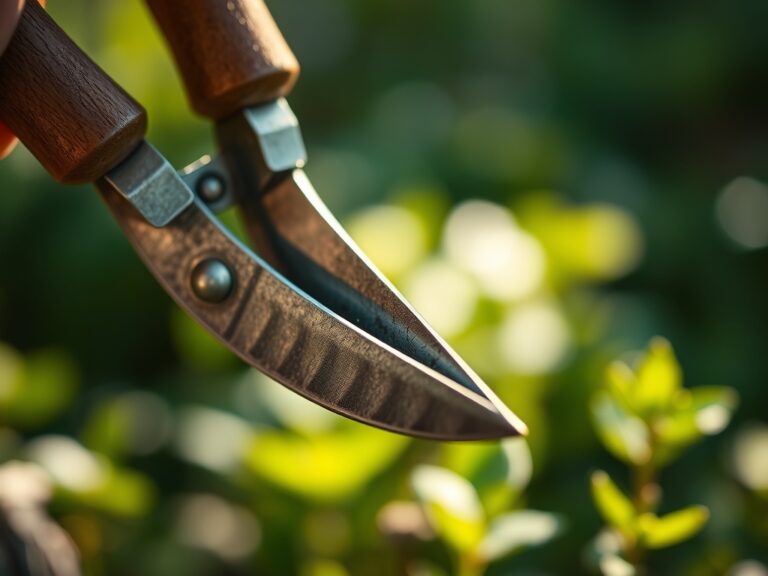
Preparing a checklist for spring tool readiness begins the moment soil temperatures stabilize above 45°F and the ground loses its winter compaction. Metal tools corrode during dormancy. Wooden handles crack from freeze-thaw cycles. Cutting edges dull against frozen earth and fibrous root balls. A systematic audit in late winter prevents mid-season failures when transplanting windows narrow to days and soil workability becomes critical. The checklist divides into nine categories: cleaning protocols, sharpening standards, handle integrity, lubrication schedules, replacement inventories, calibration of spreaders, disinfection against pathogen carryover, storage optimization, and pre-season functional testing.
Materials
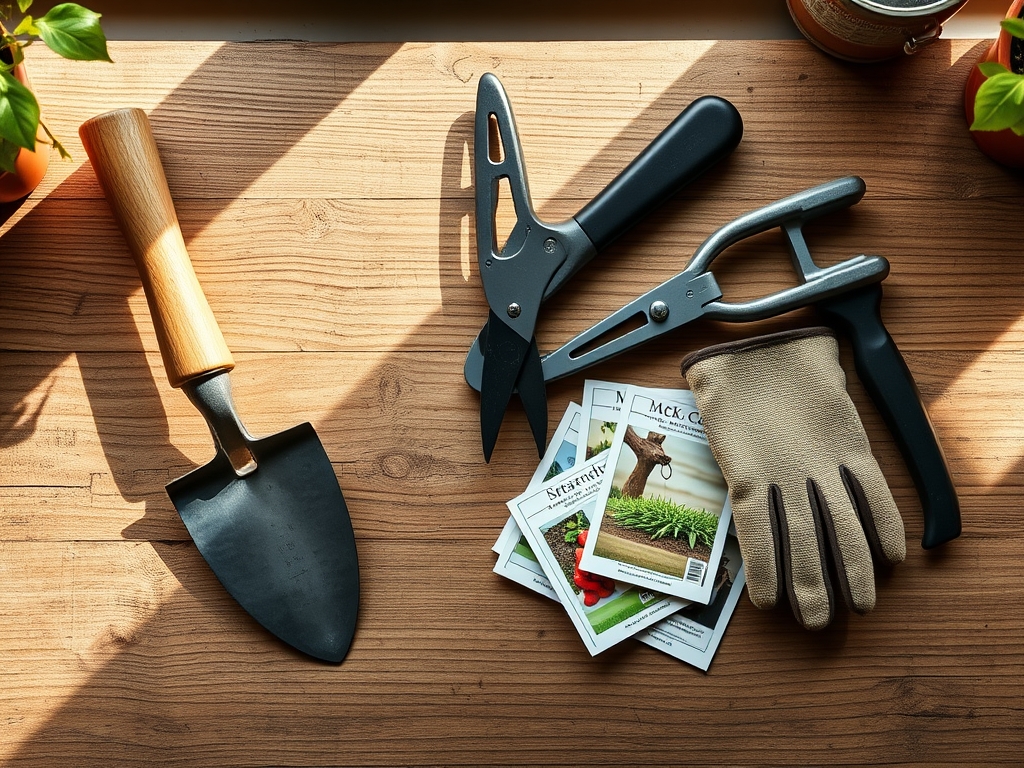
Begin with a 5-gallon bucket containing 1 part white vinegar to 3 parts water for initial rust removal. Steel wool in 00 gauge removes oxidation without scoring metal surfaces. Linseed oil preserves wooden handles and penetrates grain structure to restore moisture content. A 10-inch mill bastard file maintains the 20 to 30-degree bevel on spade and hoe edges. Diamond hone stones at 400 and 1000 grit refine pruner blades to surgical sharpness. For lubrication, use 3-in-1 oil on pivot points and white lithium grease on threaded connections. A 10% bleach solution (1 part household bleach to 9 parts water) disinfects blades between cuts when working with disease-prone species. Replacement parts include bolt sets in metric and standard, rivet assortments for handle repairs, and backup blades for bypass pruners rated to 3/4-inch diameter cuts. Calibration sand at 50-pound weight verifies broadcast spreader output rates. Soil pH test kits confirm whether tool storage areas maintain neutral conditions that slow corrosion.
Timing
Zone 5 gardeners complete tool preparation by March 15, aligning with the last expected frost date of May 10. Zone 6 schedules finish by March 1 for an April 20 frost-free window. Zone 7 practitioners target February 20 to meet an April 5 transition. Soil workability arrives when a handful of earth crumbles rather than forms a mud ball at 60% field capacity. Tool maintenance requires dry conditions. Humidity above 70% prevents proper oil curing on handles and promotes flash rust on freshly cleaned metal. Schedule maintenance during three consecutive days of indoor workshop conditions when outdoor relative humidity drops below 50%. This ensures linseed oil penetrates and polymerizes within 48 hours.
Phases

Inspection
Remove tools from storage. Check wooden handles for longitudinal cracks deeper than 1/8 inch, which compromise structural integrity under lateral load. Test rivets by applying 15 pounds of perpendicular force. Loose connections require immediate replacement. Examine metal surfaces for pitting deeper than 1/16 inch, which creates stress concentration points leading to catastrophic failure. Measure cutting edge thickness; spades worn below 1/8 inch require replacement rather than repeated sharpening.
Pro-Tip: Apply penetrating oil to all threaded connections 24 hours before disassembly. This reduces shearing force on corroded bolts by 40%.
Restoration
Submerge metal heads in vinegar solution for 20 minutes. Scrub with steel wool using circular motions. Rinse with clean water and dry immediately with compressed air or lint-free cloth. File cutting edges at consistent angles, maintaining original bevel geometry. Count strokes on each side to ensure symmetry. Sand wooden handles with 120-grit paper along the grain, removing splinters and raised fibers. Apply linseed oil in three thin coats at 12-hour intervals. Buff with 0000 steel wool between coats.
Pro-Tip: Heat linseed oil to 100°F before application. Warm oil penetrates 30% deeper into wood cellular structure than room-temperature applications.
Testing
Mount handles and secure fasteners to manufacturer torque specifications. Flex handles under body weight to verify joint integrity. Open and close pruner blades through 50 cycles, listening for grinding or catching. Spray cutting edges with water and observe for uniform sheeting, which indicates proper oil coating. Test broadcast spreaders with calibration sand over a tarp, measuring output against marked settings. A properly calibrated spreader applying 5-4-3 granular fertilizer at setting "4" distributes 3.2 pounds per 1000 square feet.
Pro-Tip: Mark calibrated spreader settings with permanent paint pen directly on the adjustment mechanism for instant field reference.
Troubleshooting
Symptom: Surface rust returning within 48 hours of cleaning.
Solution: Storage area exceeds 60% relative humidity. Install desiccant packs or relocate tools to climate-controlled space with hygrometer monitoring.
Symptom: Wooden handles develop white powdery residue.
Solution: Fungal colonization from moisture retention. Sand affected areas to bare wood, treat with 10% bleach solution, dry for 72 hours, then apply three coats boiled linseed oil.
Symptom: Pruner blades fail to cut cleanly, crushing stems.
Solution: Blade gap exceeds 0.5mm or edge angle dulled beyond 35 degrees. Adjust tension screw to manufacturer specification or resharpen to 20-degree bevel.
Symptom: Spreader output varies by 30% between test runs.
Solution: Agitator mechanism binding or hopper gate warped. Disassemble, clean accumulated debris, and true gate surface with flat file.
Maintenance
Store tools in vertical position with handles up to prevent moisture pooling at joints. Maintain storage temperature between 40°F and 70°F to minimize wood expansion cycles. Apply light machine oil to metal surfaces monthly during active season. Sharpen cutting tools after every 4 hours of use or when penetration force increases noticeably. Inspect pivot points every 20 operational cycles, adding one drop of 3-in-1 oil when movement resistance increases. Wash soil from tools within 30 minutes of use, before clay particles dry and bond to metal grain structure. Hang tools on pegboard with 4-inch spacing to allow air circulation and prevent tool-to-tool corrosion transfer.
FAQ
When should I replace rather than repair a tool?
Replace when handle cracks extend beyond 2 inches, metal shows pitting deeper than 3/32 inch, or repair costs exceed 60% of replacement price.
What sharpening angle works for all cutting tools?
No universal angle exists. Spades require 30 degrees for soil penetration, hoes need 20 degrees for weed scalping, and pruners demand 15 to 20 degrees for clean vascular cuts.
How often should I disinfect cutting tools?
Disinfect between plants when working with rose family species susceptible to fire blight, after every cut on diseased tissue, and at end of each work session as standard protocol.
Can I use motor oil instead of linseed oil on handles?
No. Petroleum products prevent moisture regulation in wood cells and create slip hazards. Use only boiled linseed oil or tung oil formulated for tool handles.
What's the minimum tool set for spring preparation?
A round-point shovel, garden rake, bypass pruner rated to 3/4 inch, hoe with 6-inch blade, and hand trowel cover 90% of establishment tasks in zones 5 through 8.