7 Steps to Prepare a New Hedge Row Site
Learning how to prepare a site for a new hedge row begins the moment you walk the ground in early spring, boot soles compressing wet soil to test structure. The scent of thawed earth rises as you mark the line where hawthorn, field maple, and blackthorn will stand for decades. Proper site preparation determines root penetration depth, nutrient availability, and the hedge's resistance to wind shear. Skipping foundational steps costs three years of growth.
Materials
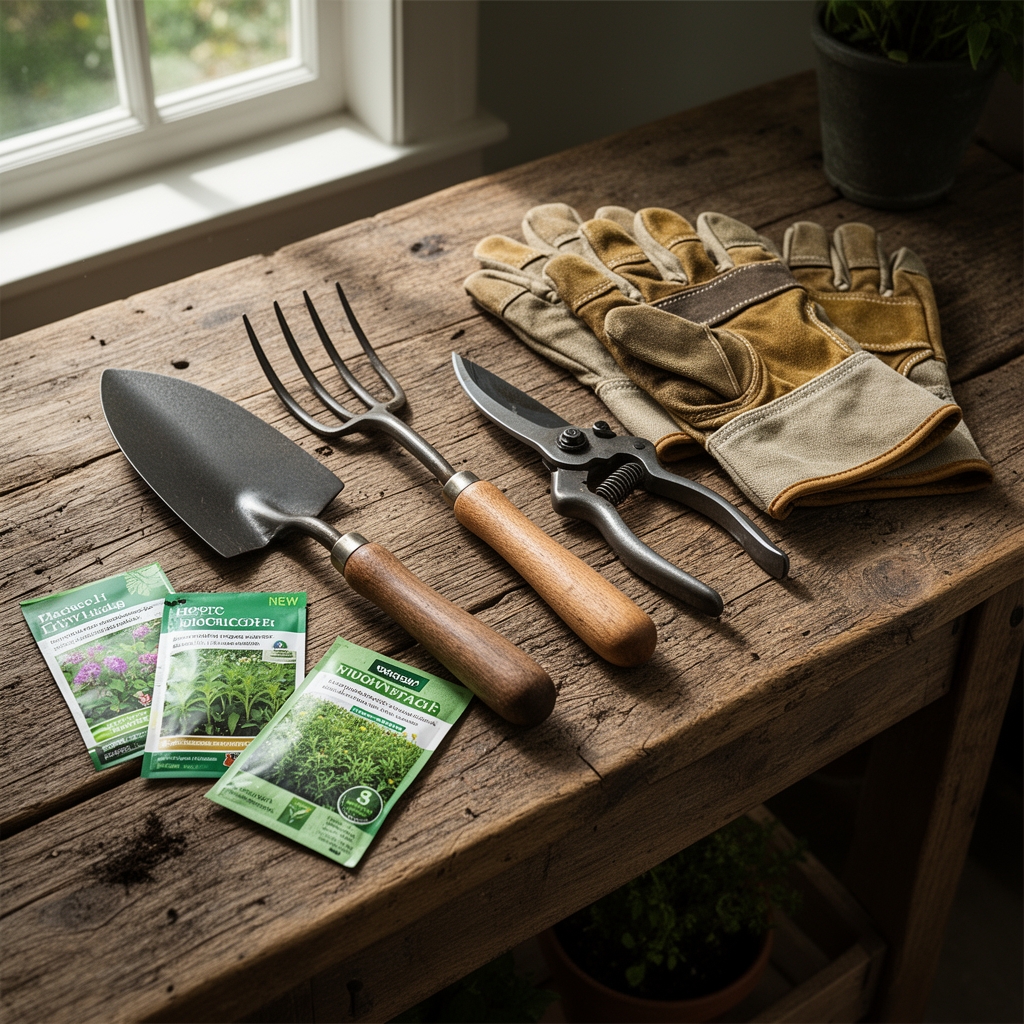
Assemble tools and amendments four weeks before planting. A spade with a 28 cm blade penetrates compacted subsoil layers. A soil test kit measuring pH, phosphorus, potassium, and cation exchange capacity provides baseline data. Target pH ranges from 6.0 to 7.0 for most native hedge species.
Organic matter amendments include well-rotted farmyard manure at 5 kg per linear meter and composted green waste at 3 kg per meter. Select a balanced organic fertilizer rated 4-4-4 or 5-5-5, applying 80 grams per planting station. Mycorrhizal fungi inoculant, specifically Glomus intraradices, colonizes root hairs within 14 days and extends phosphorus uptake by 40 percent. Mulch materials require a C:N ratio below 30:1. Shredded bark, wood chips aged six months, or straw work effectively at a 10 cm depth.
Mark the row with wooden stakes at 1.2 meter intervals. Twine stretched between stakes defines the planting line. A mattock breaks through root-dense turf. Landscape fabric, if used, must be UV-stabilized woven polypropylene with a minimum 100 g/m² density.
Timing
Hardiness Zones 5 through 8 permit bare-root planting from November through March, when deciduous species enter dormancy. Soil temperature below 10°C reduces transplant shock. In Zone 6, mid-November offers optimal conditions. Soil remains workable, and root growth continues until temperatures drop below 4°C.
Container-grown stock extends the planting window into April and May, but requires irrigation through the first summer. Zones 9 and 10 shift preparation to October and November, avoiding summer heat stress. Frost-free dates anchor spring timelines. Calculate last frost, then work backward six weeks to begin soil preparation.
Phases
Site preparation divides into sequential stages, each building upon the previous.
Clearing and Cultivation
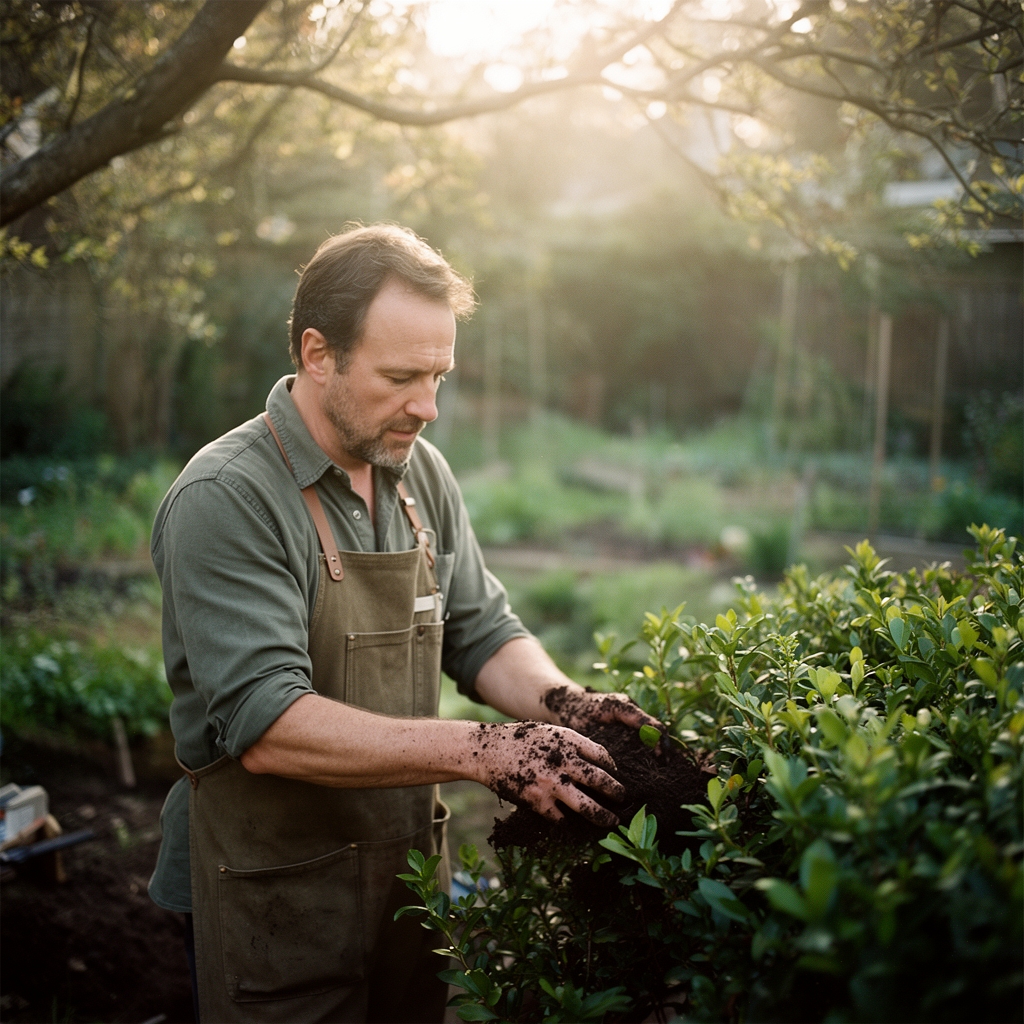
Remove existing vegetation in a 1 meter wide strip along the planting line. Cut perennial weeds at soil level, then excavate rhizomes of bindweed, couch grass, and dock to 30 cm depth. Rotovate the strip twice, passing perpendicular to the row direction. Allow two weeks between passes for weed regrowth, then remove new shoots.
Pro-Tip: Apply mycorrhizal inoculant directly into planting holes rather than broadcasting. Contact with roots at planting time accelerates colonization rates by 60 percent compared to soil incorporation.
Soil Amendment
Spread organic matter evenly across the cultivated strip. Incorporate to 25 cm depth using a garden fork. Clay soils require additional grit at 10 liters per square meter to improve drainage. Sandy soils benefit from biochar at 2 kg per meter to increase water retention and cation exchange capacity.
Test drainage by digging a 30 cm cube, filling it with water, and timing complete drainage. Proper drainage occurs within 12 to 24 hours. Slower drainage indicates compaction or clay pans requiring deeper cultivation or installation of land drains.
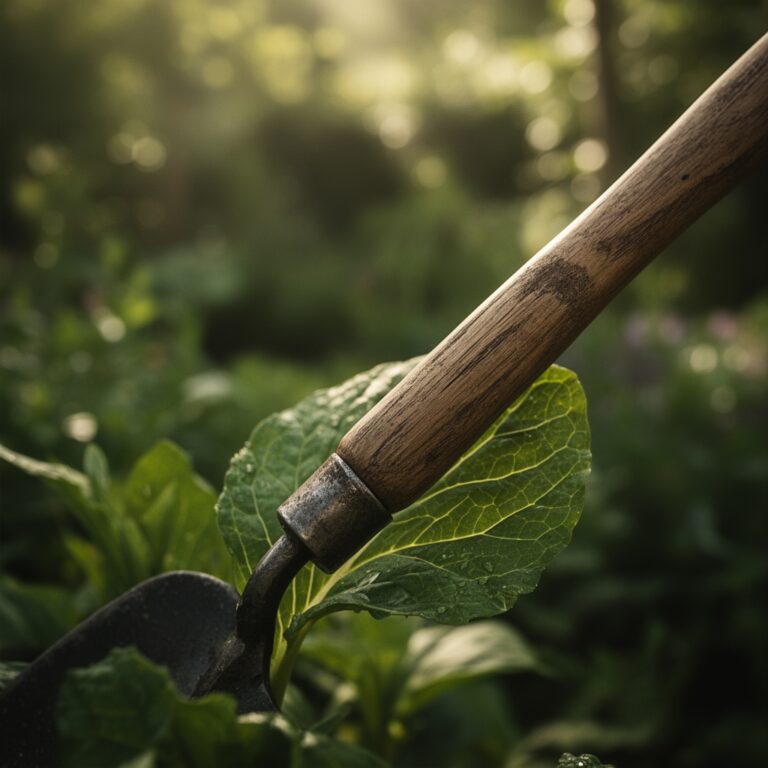
Pro-Tip: Create a shallow trench along the hedge line using a draw hoe. This 5 cm depression captures rainfall and directs it to root zones during establishment.
Planting Preparation
Dig individual holes 40 cm wide and 35 cm deep at marked intervals. Species spacing varies: hawthorn at 30 cm, field maple at 45 cm, blackthorn at 40 cm. Double-row hedges require 40 cm between rows with staggered plant placement.
Loosen hole sides with a fork to prevent root circling. Mix excavated soil with 100 grams of 4-4-4 fertilizer and one handful of mycorrhizal powder. Form a central mound in each hole to support the root crown at ground level.
Pro-Tip: Prune bare-root whips to 15 cm above ground immediately after planting. This hard cutback redirects auxin distribution, stimulating lateral bud break and dense basal growth within eight weeks.
Troubleshooting
Symptom: Yellowing leaves with green veins appearing in spring.
Solution: Iron chlorosis caused by high pH. Apply chelated iron at 5 grams per plant and incorporate sulfur at 150 grams per meter to lower pH gradually.
Symptom: Wilting despite adequate soil moisture.
Solution: Phytophthora root rot from poor drainage. Improve drainage, remove affected plants, and avoid replanting susceptible species in the same location.
Symptom: Notched leaf margins and slow growth.
Solution: Vine weevil larvae feeding on roots. Drench soil with Steinernema kraussei nematodes at 50 million per 100 square meters in April or September when soil reaches 12°C.
Symptom: White powdery coating on foliage.
Solution: Powdery mildew from poor air circulation. Prune to open structure and apply sulfur fungicide at 10 grams per liter every 14 days.
Symptom: Dieback of shoot tips.
Solution: Fireblight bacterial infection. Prune affected wood 30 cm below visible symptoms, sterilizing tools between cuts with 70% ethanol.
Maintenance
Water newly planted hedges with 10 liters per meter weekly during the first growing season if rainfall drops below 2.5 cm per week. Apply water slowly to penetrate 20 cm deep rather than surface sprinkling. Reduce frequency in year two to every 14 days during drought.
Mulch annually each March with a 5 cm layer of composted bark, keeping material 5 cm away from stems to prevent collar rot. Replenish 4-4-4 fertilizer each spring at 60 grams per meter until establishment completes in year three.
Weed within 50 cm of the hedge base throughout the establishment period. Competition from grasses reduces growth by 35 percent. Hand-pull or hoe shallowly to avoid root damage.
Prune in late winter of year two, cutting lateral growth back by one-third to encourage branching. Maintain this cycle annually until the hedge reaches desired height, then trim once in late summer to shape.
FAQ
How wide should the cleared strip be?
Clear a 1 meter strip minimum. This width eliminates root competition and allows access for maintenance during establishment.
Can I plant a hedge on a slope?
Yes. Dig planting holes with the uphill side deeper to create level root crowns. Install erosion control fabric or fascines if slope exceeds 15 degrees.
When does a hedge become established?
Full establishment requires three growing seasons. Root systems match above-ground spread, and plants survive summer drought without supplemental irrigation.
Should I use bare-root or container plants?
Bare-root whips cost less and establish faster when planted during dormancy. Container stock suits extended planting windows but requires more water.
How do I prepare site on heavy clay?
Double-dig the planting strip to 45 cm depth. Incorporate 15 liters of horticultural grit and 5 kg of organic matter per meter to break up clay structure and improve oxygen penetration.