9 Pro Tips to Use an Indoor Kitchen Compost Bin
Managing kitchen waste transforms from a daily chore into an elegant soil-building system when you understand how to use an indoor compost bin for scraps. The scent of decomposing fruit peels signals microbial activity. The warmth radiating from a well-tended bin indicates thermophilic bacteria breaking down cellulose. How to use an indoor compost bin for scraps begins with recognizing that your kitchen generates approximately 1.3 pounds of organic material daily, material rich in nitrogen, carbon, and trace minerals that support mycorrhizal fungi networks in your garden beds.
Materials
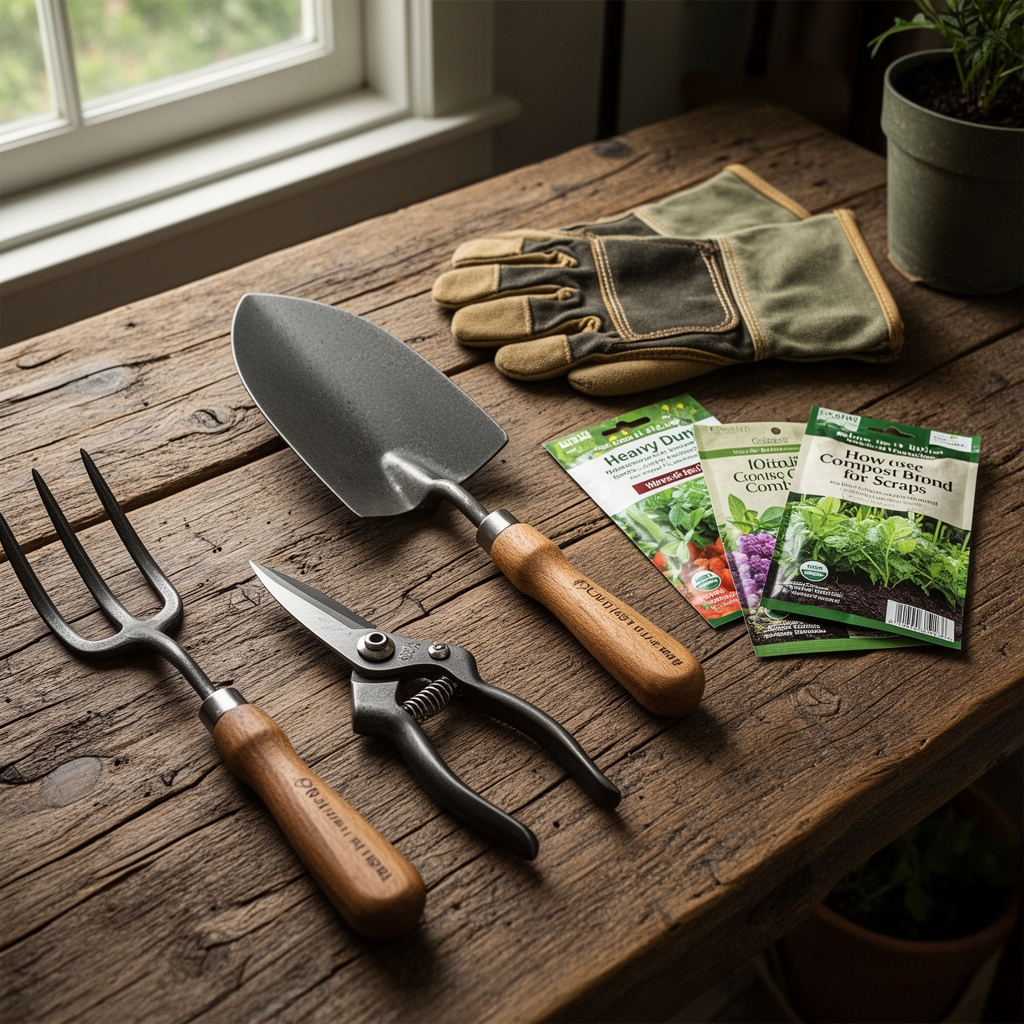
Kitchen scrap composition determines your finished compost's nutrient profile. Fruit and vegetable peels provide a 2-1-3 NPK ratio when fully decomposed. Coffee grounds contribute 2.0-0.3-0.3 with a pH of 6.5, making them moderately acidic. Crushed eggshells offer pure calcium carbonate, raising pH toward 7.5 while preventing blossom-end rot in downstream crops.
Green materials include lettuce cores, carrot tops, and spent herbs. These deliver high nitrogen content, approximately 3-0.5-2 when measured as dry weight. Brown materials such as shredded newspaper, cardboard egg cartons, and paper towel cores balance the carbon-to-nitrogen ratio at 30:1, the threshold where aerobic decomposition proceeds without anaerobic odors.
Avoid meat scraps, dairy products, and oily foods. These materials attract pests and slow decomposition through lipid coating of organic particles. Citrus peels in moderation add limonene, a natural antimicrobial, but excessive quantities lower pH below 6.0 and inhibit earthworm activity.
Select a bin with 5-gallon minimum capacity. Smaller volumes fail to generate the 130°F to 150°F temperatures required for pathogen elimination. Stainless steel or food-grade HDPE plastic resists corrosion from organic acids produced during breakdown.
Timing
Indoor composting operates year-round, independent of USDA Hardiness Zones. Ambient kitchen temperatures between 65°F and 75°F support mesophilic bacteria populations. Winter heating systems maintain consistent thermal conditions. Summer air conditioning prevents temperatures from exceeding 80°F, the point where beneficial bacteria enter dormancy.
Begin your bin during early spring, 8 to 10 weeks before your last frost date. This timing produces finished compost for garden bed amendment when transplanting tomatoes, peppers, and brassicas. The cation exchange capacity of mature compost ranges from 60 to 90 meq/100g, triple that of average topsoil.
Harvest cycles complete in 6 to 8 weeks with daily additions and proper carbon layering. Bins receiving scraps sporadically require 10 to 12 weeks. Temperature, moisture content, and particle size govern decomposition velocity more than calendar scheduling.
Phases
Establishment (Days 1-14)
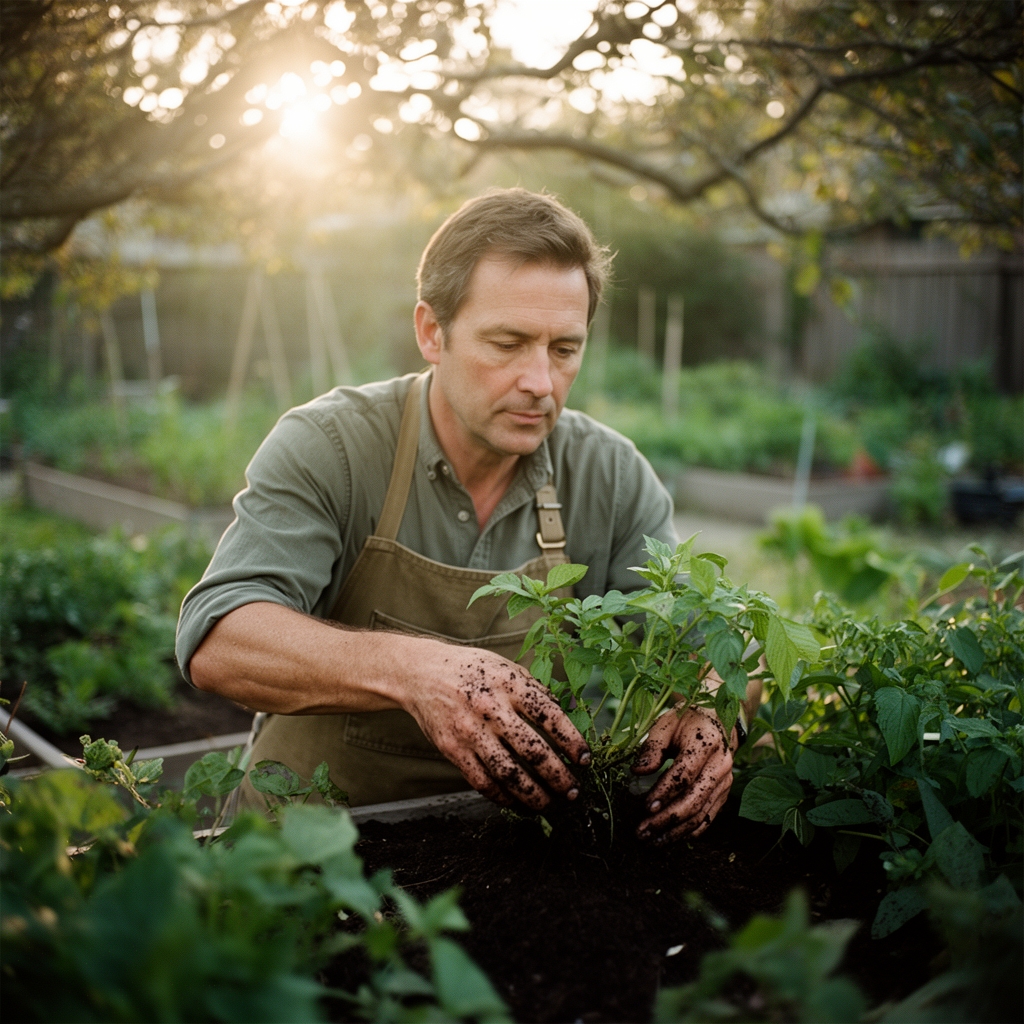
Layer 2 inches of shredded newspaper at the bin bottom. Add your first pound of kitchen scraps, chopped into 1-inch pieces. Surface area dictates microbial colonization speed. Cover scraps with 1 inch of brown material. Moisture content should reach 50 to 60 percent, the consistency of a wrung-out sponge.
Pro-Tip: Inoculate your first batch with 2 cups of finished compost or garden soil. This introduces decomposer species including Bacillus subtilis and Pseudomonas fluorescens, reducing establishment time by 40 percent.
Active Decomposition (Days 15-42)
Add scraps daily in 0.5-pound increments. Turn material every 3 days using a cultivator hand tool, mixing outer layers toward the center where temperatures peak. Monitor moisture weekly. If material clumps when squeezed, aeration has declined. Add 1 cup of shredded cardboard per pound of wet scraps.
Thermophilic phase begins around day 18 when internal temperature exceeds 100°F. Actinomycetes colonize at this stage, producing the earthy geosmin aroma associated with healthy soil. This phase lasts 14 to 21 days before temperatures decline.
Pro-Tip: Bury citrus peels 4 inches deep within the pile. Surface placement concentrates limonene, creating zones where decomposition stalls. Central positioning dilutes these compounds through the matrix.
Curing (Days 43-56)
Cease new additions when bin reaches 80 percent capacity. Turn material every 5 days. Temperature drops to ambient levels. Particle size reduces to less than 0.25 inches. Color shifts from varied browns to uniform dark chocolate.
Pro-Tip: Screen finished compost through 0.5-inch hardware cloth. Oversized particles return to a new batch, pre-colonized with decomposer organisms. This technique reduces subsequent cycle time by 25 percent.
Troubleshooting
Symptom: Ammonia odor, wet slurry consistency
Solution: Carbon-to-nitrogen ratio has dropped below 25:1. Add 3 cups of shredded newspaper per gallon of bin volume. Turn material immediately. Ammonia indicates nitrogen volatilization, a loss of plant-available nutrients.
Symptom: Fruit flies hovering near lid
Solution: Drosophila melanogaster populations explode when scraps remain exposed. Bury all new additions under 2 inches of brown material. Install a fine mesh screen over ventilation holes. Reduce moisture content to 50 percent.
Symptom: White fungal threads throughout material
Solution: This indicates healthy decomposition, not contamination. Fungal hyphae extend throughout organic matter, producing enzymes that break down cellulose and lignin. These threads belong to saprophytic species essential for humus formation.
Symptom: Material remains unchanged after 3 weeks
Solution: Temperature below 60°F stalls microbial activity. Relocate bin away from exterior walls. Increase batch size to 3 gallons minimum. Add 0.25 cups of alfalfa meal per gallon to stimulate thermogenesis through protein decomposition.
Maintenance
Water compost when moisture content drops below 40 percent, approximately every 10 days in heated homes. Add 1 cup of water per 2 gallons of material. Overwatering creates anaerobic conditions where Clostridium species produce butyric acid, the rancid butter smell.
Turn material 15 complete inversions per session, bringing bottom layers to the top. This redistributes oxygen, moisture, and bacterial populations. Maintain oxygen concentration above 5 percent throughout the matrix.
Clean bin walls monthly with a solution of 1 part white vinegar to 4 parts water. Organic acids accumulate on surfaces, lowering local pH and creating inhospitable zones for beneficial bacteria.
Add rock dust or greensand quarterly at 0.5 cups per 5 gallons. These amendments provide trace minerals including iron, manganese, and boron, elements absent from typical kitchen scraps but essential for broad-spectrum plant nutrition.
FAQ
What scraps decompose fastest?
Leafy greens, soft fruits, and cooked vegetables break down in 7 to 14 days. Their high moisture content and simple carbohydrate structure make them readily digestible for bacteria. Avoid fibrous materials like corn husks, which require 4 to 6 weeks.
Can I compost paper with ink?
Soy-based and vegetable inks pose no contamination risk. Avoid glossy magazine paper containing kaolin clay and titanium dioxide, which persist as inert particles. Newspaper and cardboard decompose completely, contributing carbon without toxicity concerns.
How do I know when compost is finished?
Mature compost exhibits three characteristics: uniform dark brown color, earthy odor without ammonia or sulfur notes, and temperature within 10°F of ambient air. Squeeze a handful. It should crumble rather than clump. pH stabilizes between 6.8 and 7.2.
Does indoor composting smell?
Properly managed bins produce minimal odor, comparable to forest floor humus. Smell indicates imbalance. Ammonia signals excess nitrogen. Sulfur suggests anaerobic zones. Sweet or alcoholic odors reveal fermentation from overwatering. All correct through material adjustment.
What bin size do I need for a family of four?
A household of four generates 5 to 6 pounds of compostable scraps weekly. Select an 8 to 10-gallon bin to accommodate 8 weeks of material with adequate airspace for turning. Smaller bins require more frequent harvesting but cure faster due to concentrated microbial activity.