7 Steps to Prepare an Indoor Vertical Garden Wall
Living walls transform vertical space into productive growing zones, but most indoor installations fail within eight weeks due to substrate collapse or root anoxia. Learning how to prepare an indoor vertical garden wall correctly requires understanding structural load limits, irrigation distribution, and root-zone aeration before selecting a single plant. This guide covers material selection through long-term maintenance using principles from both hydroponics and container science.
Materials
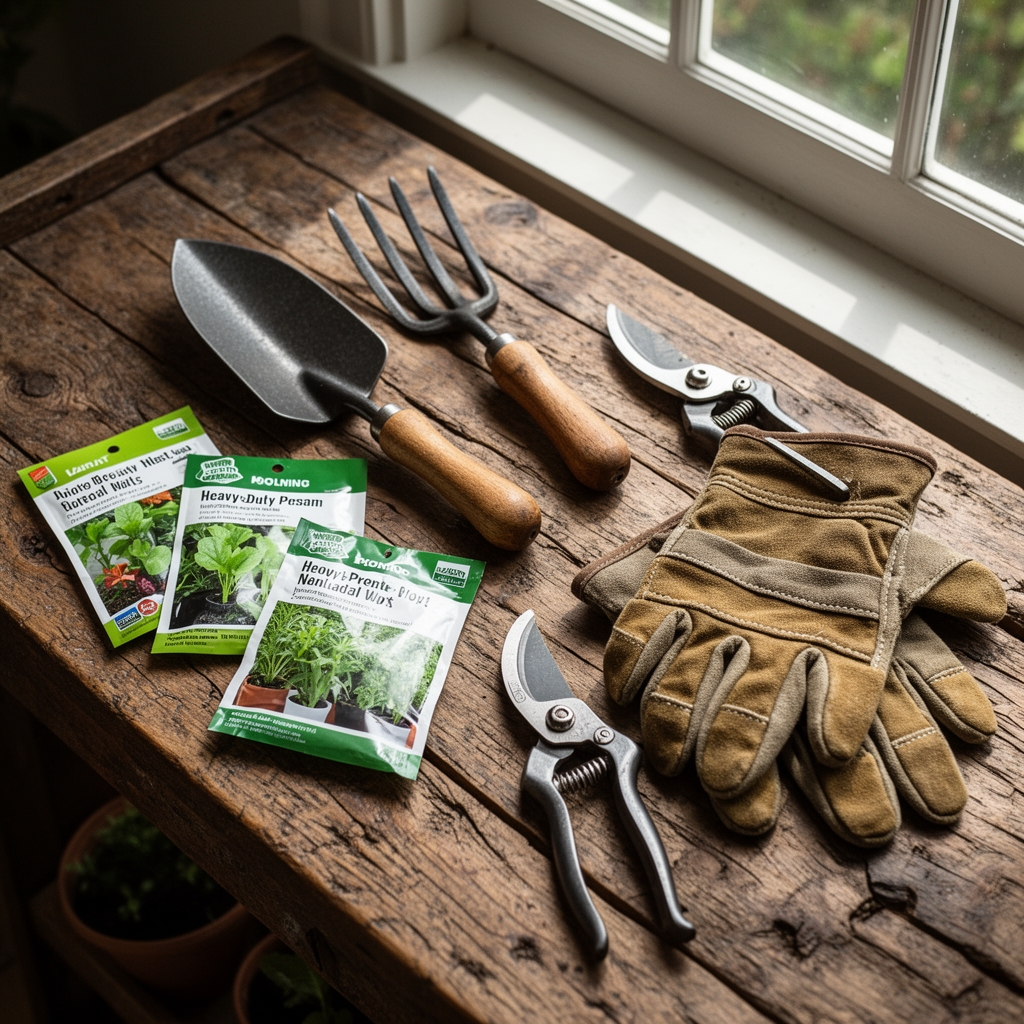
The structural frame demands corrosion-resistant aluminum or powder-coated steel capable of bearing 8-12 pounds per square foot when saturated. Choose modular pocket systems, felt-layer systems, or rigid tray assemblies based on your wall's load capacity and moisture tolerance.
For substrate, avoid field soil entirely. Mix 40% coco coir (pH 5.5-6.5), 30% perlite (particle size 3-6mm), 20% aged bark fines, and 10% worm castings. This blend provides cation exchange capacity of 40-60 meq/100g while maintaining 35-40% air-filled porosity when saturated. Incorporate mycorrhizal fungi inoculant (Glomus intraradices) at 0.1 oz per cubic foot during mixing.
Irrigation requires a low-pressure drip system with pressure-compensating emitters rated at 0.5 GPH. Install a timer with minimum 30-second intervals and a solenoid valve rated for 12-18 VDC. Add a venturi injector if you plan fertigation.
Base fertilizer should test as 4-4-4 or 5-3-4 organic meal (feather meal, bone meal, kelp). Indoor walls in low-light conditions require reduced nitrogen to prevent etiolation. Maintain substrate pH between 6.0 and 6.8 for broadleaf herbs and ornamentals.
Select plants with fibrous root systems and low transpiration rates. Pothos (Epipremnum aureum), spider plant (Chlorophytum comosum), and peperomia species tolerate the variable moisture gradients inherent to vertical systems. Avoid tap-rooted plants and species requiring vernalization.
Timing
Indoor vertical gardens bypass hardiness zone restrictions, but seasonal light intensity still affects establishment. Install systems between March 15 and May 1 in northern latitudes (Zones 3-6) to capitalize on increasing photoperiod. Southern growers (Zones 7-10) benefit from fall installation between September 20 and October 30, avoiding summer cooling costs.
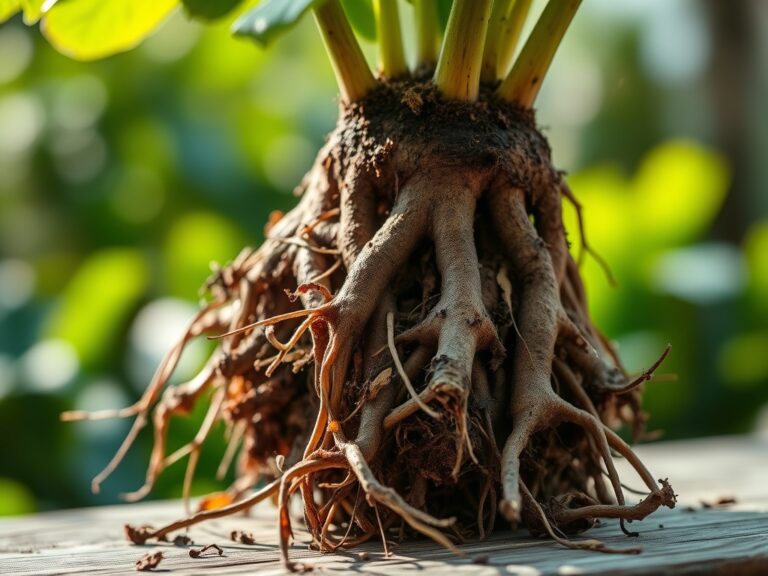
Plan for 6-8 weeks of establishment before expecting full coverage. Root systems require 40-60 days to colonize substrate fully and stabilize moisture distribution across the vertical plane.
Phases

Sowing Phase: Pre-grow plants in 2-inch or 3-inch nursery pots for 3-4 weeks before wall installation. This accelerates establishment and allows culling of weak specimens. Maintain nursery stock at 68-72°F under 200-400 foot-candles. Water when substrate reaches 40% moisture by weight.
Pro-Tip: Apply dilute kelp extract (1:500) at days 10 and 20 to stimulate lateral root formation and increase auxin distribution. This produces compact root balls that resist transplant shock.
Transplanting Phase: Hydrate wall substrate to field capacity 24 hours before transplanting. Insert root balls at a 15-degree upward angle to counteract gravity-induced settling. Firm substrate around roots without compacting, maintaining original planting depth. Space plants 6-8 inches on center for 12-week coverage or 10-12 inches for 20-week coverage.
Pro-Tip: Trim 20-30% of foliage at transplant to balance transpiration with compromised root uptake. Cut just above nodes at 45-degree angles to promote auxin movement toward axillary buds.
Establishing Phase: Run irrigation twice daily (morning and early afternoon) for 3 minutes per cycle during weeks 1-2. Reduce to once daily during weeks 3-4 as roots colonize the substrate. Monitor substrate moisture 6 inches above bottom edge. This zone indicates system-wide hydration status.
Pro-Tip: Apply beneficial bacteria (Bacillus subtilis, Pseudomonas fluorescens) as a substrate drench at week 2. Rate of 1 oz per gallon prevents pythium and promotes nutrient cycling in the low-oxygen zones common to saturated vertical substrates.
Troubleshooting
Symptom: Lower pockets show yellowing (chlorosis) while upper pockets remain green.
Solution: Irrigate from bottom up or install additional emitter lines every 18 inches vertically. Gravity causes nutrient stratification in vertical profiles.
Symptom: White crystalline deposits on felt or substrate surface.
Solution: Reduce fertilizer concentration by 40%. Excess salts accumulate due to high evaporation rates. Leach system with plain water (pH 6.5) for 10 minutes monthly.
Symptom: Wilting in afternoon despite moist substrate.
Solution: Increase air circulation to 60-100 CFM and reduce temperature below 76°F. High vapor pressure deficit causes transpiration rates exceeding root uptake capacity.
Symptom: Root tips brown or black, stunted growth.
Solution: Root anoxia from overwatering. Reduce irrigation frequency by 30% and verify drainage ports remain unobstructed. Mix in additional perlite (10% by volume) during next substrate refresh.
Symptom: Fungus gnats (Bradysia species) around base.
Solution: Apply Bacillus thuringiensis israelensis (Bti) as substrate drench at 0.5 oz per gallon. Allow top 1 inch of substrate to dry between waterings.
Maintenance
Irrigate established walls once daily for 2-4 minutes, delivering 0.25-0.5 inches of water across the vertical surface. Measure output by placing collection trays at base for one irrigation cycle.
Fertilize every 14 days with liquid fertilizer (3-1-2 ratio) at 150 ppm nitrogen through the venturi injector. Indoor walls require 60% less nitrogen than outdoor installations due to reduced photosynthetic rates.
Prune at 45-degree angles every 6 weeks to maintain density and prevent apical dominance. Remove no more than 25% of foliage per session.
Replace substrate annually or when water drainage slows beyond 10 minutes for full saturation. Substrate compaction and organic matter decomposition reduce porosity over time.
Rotate plant positions every 6 months if light distribution varies by more than 50 foot-candles horizontally. Shade-adapted species move to lower-light zones.
FAQ
How often should I water an indoor vertical garden wall?
Once daily for 2-4 minutes in established systems, delivering 0.25-0.5 inches of water. Increase to twice daily during establishment or if ambient humidity drops below 40%.
What is the best substrate for vertical walls?
A mix of 40% coco coir, 30% perlite, 20% aged bark, and 10% worm castings maintains adequate drainage while providing cation exchange capacity of 40-60 meq/100g.
Can I grow vegetables on an indoor vertical wall?
Leafy greens (lettuce, spinach, arugula) succeed under 400+ foot-candles with 5-3-4 fertilizer. Fruiting crops require 800+ foot-candles and struggle with vertical orientation affecting auxin distribution.
How do I prevent mold on my living wall?
Maintain air circulation at 60-100 CFM and relative humidity between 45-60%. Apply preventive Bacillus subtilis drench monthly. Ensure drainage prevents standing water.
What lighting do vertical gardens need indoors?
Ornamental foliage requires 200-400 foot-candles (2150-4300 lux). Herbs need 400-600 foot-candles. Provide 12-14 hour photoperiods using full-spectrum LEDs rated at 3000-5000K color temperature.