8 Year-Round Steps to Prepare a Subtropical Garden
Crushing a handful of moist, friable loam reveals the distinct, earthy scent of geosmin produced by Actinomycetes bacteria. This olfactory signal confirms the presence of active microbial life necessary for nutrient cycling. In the high humidity of a subtropical environment, understanding how to prepare a garden for a subtropical vegetable garden requires more than surface level aesthetics; it demands a mastery of soil chemistry and moisture management. Success is measured by leaf turgor pressure and the absence of physiological wilting during the peak solar midday.
The subtropical climate presents a unique challenge where the traditional four seasons are replaced by a wet summer and a dry winter. This cycle dictates the rate of organic matter decomposition and the leaching of essential minerals. To establish a productive plot, one must build a soil structure that facilitates rapid drainage while maintaining a high Cation Exchange Capacity (CEC). This allows the root zone to hold onto positively charged ions like potassium and magnesium despite heavy seasonal rainfall. A garden prepared with scientific precision ensures that plants maintain metabolic efficiency even when temperatures exceed 85 degrees Fahrenheit.
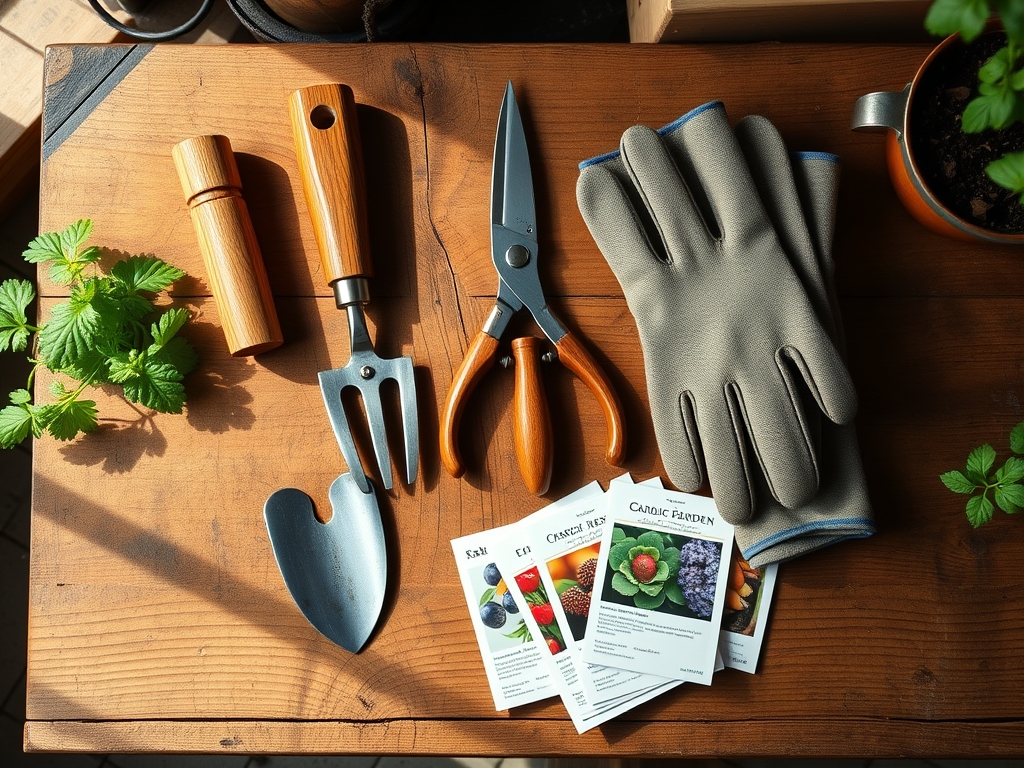
Materials:
Subtropical soils often lean toward acidity due to heavy rainfall leaching calcium and magnesium. Aim for a pH range of 6.2 to 6.8 to ensure maximum bioavailability of micronutrients. The substrate must be a friable loam consisting of 40 percent sand, 40 percent silt, and 20 percent clay, amended with at least 5 percent organic matter.
For the initial soil build, utilize a balanced NPK ratio of 10-10-10 for general establishment. As the garden transitions to specific crops, adjust the ratios. Leafy greens require a higher nitrogen concentration, such as 8-4-4, to drive vegetative growth. Fruiting crops like tomatoes or peppers require a shift toward phosphorus and potassium, specifically a 5-10-10 ratio, to support flower initiation and fruit set. Incorporate dolomitic lime at a rate of 5 pounds per 100 square feet if the pH falls below 5.8; this provides the necessary magnesium to prevent interveinal chlorosis.
Timing:
Subtropical gardening thrives in USDA Hardiness Zones 9 through 11. Unlike temperate zones, the "Biological Clock" here is driven by the photoperiod and the onset of the monsoon season. The primary planting window for cool-season crops (brassicas, carrots, and lettuce) begins in October and runs through February, when the risk of frost is minimal but the heat stress is low.
Warm-season crops (okra, sweet potatoes, and eggplant) are transitioned into the ground from March to August. Understanding the transition from vegetative to reproductive stages is critical. For example, many heat-sensitive plants will undergo senescence or drop their blossoms if the nighttime temperatures remain consistently above 75 degrees Fahrenheit. Monitor the local dew point; when it exceeds 70 degrees, fungal pressure increases exponentially, requiring a shift in management tactics.
Phases:

Sowing and Seed Starting
Direct sow large-seeded crops like beans or squash at a depth of twice the seed's diameter. For smaller seeds, use a sterile seed-starting mix with a fine texture to ensure maximum seed-to-soil contact. Maintain a consistent soil temperature of 70 to 80 degrees Fahrenheit for optimal germination rates.
Pro-Tip: Utilize bottom heat to trigger faster germination. The Biological Why involves the activation of gibberellic acid within the seed embryo, which signals the breakdown of stored starches into energy, overcoming internal dormancy mechanisms.
Transplanting
When seedlings develop their first set of true leaves, they are ready for the field. Dig a hole twice the width of the root ball. Ensure the rhizosphere is not compacted during the process. Water immediately with a kelp-based solution to reduce transplant shock.
Pro-Tip: Always transplant during the late afternoon or on an overcast day. The Biological Why is to minimize transpiration rates while the root system is temporarily unable to maintain full turgor, preventing cellular collapse during the critical establishment window.
Establishing and Hardening
During the first 14 days, the focus is on root expansion rather than top growth. Avoid high-nitrogen fertilizers during this phase to prevent "leggy" growth that cannot be supported by the young root architecture.
Pro-Tip: Use mechanical stimulation, such as a light breeze from a fan or gently brushing the tops of plants. The Biological Why is thigmomorphogenesis; the plant produces ethylene in response to physical touch, which results in shorter, thicker stems and a more robust vascular system.
The Clinic:
Physiological disorders in the subtropics often mimic infectious diseases but are rooted in environmental stress or nutrient imbalances.
- Symptom: Blossom End Rot (dark, sunken spots on the bottom of fruit).
- Solution: This is a calcium deficiency often caused by erratic watering. Maintain consistent soil moisture to ensure calcium ions can be transported via the xylem.
- Symptom: Nitrogen Chlorosis (uniform yellowing of older, lower leaves).
- Solution: Apply a high-nitrogen liquid drench (e.g., fish emulsion) for rapid uptake. Nitrogen is a mobile nutrient; the plant scavenges it from old growth to support new meristematic activity.
- Symptom: Leaf Roll (upward curling of leaves without discoloration).
- Solution: This is a defensive response to excessive transpiration. Provide 30 percent shade cloth during peak UV index hours to reduce leaf surface temperature.
- Symptom: Interveinal Chlorosis (yellowing between green leaf veins).
- Solution: This indicates a magnesium or iron deficiency. Test soil pH; if it is above 7.0, iron becomes locked. Apply chelated iron or Epsom salts (magnesium sulfate) to correct the imbalance.
Maintenance:
Precision irrigation is the backbone of subtropical success. Deliver 1.5 inches of water per week directly to the drip line. Avoid overhead irrigation, which increases leaf wetness duration and invites fungal pathogens like Cercospora. Use a soil moisture meter daily to check the top 4 inches of the profile.
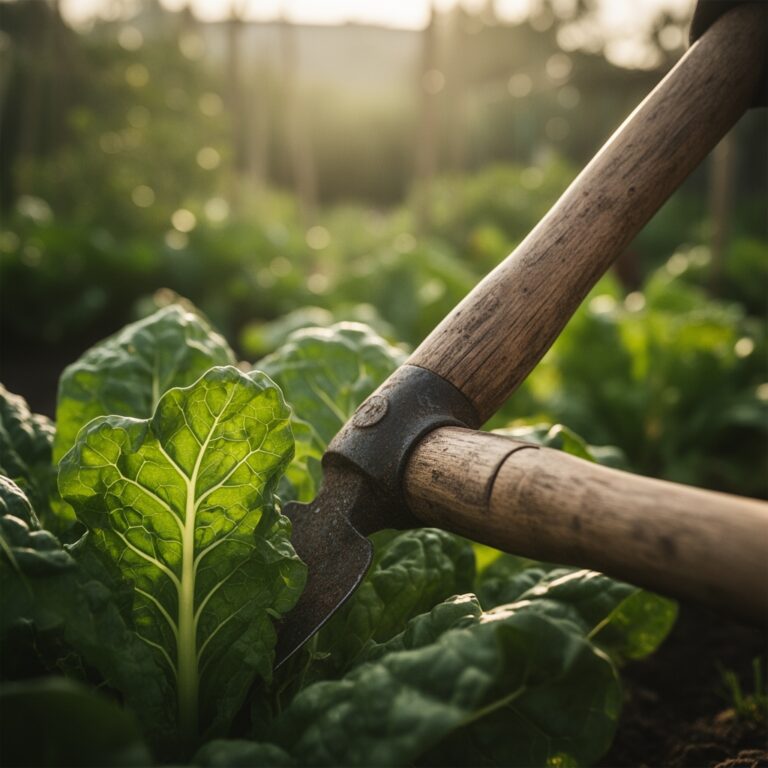
Employ a hori-hori knife for deep weeding to ensure the entire taproot of invasive species is removed without disrupting the root zone of your vegetables. Use bypass pruners for clean cuts on suckers or diseased foliage; anvil pruners can crush vascular tissue and create entry points for bacteria. Sanitize tools with a 10 percent bleach solution between plants to prevent the mechanical transmission of pathogens.
The Yield:
Harvesting in the subtropics must be timed to avoid the heat of the day. Collect produce at daybreak when the plant is at maximum turgor. For leafy greens, use a sharp blade to harvest, then immediately submerge the produce in an ice-water bath for 20 minutes. This "hydro-cooling" process removes field heat and slows the rate of respiration.
For fruiting crops like peppers or tomatoes, harvest when they reach "breaker stage" (about 50 percent color) to avoid bird damage and fruit cracking from sudden rain events. Store these at 55 to 60 degrees Fahrenheit; refrigeration below 40 degrees can cause chilling injury and degrade the flavor compounds and cellular structure.
FAQ:
How often should I test my soil in the subtropics?
Perform a professional soil test every six months. The high rainfall and rapid decomposition rates in subtropical zones can shift pH levels and deplete primary macronutrients much faster than in temperate climates.
What is the best mulch for a subtropical vegetable garden?
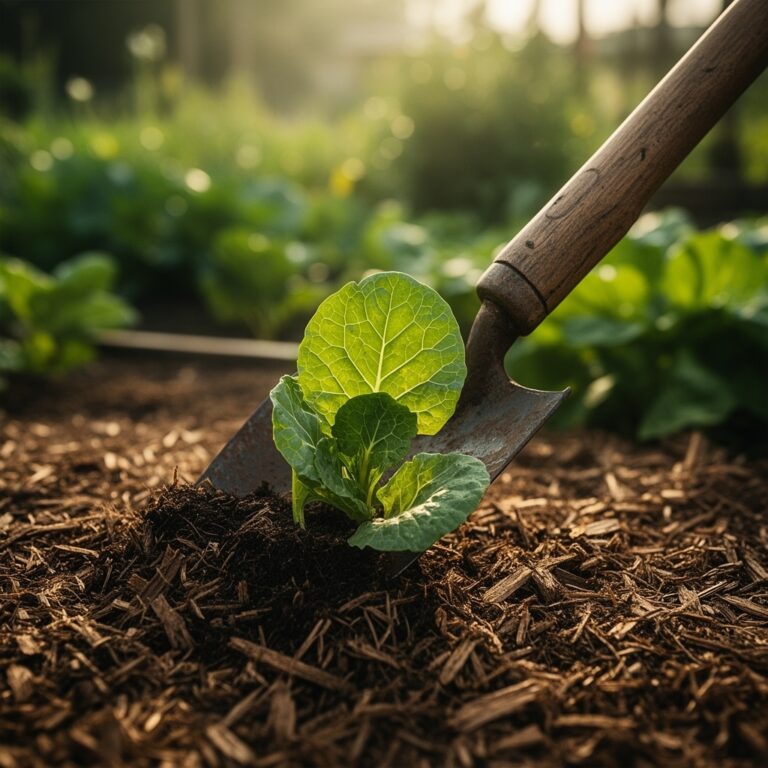
Use clean wheat straw or pine bark fines. These materials provide a thermal barrier to keep root zones cool while breaking down into organic matter that improves the soil's Cation Exchange Capacity over time.
Why are my tomato plants growing but not setting fruit?
This is likely due to high nighttime temperatures. When temperatures exceed 75 degrees Fahrenheit at night, pollen becomes sterile, preventing fertilization. Switch to heat-tolerant cultivars specifically bred for tropical latitudes.
How do I stop soil erosion during heavy tropical rains?
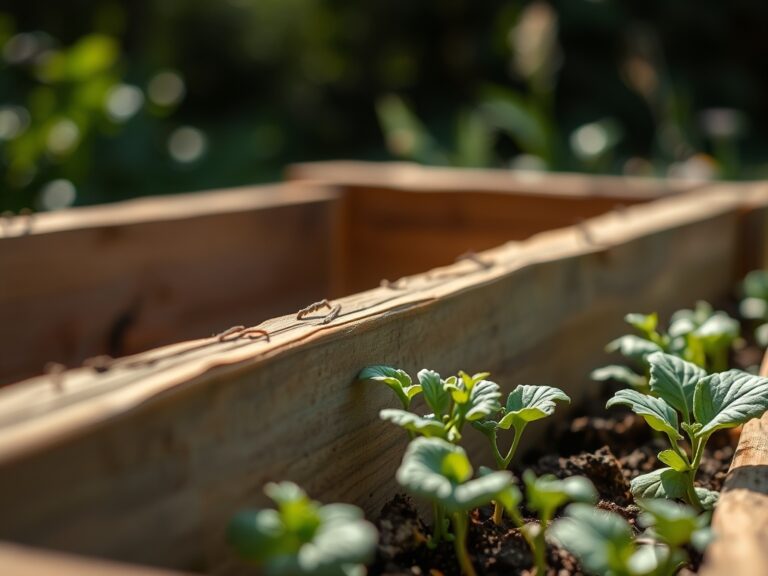
Implement raised beds with solid borders or use cover crops like sunn hemp. These methods anchor the soil and prevent the physical displacement of the topsoil layer during high-intensity precipitation events.