6 Humidity Steps to Prepare a Tropical Edible Garden
The scent of petrichor signals the activation of dormant microbes while the turgor pressure in a healthy leaf indicates a perfect hydraulic balance between root uptake and transpiration. Mastering the environmental variables of a high-humidity environment requires more than a casual interest; it demands a rigorous understanding of soil chemistry and atmospheric saturation. Learning how to prepare a garden for a tropical edible garden starts with stabilizing the rhizosphere against the leaching effects of heavy rainfall. You must manage the Cation Exchange Capacity (CEC) of your soil to ensure that nutrients remain available to the plant rather than washing away during monsoon conditions. Tropical species like Colocasia esculenta or Musa require a substrate that remains oxygenated even when saturated. This means your preparation must focus on structural integrity and the metabolic demands of fast-growing biomass. Without a plan for drainage and nutrient cycling, the high heat and moisture will lead to anaerobic soil conditions and root senescence before your first harvest.
Materials:
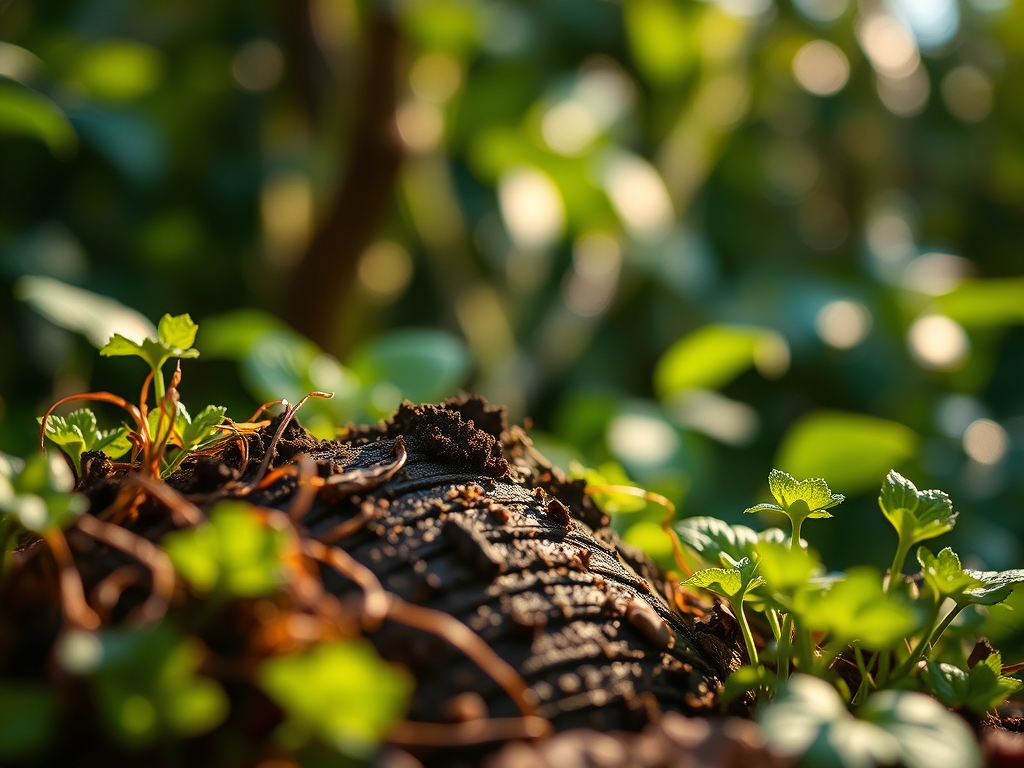
The foundation of a tropical edible garden is a friable loam with a high percentage of organic matter to buffer against rapid pH fluctuations. Aim for a soil pH between 5.8 and 6.5 to maximize nutrient bioavailability. In high-humidity zones, nitrogen (N) cycles rapidly; therefore, your initial soil amendment should follow a 10-5-5 NPK ratio to support early vegetative growth.
You will need high-quality compost with a Carbon-to-Nitrogen (C:N) ratio of 25:1 to provide long-term fuel for soil microbes. Incorporate perlite or coarse river sand at a 15 percent volume ratio to increase macropore space. This ensures that even during a three-inch rainfall event, oxygen can still reach the root zone. For heavy feeders like ginger or turmeric, supplement with bone meal to provide a slow-release phosphorus source with an NPK of 3-15-0.
Timing:
Successful tropical gardening is dictated by the Hardiness Zones 9 through 12. In these regions, the primary constraint is not frost but the transition between the wet and dry seasons. The "Biological Clock" of tropical edibles is often triggered by the photoperiod (day length) and moisture availability.
Planting should occur just before the onset of the rainy season when soil temperatures consistently reside between 75 and 85 degrees Fahrenheit. This temperature range optimizes the enzymatic activity required for seed germination and root initiation. Transitioning from the vegetative to the reproductive stage requires a shift in nutrient focus; as the plant matures, you must reduce nitrogen and increase potassium to support fruit development and cellular wall strength.
Phases:
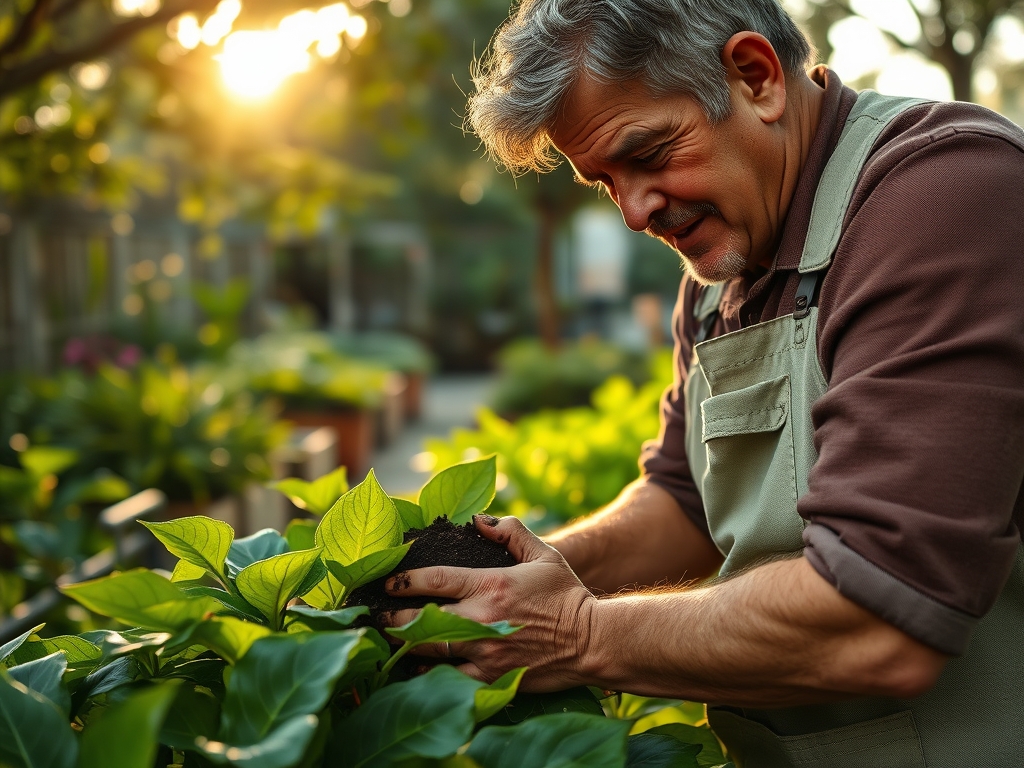
Sowing
Direct sow seeds at a depth three times their diameter. Maintain a constant soil moisture level of 60 percent field capacity. For larger seeds like beans or squash, pre-soak for 12 hours to break physical dormancy and accelerate the imbibition process.
Pro-Tip: Utilize the principle of Mycorrhizal Symbiosis. Inoculating seeds with beneficial fungi increases the surface area of the root system by up to 100 times, allowing the plant to scavenge phosphorus more efficiently in acidic tropical soils.
Transplanting
When moving seedlings from a controlled environment to the garden, ensure they have at least two sets of true leaves. Dig a hole twice the width of the root ball to reduce mechanical resistance for emerging lateral roots.
Pro-Tip: Avoid Auxin Suppression by keeping the central leader of the plant upright during the move. If the apical meristem is damaged or tilted significantly, the plant redirects energy to lateral buds, delaying the primary harvest and altering the plant's structural architecture.
Establishing
During the first 21 days, the plant focuses on establishing its root architecture. Provide a light mulch of rice hulls or shredded straw to maintain a consistent soil temperature and prevent the "crusting" of the soil surface.
Pro-Tip: Monitor Phototropism to ensure even growth. If plants lean excessively toward a light source, they develop "leggy" stems with low lignin content, making them susceptible to snapping during high-wind tropical storms.
The Clinic:
Physiological disorders in the tropics are often the result of erratic transpiration rates.
- Symptom: Interveinal chlorosis on young leaves.
Solution: This indicates an Iron (Fe) deficiency, often caused by a pH above 7.0. Apply chelated iron to the soil or as a foliar spray to restore chlorophyll production.
- Symptom: Blossom end rot in tomatoes or peppers.
Solution: This is a Calcium (Ca) transport issue. Ensure consistent irrigation; calcium moves through the plant via the transpiration stream. If the soil dries out, the plant cannot move calcium to the fruit.
- Symptom: Marginal leaf burn on older foliage.
Solution: This suggests Potassium (K) deficiency. Potassium regulates the opening and closing of stomata. Apply a high-potash organic fertilizer (0-0-50) to improve water use efficiency.
- Symptom: Purpling of the underside of leaves.
Solution: This is a classic sign of Phosphorus (P) deficiency, common when soil temperatures drop below 60 degrees Fahrenheit, which inhibits P uptake. Use a water-soluble high-phosphorus starter to fix it.
Maintenance:
Precision is the difference between a harvest and a failure. Deliver 1.5 inches of water per week at the drip line rather than the base of the stem to encourage outward root expansion. Use a soil moisture meter daily at a depth of 6 inches to ensure you are not over-saturating the root zone, which leads to Pythium or other fungal pathogens.
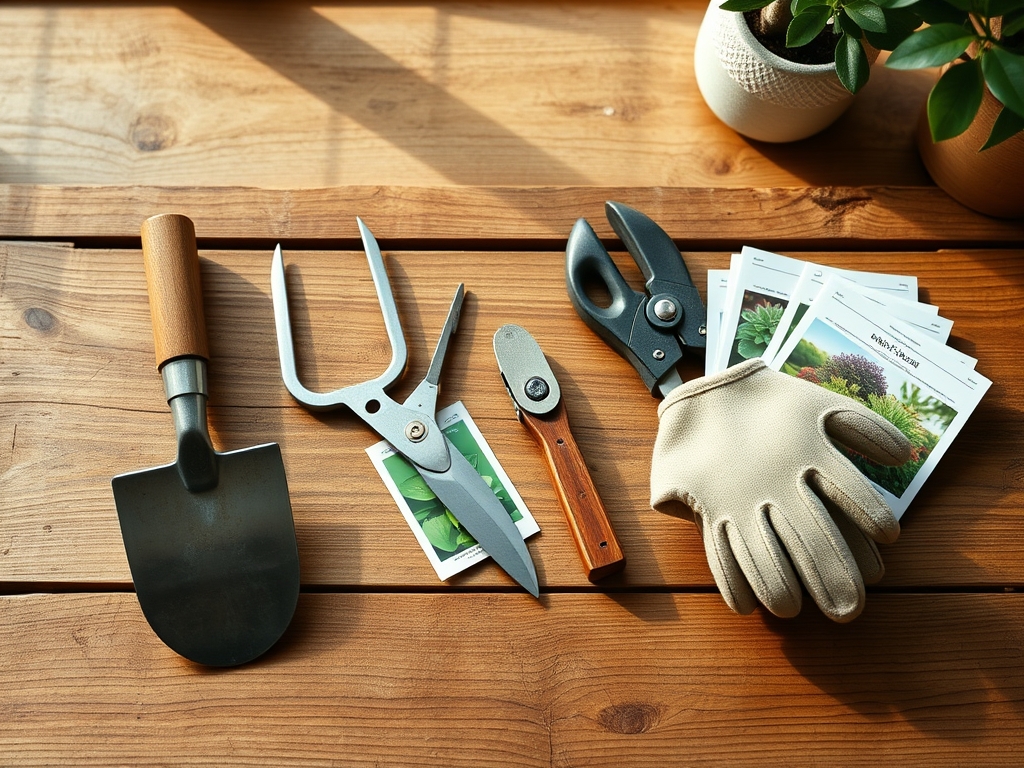
Keep your bypass pruners sterilized with 70 percent isopropyl alcohol between every plant to prevent the spread of systemic pathogens. When weeding, use a hori-hori knife to cut the taproots of invasive species without disturbing the delicate surface roots of your edible crops. Apply a supplemental 2-4-2 liquid seaweed fertilizer every 14 days to provide trace minerals and cytokinins that help the plant withstand heat stress.
The Yield:
Harvesting in the tropics requires speed to prevent post-harvest respiration from degrading the sugar content. For leafy greens, harvest at 06:00 AM when turgor pressure is at its peak. Use a sharp blade to make clean cuts; ragged edges increase the surface area for moisture loss and pathogen entry.
For fruiting crops like peppers or eggplants, use pruners to leave a one-half inch stem attached to the fruit. This "handle" prevents the skin from tearing at the calyx, which is a primary entry point for rot. Immediately submerge harvested greens in 40-degree Fahrenheit water to remove field heat and lock in "day-one" freshness through a process called hydro-cooling.
FAQ:
How often should I water my tropical garden?
Provide 1.5 inches of water weekly. Use a soil moisture meter to ensure the top 2 inches of soil are dry before re-watering. This prevents anaerobic conditions and root rot while maintaining the necessary turgor for growth.
What is the best NPK ratio for tropical vegetables?
Start with a 10-5-5 ratio during the vegetative stage. Shift to a 5-10-15 ratio once flowering begins. High potassium is essential in the tropics to regulate stomatal conductance and improve stress resistance.
How do I lower soil pH for tropical plants?
Incorporate elemental sulfur or aluminum sulfate into the soil at least four weeks before planting. Aim for a target pH of 6.0. Monitor the pH monthly, as tropical rains tend to leach alkaline cations and shift acidity.
Why are my plant leaves turning yellow?
Yellowing, or chlorosis, usually indicates a nitrogen deficiency or overwatering. Check soil drainage first. If the soil is not saturated, apply a high-nitrogen organic amendment to restore the protein synthesis required for green chlorophyll production.