6 Steps to Build a Dry Creek Bed for Drainage
Standing water pooling near your foundation after every storm signals a critical drainage failure that can undermine footings, rot wooden structures, and turn planting beds into anoxic dead zones. A properly constructed dry creek bed intercepts runoff, slows velocity, and recharges groundwater while mimicking natural stream morphology. Mastering the steps for building a dry creek bed for drainage transforms a liability into a functional landscape feature that handles sheet flow, reduces erosion, and creates habitat corridors through residential lots.
Materials
River rock in three size classes forms the structural skeleton. Base layer requires 4 to 8 inch cobbles that resist displacement during peak flows. Mid-layer uses 2 to 4 inch stones that fill interstices and create turbulence to dissipate energy. Surface dressing employs 1 to 2 inch pebbles that provide visual texture and protect underlying soil from scour.
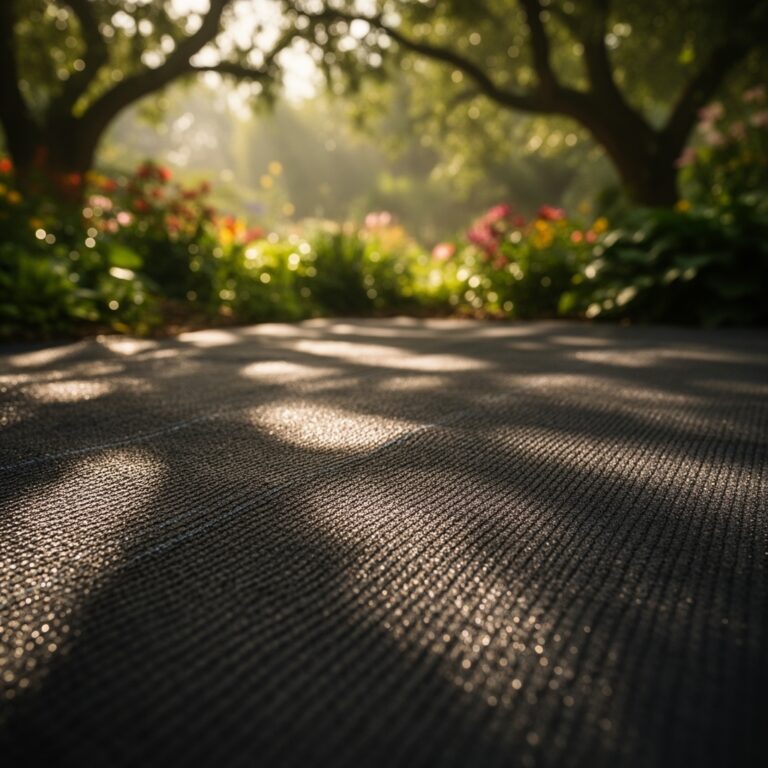
Landscape fabric with a minimum 3 ounce weight per square yard prevents soil migration into voids while maintaining permeability. Avoid non-woven polypropylene below 2.5 ounces; it tears during stone placement and clogs within two seasons.
Native soil excavated during trenching should test between pH 6.0 and 7.5 for optimal percolation. Amend clay soils with coarse sand at a 1:1 ratio to improve infiltration rates. Sandy soils benefit from 2 inches of composted pine bark (approximating a 4-4-4 slow-release NPK profile) worked into the bottom 6 inches of the trench to increase cation exchange capacity and retain nutrients from runoff.
Edging stones in the 10 to 16 inch range define creek margins and prevent lateral spreading. Select flat-faced specimens that nestle together without mortar, creating a semi-permeable boundary.
Timing
Schedule excavation during dry periods in USDA Hardiness Zones 3 through 10, avoiding ground frost or saturated soil. Spring construction in Zones 3 through 6 allows two full growing seasons before winter stress tests the installation. Fall work suits Zones 7 through 10, positioning the project before winter rains arrive.
Avoid trenching within 45 days of the last spring frost in northern zones. Frozen subsoil delays settling and masks drainage inefficiencies. In southern zones, work between October and February when soil moisture is lowest and compaction risk minimal.
Coordinate with local frost-free dates to establish riparian plantings. Install dormant bare-root shrubs 2 to 3 weeks before last frost. Container-grown perennials go in 1 week after last frost when auxin distribution accelerates root establishment.
Phases

Mapping the Flow Path
Survey the lot during heavy rain to identify concentration points and natural fall lines. Mark the route with stakes every 10 feet, ensuring a minimum 2 percent grade (2.4 inches drop per 10 linear feet). Steeper slopes of 3 to 4 percent prevent siltation but may require check dams every 25 feet to slow velocity.
Pro-Tip: Use a laser level or builder's transit to verify grade consistency. Even 1 foot of reverse slope creates standing water pockets that breed mosquitoes and suffocate soil microbes.
Excavation and Base Preparation
Strip vegetation and topsoil along the marked path, creating a trench 18 to 24 inches wide and 8 to 12 inches deep. Widen curves to 30 inches; water accelerates on bends and requires additional energy dissipation. Tamp the trench floor with a plate compactor to 85 percent density, eliminating settling pockets.
Lay landscape fabric across the entire trench floor and 6 inches up each side. Overlap seams by 12 inches, oriented so upstream fabric laps over downstream fabric to prevent backflow undermining the joint.
Pro-Tip: Inoculate trench edges with mycorrhizal fungi spores at 1 ounce per 10 linear feet. Fungal hyphae colonize roots of adjacent plantings, increasing phosphorus uptake by 40 percent and stabilizing soil aggregates.
Stone Placement
Position cobbles along the trench floor in a single layer, leaving 1 to 2 inch gaps. This base layer bears the hydraulic load and should cover 70 percent of the fabric. Add mid-sized stones to fill gaps, building depth to 6 inches at the centerline and 4 inches at margins to create a natural crown.
Top with pebbles in a 2 inch veneer. Arrange stones to mimic random scatter, avoiding geometric patterns. Water the bed heavily to settle stones and reveal voids requiring additional material.
Pro-Tip: Embed boulders (16 inches or larger) at strategic points to create riffle-and-pool sequences. Space these features every 15 feet to oxygenate flow and trap organic matter that feeds beneficial bacteria.
Troubleshooting
Symptom: Water pools in mid-creek depressions.
Solution: Excavate the affected section 3 inches deeper. Add a 2 inch layer of 3/4 inch crushed gravel beneath cobbles to increase void space and infiltration rate to 4 inches per hour.
Symptom: Stones migrate downstream after storms, exposing fabric.
Solution: Install a check dam using flat stones stacked 6 inches high and keyed 4 inches into each bank. Angle the dam face upstream at 15 degrees to deflect energy laterally.
Symptom: Silt deposits coat stones, reducing permeability.
Solution: Plant deep-rooted native grasses (Panicum virgatum, Andropogon gerardii) at 18 inch spacing along upstream banks. Roots trap sediment and increase infiltration by 60 percent within one season.
Symptom: Mosquito larvae colonize stagnant pools.
Solution: Introduce Bacillus thuringiensis israelensis (Bti) granules at 0.5 ounces per 100 square feet every 14 days during breeding season. Bti targets only dipteran larvae, sparing beneficial insects.
Symptom: Bank erosion undercuts edging stones.
Solution: Plant rhizomatous sedges (Carex stricta, Juncus effusus) at 12 inch intervals. Rhizomes form a fibrous mat that stabilizes soil and tolerates intermittent inundation.
Maintenance
Inspect the creek bed after every rainfall exceeding 1 inch. Remove trapped leaves and organic debris within 48 hours to prevent anaerobic decomposition and sulfide odors. Redistribute displaced stones immediately; delayed repairs allow channels to incise and destabilize banks.
Apply 1 inch of water weekly to newly planted riparian species during the first growing season. Established plantings require supplemental irrigation only during droughts exceeding 21 days. Over-watering encourages shallow rooting and reduces stress tolerance.
Topdress with 0.5 inches of pebbles every 3 years to compensate for settling and maintain surface texture. Avoid adding soil or mulch; organic matter clogs voids and defeats the drainage function.
Prune riparian shrubs annually in late winter, removing one-third of the oldest stems at ground level. This encourages basal shoots with high auxin concentrations that root aggressively and bind soil.
FAQ
How deep should a drainage creek bed be?
Excavate 8 to 12 inches for residential applications. Depth must accommodate 6 inches of stone with 2 inches of freeboard to contain peak flows without overtopping banks.
Do I need landscape fabric under creek rocks?
Yes. Fabric prevents soil from migrating into stone voids, which reduces infiltration capacity by 70 percent within three years. Use 3 ounce minimum weight for durability.
What grade is required for proper drainage?
Maintain a 2 to 3 percent slope (2.4 to 3.6 inches drop per 10 feet). Flatter grades allow siltation; steeper grades cause erosion and require check dams every 20 feet.
Can I plant directly in the creek bed?
No. Place plantings along banks, not within the stone matrix. Roots destabilize the structure and trap debris. Position shrubs 12 inches from edging stones.
How wide should a dry creek bed be?
Width varies with drainage area. Allow 18 to 24 inches for lots under 5,000 square feet. Increase to 36 inches for drainage areas exceeding 10,000 square feet or slopes above 5 percent.