6 Best Landscaping Fabrics for Weed Suppression
Pulling weeds from gravel paths and ornamental beds consumes hours each season, robbing gardeners of time better spent cultivating perennials or harvesting tomatoes. The best landscaping fabric for weed suppression acts as a physical barrier that blocks photosynthesis beneath mulch layers while permitting water infiltration and gas exchange at rates measured in cubic feet per minute. Professional landscapers rely on geotextile membranes engineered with specific pore sizes, tensile strength ratings, and UV stabilization to maintain weed control for five to fifteen years depending on installation depth and mulch weight.
Materials
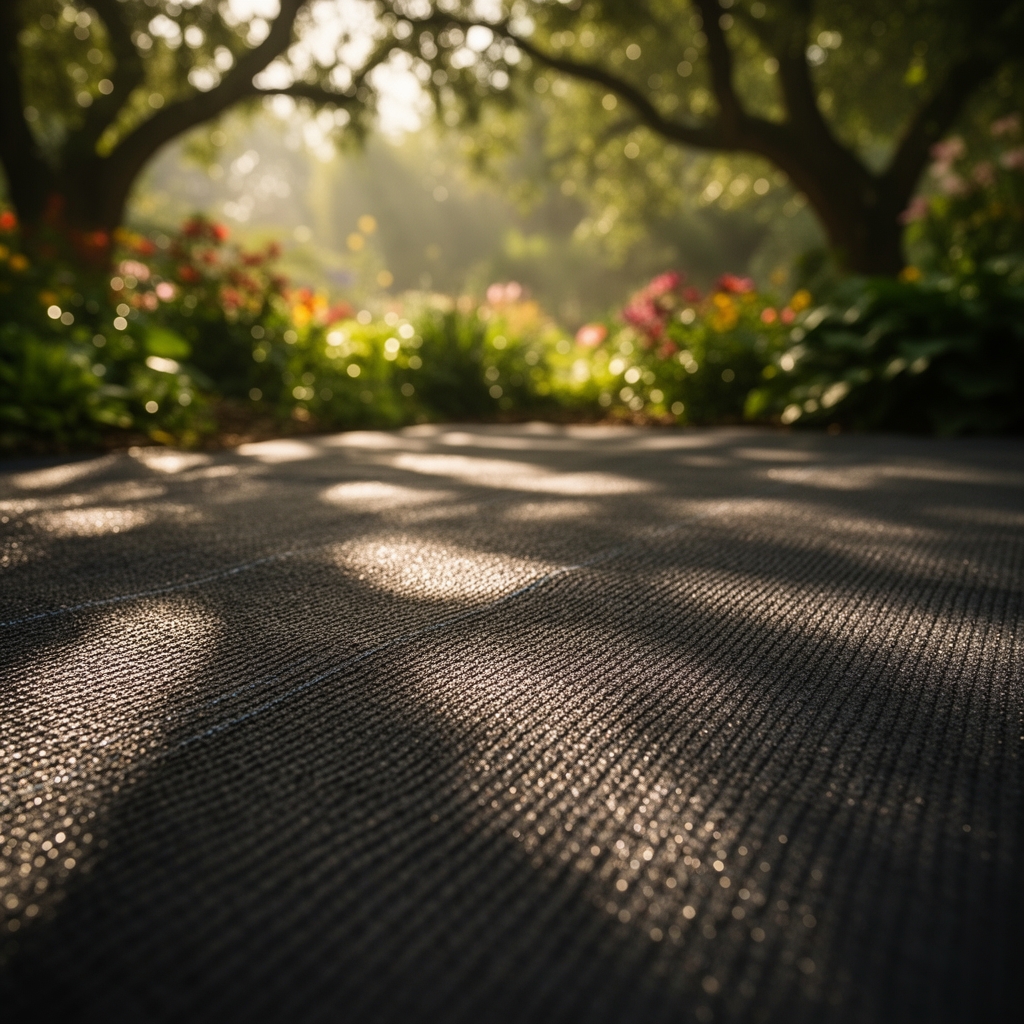
Woven polypropylene fabric delivers 3.5 ounces per square yard and resists tearing when installing around established shrub roots. This material tolerates soil pH ranges from 4.5 to 8.0 without degradation, making it suitable for acid-loving azaleas and alkaline-adapted lavender alike. Permeability rates reach 50 gallons per minute per square yard, sufficient for regions receiving 40 inches of annual rainfall.
Non-woven spunbond polypropylene weighs 4 ounces per square yard and features needle-punched construction that creates random fiber entanglement. Water passes through at 60 gallons per minute per square yard. This grade integrates well with raised beds receiving monthly applications of 4-4-4 organic meal or controlled-release 14-14-14 synthetic granules, as nutrients dissolve and percolate directly to root zones without lateral runoff.
Woven polyester landscape fabric offers 5-ounce weight with a tighter weave pattern that blocks nutsedge rhizomes and bermudagrass stolons. Polyester resists UV breakdown for 20 percent longer than polypropylene when exposed to full sun. Cation exchange capacity of the underlying soil remains unaffected, allowing clay particles to retain calcium, magnesium, and potassium ions.
Biodegradable jute fabric decomposes over two to three seasons, ideal for annual bed preparation. Jute maintains a carbon-to-nitrogen ratio of 40:1, contributing organic matter as it breaks down. Apply a 1-inch layer of compost with an NPK analysis of 1-0.5-1 directly over jute before mulching.
Professional-grade woven ground cover reaches 6 ounces per square yard with reinforced edges and grid-printed alignment marks every 12 inches. Tensile strength exceeds 200 pounds per inch, preventing rips during backfill operations around boulders or retaining wall footings.
Landscape mesh fabric at 3 ounces per square yard suits pathways and utility areas where aesthetics rank secondary to function. Mesh tolerates repeated foot traffic and allows mycorrhizal fungi networks to colonize across fabric boundaries when fungal inoculation occurs during installation.
Timing
Install landscape fabric in USDA Hardiness Zones 3 through 10 between two weeks after the last spring frost and six weeks before first fall frost. Soil temperatures of 55 to 65 degrees Fahrenheit allow for comfortable hand work without frozen ground or heat stress. In Zone 7, this window spans mid-April through late October. Zone 5 gardeners schedule installation from early May to mid-September.
Autumn installation permits settling over winter freeze-thaw cycles, reducing wrinkles and air pockets that shelter weed seeds. Spring installation immediately precedes mulch delivery, minimizing UV exposure to the fabric surface. Avoid installation during active growth periods of existing perennials, as cutting X-shaped slits around emerging shoots stresses root systems and delays auxin distribution to new foliage.
Phases

Site Preparation: Remove all vegetation including root crowns to a depth of 4 inches using a square-point spade. Rake the soil surface to a uniform grade with no more than 1 inch of elevation change per 10 feet. Apply pre-emergent herbicide containing dithiopyr at 0.5 pounds active ingredient per acre if perennial weed pressure exceeds 20 percent ground cover. Wait 14 days for herbicide binding to soil colloids before fabric placement.
Pro-Tip: Amend compacted subsoil with 2 cubic yards of coarse sand per 1,000 square feet to improve drainage and prevent water pooling atop the fabric.
Fabric Placement: Unroll fabric perpendicular to prevailing winds to prevent billowing during installation. Overlap adjacent strips by 6 inches, securing seams with 11-gauge galvanized staples every 18 inches. Anchor perimeter edges with 6-inch steel pins spaced 24 inches apart. Cut X-shaped slits sized 2 inches wider than plant root balls, folding flaps beneath the crown to prevent UV degradation of exposed edges.
Pro-Tip: Apply powdered mycorrhizal inoculant containing Rhizophagus irregularis at 1 tablespoon per transplant hole to accelerate root colonization rates by 40 percent within 60 days.
Mulch Application: Spread hardwood bark nuggets, shredded cedar, or river rock to a uniform 3-inch depth. Organic mulches with particle sizes of 1 to 3 inches resist compaction while blocking light penetration. Maintain a 2-inch clearance from woody stems to prevent moisture accumulation and fungal collar rot. Inorganic mulches such as lava rock or decomposed granite require 2-inch depth and provide thermal mass that moderates soil temperature swings of 10 degrees Fahrenheit.
Pro-Tip: Incorporate slow-release 16-4-8 fertilizer at 2 pounds per 100 square feet of bed area before mulching ornamental shrubs to sustain nitrogen availability as mulch decomposes.
Troubleshooting
Symptom: Fabric billows or lifts, creating air pockets beneath mulch.
Solution: Remove mulch in affected zones and add staples at 12-inch intervals. Mist soil lightly to increase adhesion, then re-spread mulch immediately.
Symptom: Weeds emerge through fabric pores or overlaps.
Solution: Hand-pull within 48 hours of emergence to prevent root establishment. Apply corn gluten meal at 20 pounds per 1,000 square feet as a natural pre-emergent during spring and fall.
Symptom: Water pools on fabric surface after irrigation or rainfall.
Solution: Perforate fabric with a hand aerator at 6-inch spacing to increase permeability. Check for compacted subsoil and amend with gypsum at 40 pounds per 1,000 square feet to improve soil structure.
Symptom: Fabric tears along staple lines or cut edges.
Solution: Patch tears with adhesive-backed repair tape rated for outdoor use. Overlap tears by 4 inches in all directions. Replace fabric sections exceeding 10 percent damage.
Symptom: Tree or shrub roots girdle beneath fabric.
Solution: Enlarge X-slits to 6 inches beyond the drip line annually. Prune girdling roots with bypass pruners at 45-degree angles to encourage outward growth.
Maintenance
Inspect fabric edges and seams every six months for lifting or erosion. Re-pin loose sections within 72 hours of detection. Replenish mulch annually to maintain 3-inch depth, as decomposition reduces organic mulches by 1 inch per year.
Apply 1 inch of water weekly during establishment, measured with rain gauges placed at bed centers. Mature plantings require 0.5 inches weekly, adjusted for soil type and plant species. Sandy soils drain at 2 inches per hour and require twice-weekly irrigation at 0.5 inches per session.
Remove accumulated leaf litter quarterly to prevent mat formation that blocks water infiltration. Blow or rake debris before it exceeds 0.5-inch depth.
Test soil pH every three years using a calibrated electronic meter. Amend acidic soils below pH 6.0 with dolomitic limestone at 50 pounds per 1,000 square feet. Lower alkaline soils above pH 7.5 with elemental sulfur at 10 pounds per 1,000 square feet.
FAQ
How long does landscape fabric last under mulch?
Woven polypropylene lasts 10 to 15 years under 3 inches of mulch. UV exposure reduces lifespan to 3 years in uncovered applications.
Can I plant through existing landscape fabric?
Cut new X-slits sized to root ball diameter plus 2 inches. Fold flaps under plant crowns and secure with additional staples.
Does fabric prevent all weed growth?
Fabric blocks 95 percent of perennial weeds. Annual weeds germinating in mulch layers require surface removal.
What is the best mulch depth over fabric?
Maintain 3 inches of organic mulch or 2 inches of inorganic mulch. Depths exceeding 4 inches suffocate shallow-rooted perennials.
Should I use fabric in vegetable gardens?
Avoid fabric in annual vegetable beds. Frequent crop rotation and soil amendments conflict with permanent barriers. Use biodegradable paper mulch instead.