6 Critical Tips for Thinning Overcrowded Seedlings
The moment a seed cracks open and pushes two pale cotyledons toward light, it enters a race for resources. Dozens of seedlings crammed into a single tray will stretch, pale, and topple within days. Mastering the steps for thinning out overcrowded seedlings transforms this chaos into uniform, vigorous transplants with thick stems and deep green foliage. Each snip or pinch redistributes light, water, and nutrients to the survivors, allowing root systems to claim the soil volume they need. This process directly influences auxin distribution, the hormone that governs apical dominance and stem thickness.
Materials
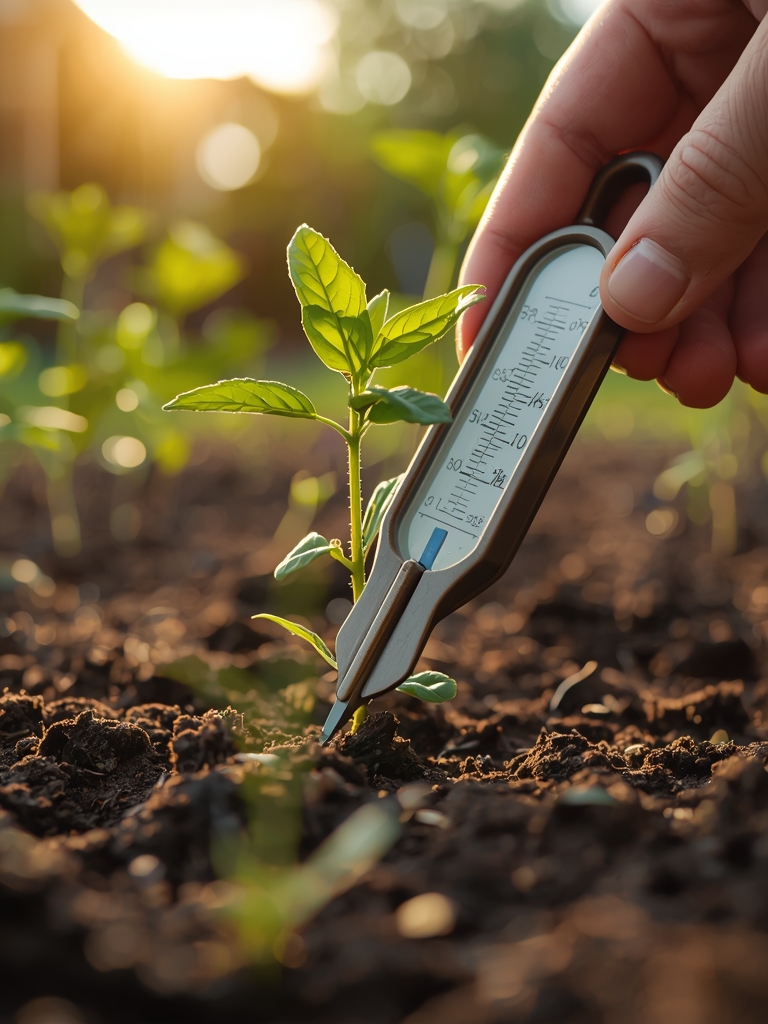
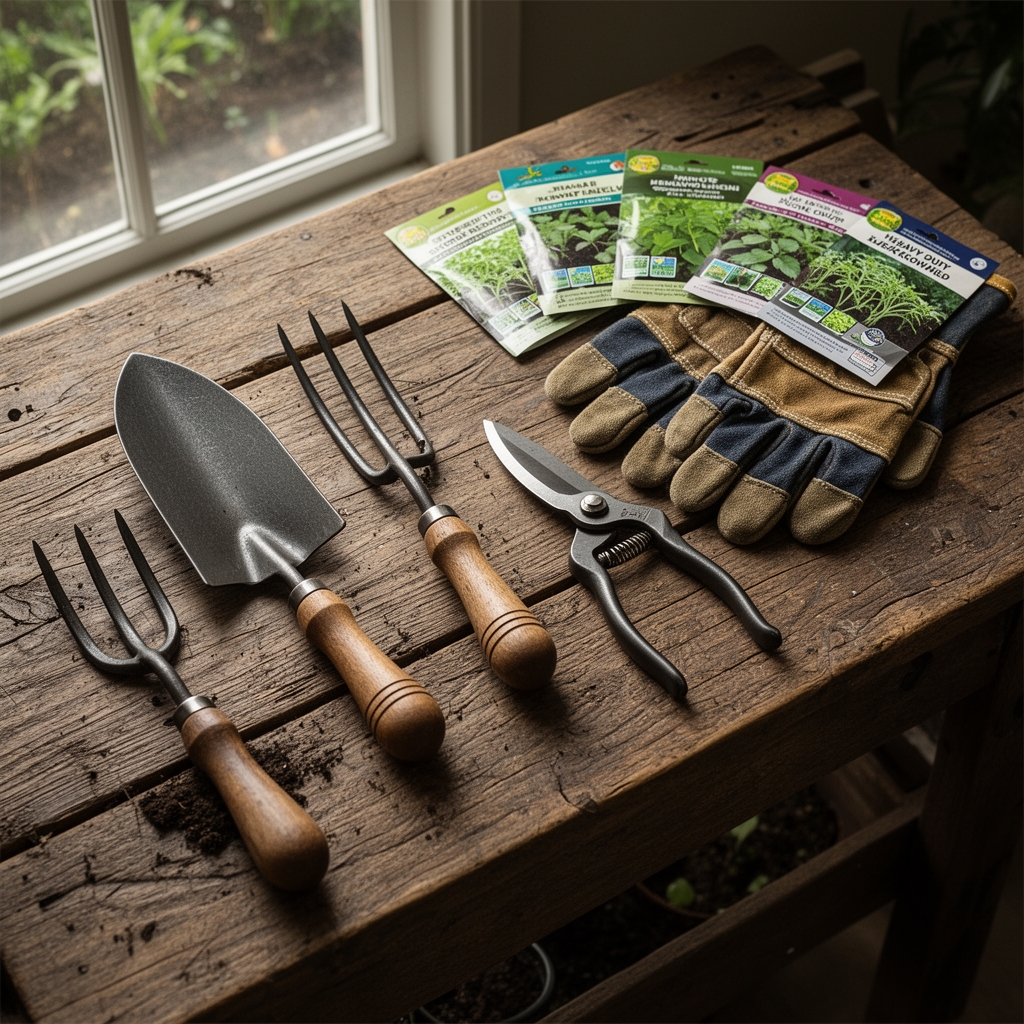
Gather sharp, stainless-steel scissors sterilized with 70% isopropyl alcohol between cuts. Avoid tweezer-style thinning when roots are intertwined. A misting bottle filled with dechlorinated water at room temperature prevents transplant shock. Prepare a balanced organic fertilizer rated 4-4-4 or 5-5-5, which provides equal parts nitrogen, phosphorus, and potassium without burning tender roots. A soil pH meter calibrated to one decimal place ensures the growing medium remains between 6.0 and 6.8 for most vegetables and ornamentals. Mycorrhizal inoculant powder (Rhizophagus irregularis strain) can be dusted onto roots during transplant to improve cation exchange capacity and phosphorus uptake. A headlamp or supplemental T5 fluorescent fixture delivers 6,000 lumens per square foot when natural light is insufficient.
Timing
Begin thinning the moment true leaves emerge, typically seven to fourteen days after germination depending on species. In USDA Hardiness Zones 3 through 5, indoor sowing occurs eight to ten weeks before the last spring frost date. Zones 6 through 8 require six to eight weeks of indoor growth. Zones 9 through 11 may direct-sow outdoors and thin in place. Morning hours between 8:00 and 10:00 a.m. offer optimal thinning conditions. Stomata are fully open, turgor pressure is high, and cut surfaces seal faster. Avoid thinning during heat waves above 85 degrees Fahrenheit or when soil moisture drops below 40% by volume.
Phases
Sowing: Sow seeds at triple the final desired density to account for uneven germination rates. Place two to three seeds per cell in a 72-cell plug tray filled with sterile seed-starting mix containing perlite and peat moss in a 1:1 ratio. Maintain soil temperature at 70 to 75 degrees Fahrenheit using a thermostatically controlled heat mat. Germination rates for most vegetables range from 75% to 90%, so surplus seedlings are inevitable.
Pro-Tip: Pre-soak large seeds such as beans or squash in a 0.1% humic acid solution for six hours to accelerate radicle emergence and improve stand uniformity.
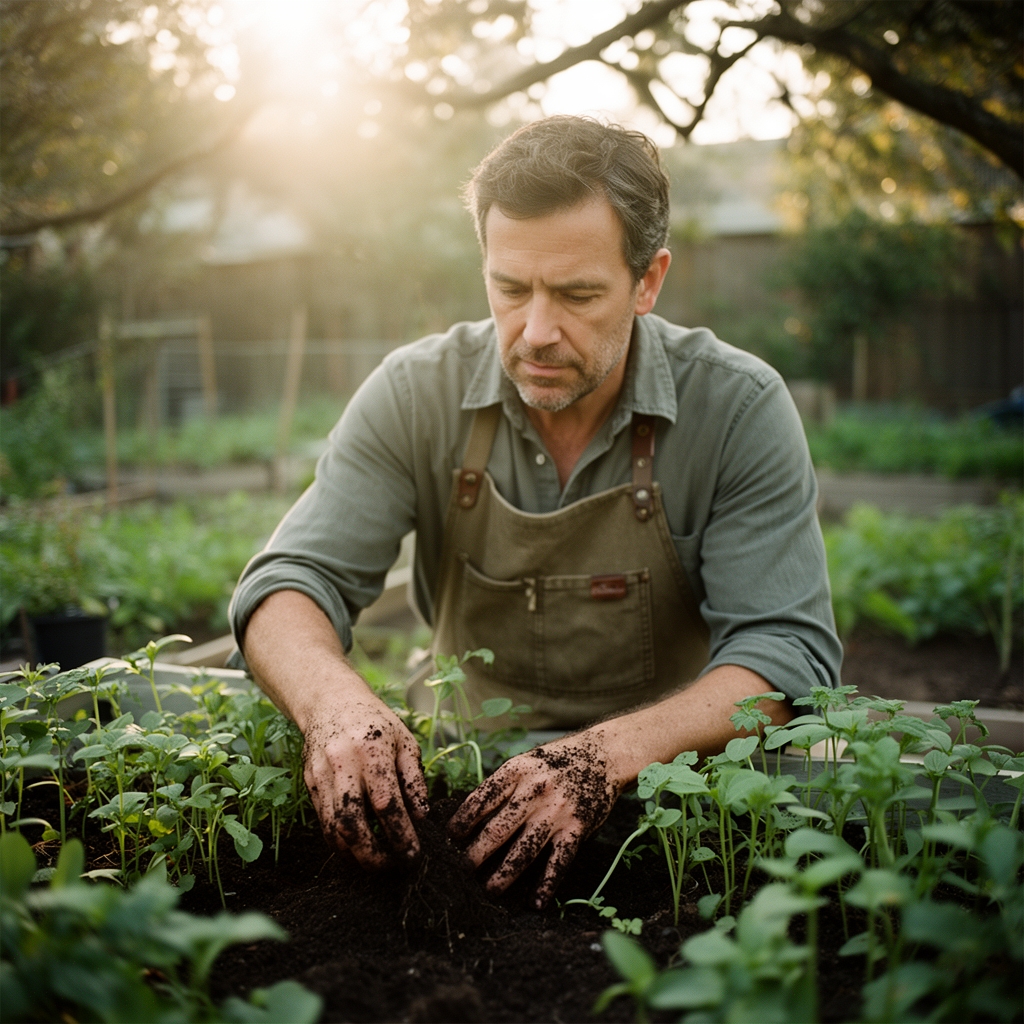
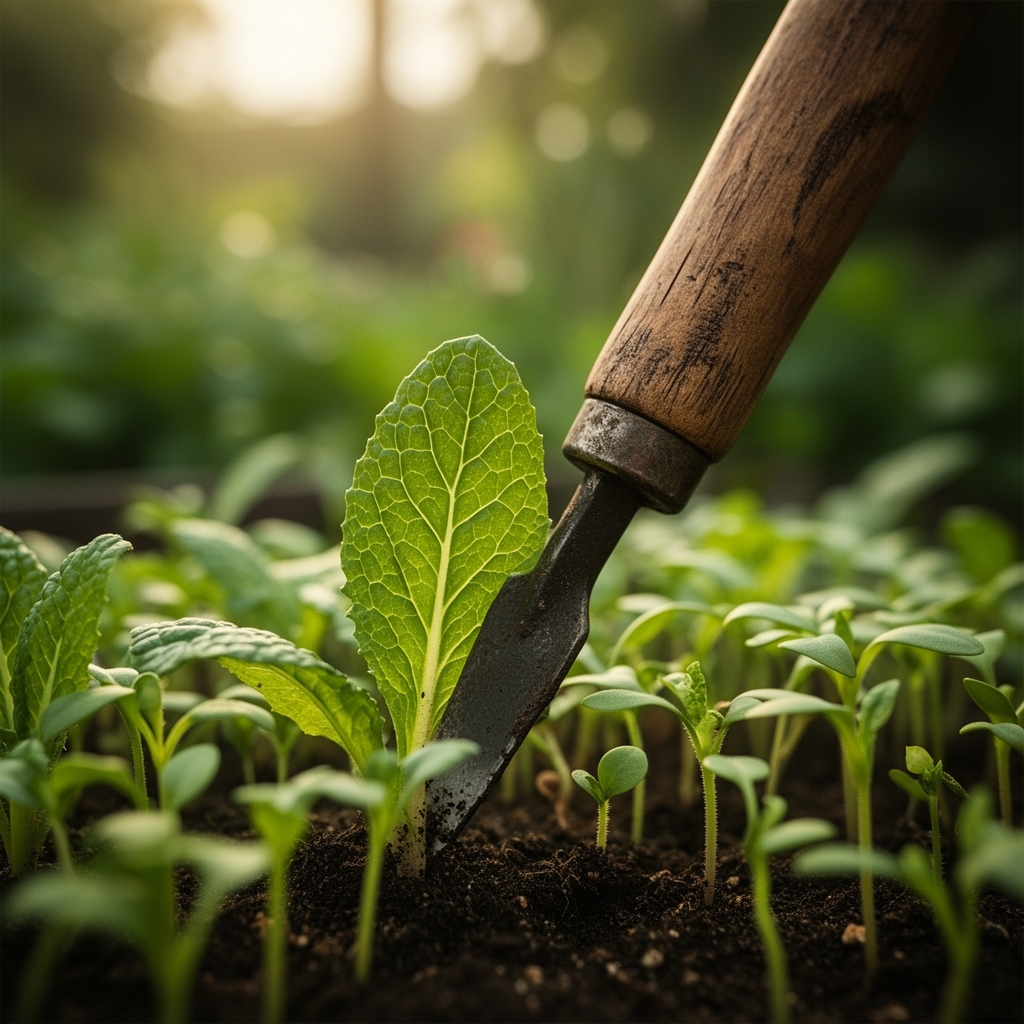
Transplanting: Select the seedling with the thickest stem diameter, shortest internode length, and darkest green color. Snip competitors at soil level rather than pulling, which disturbs the survivor's root ball. Leave 1.5 to 2 inches between remaining seedlings in row plantings, or one seedling per cell in plug trays. Transplant survivors into 4-inch pots filled with potting soil amended with worm castings at a rate of one tablespoon per quart. Bury stems up to the cotyledon node for tomatoes, peppers, and brassicas to encourage adventitious root formation along the buried portion.
Pro-Tip: Water transplanted seedlings with a kelp extract solution diluted to 1 tablespoon per gallon to supply cytokinins, which reduce transplant shock and promote lateral root branching.
Establishing: Position transplants under light sources 2 to 4 inches above foliage for 14 to 16 hours daily. Gradually reduce this to 12 hours as true leaves mature. Increase air circulation with an oscillating fan set on low speed to strengthen stems through thigmomorphogenesis, the mechanical stress response. After ten days, introduce diluted fertilizer at one-quarter strength (1-1-1 NPK equivalent) every five days. Monitor for leggy growth, which indicates insufficient light or excessive nitrogen.
Pro-Tip: Brush seedling tops gently with your palm twice daily for thirty seconds to simulate wind stress, reducing stem elongation by up to 20%.
Troubleshooting
Symptom: Damping-off. Seedlings collapse at soil line with water-soaked, blackened stems.
Solution: Improve air circulation and reduce watering frequency. Apply a Trichoderma harzianum drench at label rates to suppress Pythium and Rhizoctonia fungi.
Symptom: Leggy, pale seedlings with stems longer than 4 inches.
Solution: Move light source to 2 inches above foliage. Reduce nitrogen by 50%. Increase light duration to 16 hours daily.
Symptom: Purple or reddish leaf undersides.
Solution: Raise ambient temperature above 65 degrees Fahrenheit. This indicates phosphorus lockout due to cold soil, not deficiency.
Symptom: Yellowing lower leaves (chlorosis).
Solution: Increase nitrogen input to 100 ppm from liquid fertilizer at every watering.
Symptom: Fungus gnats circling trays.
Solution: Allow top 0.5 inches of soil to dry between waterings. Apply Bacillus thuringiensis israelensis (Bti) granules to soil surface.
Maintenance
Water seedlings when the top 0.25 inches of soil feels dry to the touch, typically every 24 to 48 hours. Provide 0.5 inches of water per application, measured with a rain gauge placed in the tray. Maintain relative humidity between 50% and 60% using a humidistat-controlled misting system. Feed with liquid fertilizer at 50 to 100 ppm nitrogen once per week until transplant. Harden off seedlings by exposing them to outdoor conditions for one hour on day one, increasing exposure by one hour daily over seven to ten days. Final outdoor transplant occurs when soil temperature reaches 55 degrees Fahrenheit at 4 inches depth and all frost danger has passed.
FAQ
How close can seedlings grow without thinning?
Seedlings spaced closer than 1 inch will compete for light within 72 hours, triggering etiolation and weak stems.
Can I transplant thinned seedlings?
Yes, if roots are untangled carefully and transplanted immediately into moist soil. Success rates drop below 50% for seedlings older than three weeks.
What tools sterilize scissors between cuts?
A 10% bleach solution (1 part bleach to 9 parts water) or 70% isopropyl alcohol applied for 30 seconds kills fungal spores and bacteria.
How much light do seedlings need after thinning?
Provide 200 to 400 foot-candles (2,000 to 4,000 lumens per square foot) for leafy greens, 400 to 600 for fruiting crops.
When do I stop thinning?
Cease when one vigorous seedling per cell or 2 inches of spacing in rows is achieved and true leaves number four or more.