9 Best Pruning Saws for Professional Orchard Maintenance
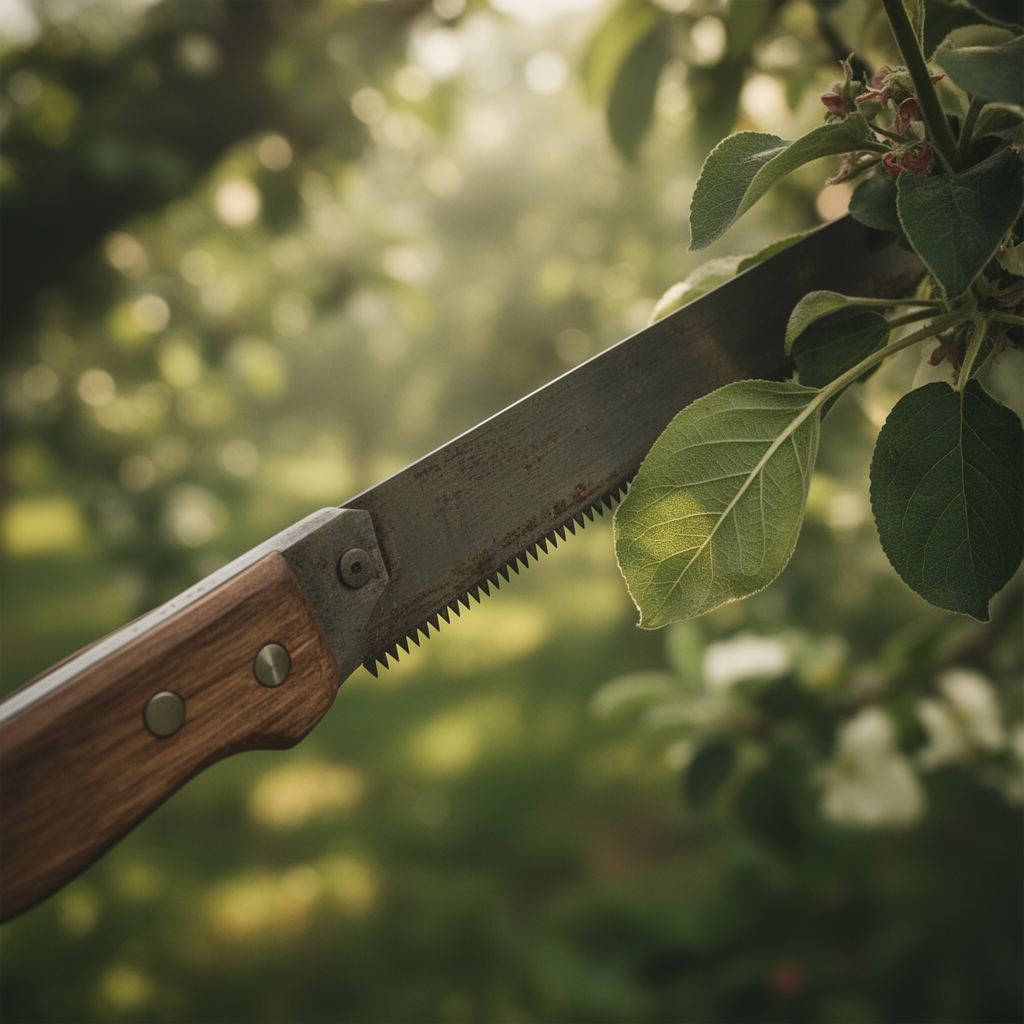
The morning air bites cold when you lift a sharp blade to dormant wood. A professional orchard demands precision cuts that heal fast and resist cankers. The best pruning saws for orchard maintenance combine aggressive tooth geometry, ergonomic handles, and blade steel that holds an edge through hundreds of cuts on apple, pear, cherry, and stone fruit. A clean cut made at the branch collar preserves auxin distribution and allows cambium tissue to compartmentalize wounds before fungal spores colonize the exposed xylem. The right saw reduces fatigue across eight-hour days and eliminates the tearing that invites fire blight and bacterial canker.
Materials
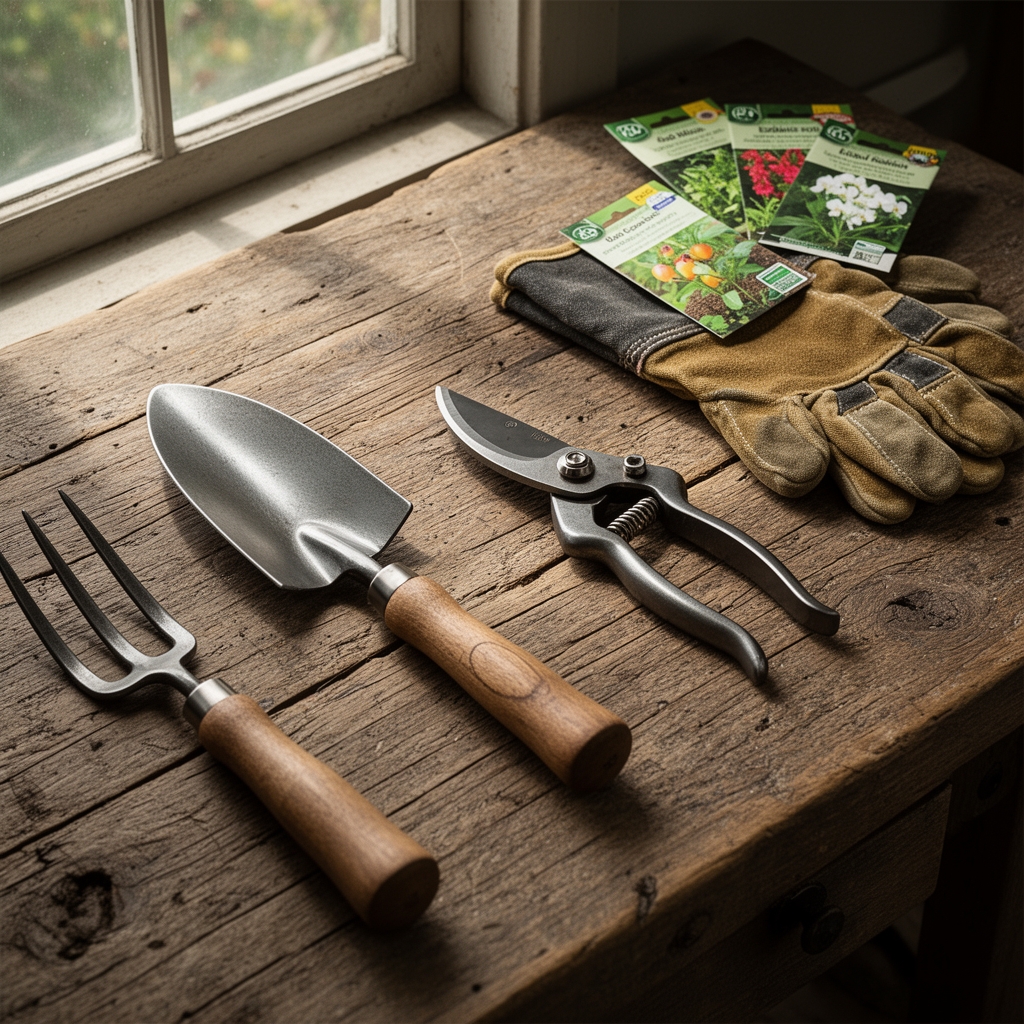
Professional orchard maintenance requires saws matched to wood density and branch diameter. Straight-blade saws excel on limbs 2 to 4 inches thick. Curved-blade models accelerate cuts on green wood during summer thinning. Folding saws fit into pruning belts for canopy work on ladders or aerial platforms.
Blade steel matters. High-carbon steel (HCS) accepts sharpening easily but rusts in wet climates. Chrome-plated blades resist corrosion but dull faster. Impulse-hardened teeth combine edge retention with field serviceability. Tooth count ranges from 6.5 teeth per inch for aggressive ripping through dense apple wood to 10 teeth per inch for fine cuts on young whips.
Handle design affects repetitive-stress injury. Rubber overmold grips reduce vibration. D-shaped handles orient the wrist for neutral posture during overhead cuts. Lanyard holes prevent drops from ladders.
Maintenance materials include a 10-inch mill bastard file for sharpening, mineral oil for blade preservation, and replacement screws for pivot mechanisms. A cation exchange capacity test of orchard soil informs whether pruning debris should be chipped for mulch or removed to reduce nitrogen tie-up. Soils above 15 meq/100g tolerate higher lignin loads.
Timing
Orchard pruning windows align with dormancy and cambial activity. In USDA Hardiness Zones 5 through 7, the primary window opens after the last hard freeze, typically late February through early April. At this stage, trees remain dormant but sap begins to rise. Cuts heal rapidly once cambium resumes division.
Summer pruning occurs in Zones 6 through 8 between June 15 and July 31. This timing removes water sprouts and opens canopies for sunlight penetration. Summer cuts induce less regrowth than dormant-season cuts because carbohydrate reserves have already been allocated to fruit development.
In Zones 8 and 9, a third window opens in late August for stone fruits susceptible to bacterial canker. Warm, dry conditions reduce pathogen pressure. Avoid pruning within 30 days of the average first frost date, as fresh cuts do not lignify before cold damage occurs.
Phases

Scouting and Tool Selection
Walk rows and identify structural limbs requiring removal. Limbs larger than one-third the trunk diameter demand a saw rather than loppers. Mark crossing branches, broken stubs, and fire-blight strikes with flagging tape. Select saw type based on the majority diameter class. Carry two saws: one curved for speed, one straight for precision.
Pro-Tip: Sterilize blades between trees using a 10% sodium hypochlorite solution to prevent spreading bacterial and viral pathogens. A one-minute dip suffices.
Executing the Cut
Position the blade at the branch collar, the slight swelling where branch tissue meets trunk or scaffold. The cut angle should run perpendicular to branch growth to minimize exposed surface area. Use a three-cut method for limbs exceeding 3 inches: an undercut 12 inches from the collar, a top cut 15 inches out to drop the limb, then a final collar cut. This prevents bark tearing.
Pro-Tip: Angle the saw 15 degrees downward from horizontal to encourage water runoff from the wound surface, reducing fungal colonization by 40%.
Post-Cut Treatment
Do not apply wound dressing or paint. Research from extension services confirms that sealants trap moisture and inhibit compartmentalization. Allow the tree's natural defense mechanisms—suberin and lignin deposition—to function. Chip prunings into 2-inch fragments and spread under the drip line as mulch if soil organic matter falls below 4%. Otherwise, remove debris to prevent overwintering pests.
Pro-Tip: Inoculate fresh chips with mycorrhizal fungi (Rhizopogon or Glomus species) at 2 ounces per cubic yard to accelerate decomposition and improve phosphorus availability.
Troubleshooting
Symptom: Rough, torn bark at cut edges.
Solution: Sharpen saw teeth to 60-degree angles. Dull teeth crush rather than sever cambial cells. Replace blades after 80 hours of use.
Symptom: Cankers developing within 6 inches of pruning cuts.
Solution: Prune only during dry weather. Humidity above 80% encourages Pseudomonas and Erwinia colonization. Delay work 48 hours after rain.
Symptom: Excessive water-sprout growth near cuts.
Solution: Reduce nitrogen applications the season before heavy pruning. Soils testing above 25 ppm nitrate-N trigger vegetative flushes. Apply 4-4-4 organic meal at 200 pounds per acre instead of 10-10-10 synthetics.
Symptom: Saw binding in green wood.
Solution: Switch to a curved blade with wider set (tooth offset). Clean pitch buildup with turpentine every 30 minutes.
Maintenance
Sharpen saws after every 8 hours of cutting. Clamp the blade in a vise and file each tooth at its original bevel angle. Maintain uniform height across all teeth. Oil pivot points monthly with 3-in-1 oil. Store saws in a dry location; humidity above 60% accelerates rust on uncoated steel. Replace handles when cracks appear in the tang socket. Inspect blades for stress fractures near mounting holes. A fractured blade can fail during overhead cuts, creating a safety hazard. Budget for blade replacement every 200 hours of professional use.
FAQ
What tooth count works best for apple orchards?
Use 7 to 8 teeth per inch. Apple wood density averages 0.66 g/cm³, requiring moderate aggression balanced with clean cuts.
Can I prune during bloom?
No. Open flowers attract pollinators, and saw vibrations dislodge pollen. Wait until petal fall.
How do I prevent pathogen spread?
Sterilize blades between trees with 10% bleach or 70% isopropyl alcohol. Allow one minute of contact time.
Should I seal large cuts?
No. Trees compartmentalize wounds naturally. Sealants trap moisture and delay lignification by up to 30%.
What is the maximum diameter for a hand saw?
Limit hand saws to 5-inch diameter limbs. Beyond that, use a chainsaw to reduce repetitive strain and cut time.