6 Growth Benefits of Specialized Cactus Fertilizer
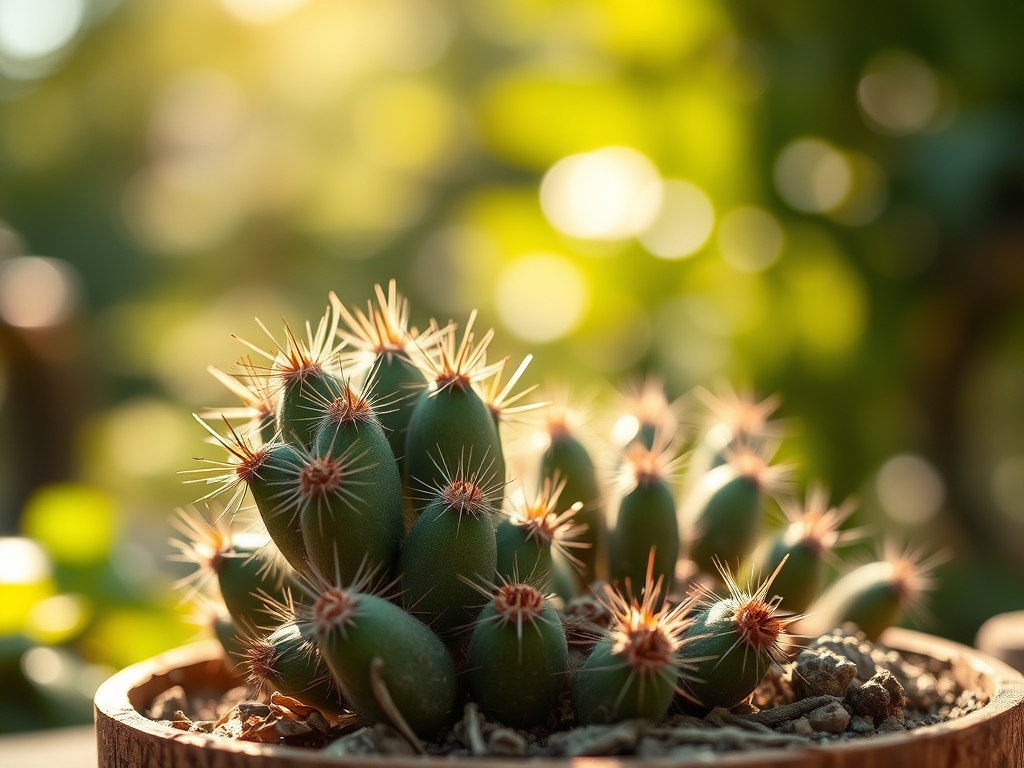
Crushing a handful of dry, gritty substrate reveals the structural integrity required for desert flora; the sharp scent of mineral dust and parched earth defines the arid garden. When a specimen achieves maximum turgor pressure, its ribs expand and its epidermis becomes taut and resilient. Achieving this level of physiological vigor requires more than just sunlight and occasional hydration. Using a specialized cactus fertilizer provides the specific micronutrient profile necessary to maintain the osmotic balance within the plant's vacuoles. Standard garden fertilizers often contain excessive nitrogen, which forces rapid, weak cellular expansion that leads to split tissue or fungal vulnerability. By contrast, a targeted formula focuses on phosphorus and potassium to strengthen the cell walls and encourage a robust root system. In the wild, these plants scavenge minerals from volcanic rock and alluvial deposits. In a container or managed landscape, the gardener must replicate this nutrient density. Proper supplementation ensures the rhizosphere remains active, allowing the plant to withstand extreme thermal fluctuations and prolonged periods of drought without sacrificing its structural density or its ability to photosynthesize efficiently.
Materials:
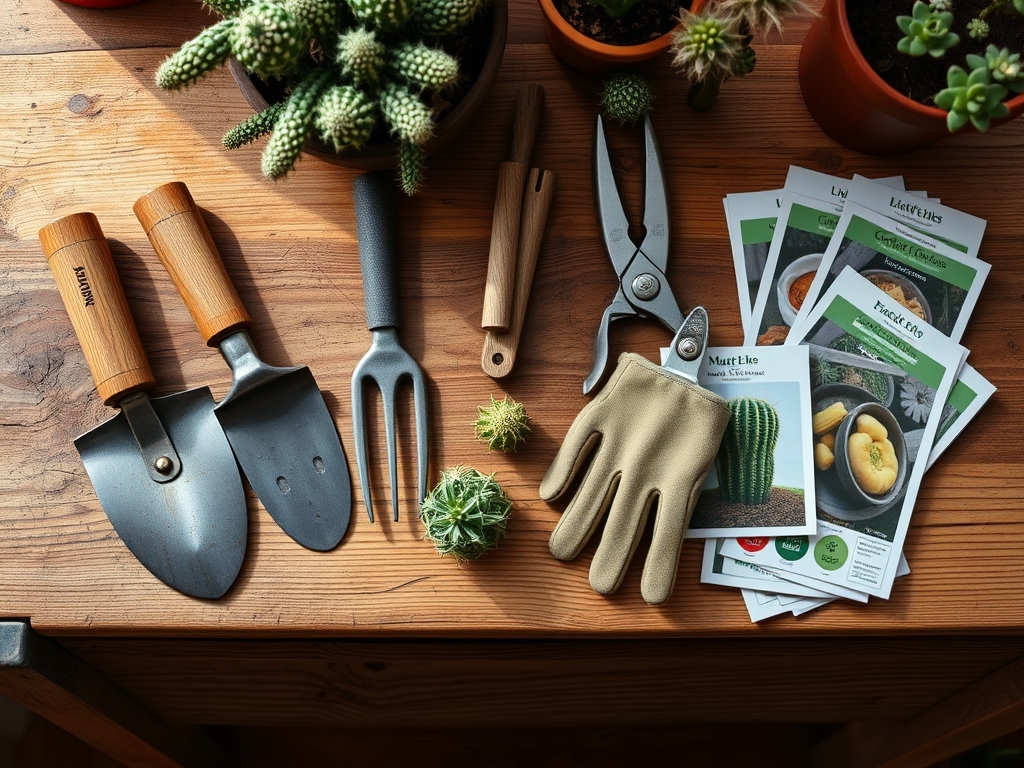
The foundation of cactus health begins with a substrate that possesses a low Cation Exchange Capacity (CEC) to prevent salt buildup while maintaining a **pH range of 5.5 to 6.5**. The physical texture must be a friable mix of inorganic aggregates; aim for a ratio of **70 percent pumice or perlite to 30 percent organic matter**. Using a specialized cactus fertilizer requires a specific NPK ratio, typically **5-10-15 or 10-10-10** diluted to half strength. High phosphorus (the middle number) is essential for lignification and floral development. Ensure you have chelated micronutrients on hand, specifically **iron, manganese, and zinc**, which are often locked out in alkaline soils. The water source should have a Total Dissolved Solids (TDS) reading below **150 ppm** to avoid mineral toxicity at the root tips.
Timing:
Cacti operate on a strict biological clock governed by photoperiod and temperature. In Hardiness Zones 8 through 11, the primary growth window opens when overnight temperatures consistently remain above 55 degrees Fahrenheit. This transition from dormancy to the vegetative stage usually occurs two to three weeks after the spring equinox. Feeding should cease entirely by late September to allow the plant to enter senescence. Forcing growth with nitrogen late in the season creates soft tissue that will liquefy during the first frost. The reproductive stage, characterized by bud initiation, requires a spike in potassium approximately six weeks before the typical flowering window for your specific species.
Phases:

Sowing
When germinating seeds, maintain a constant temperature of 75 to 85 degrees Fahrenheit. Use a sterile, fine-grained calcined clay medium. Do not apply fertilizer until the first set of true spines appears, usually 60 to 90 days post-emergence. At this stage, use a highly diluted liquid fertilizer at 25 percent strength.
Pro-Tip: Maintaining high humidity during germination prevents the desiccation of the radicle; this supports early mycorrhizal symbiosis, where beneficial fungi extend the reach of the nascent root system to absorb phosphorus.
Transplanting
Moving a cactus requires a dry root ball to prevent mechanical damage from turning into rot. After extracting the plant with a hori-hori knife, inspect the roots for desiccation. Wait seven to ten days before the first watering to allow callous formation on any broken roots. Introduce specialized fertilizer only after you observe new apical growth.
Pro-Tip: Avoid fertilizing immediately after transplanting to prevent osmotic shock; the plant needs to re-establish its hydraulic connection with the soil before it can process concentrated salts.
Establishing
An established cactus requires deep, infrequent irrigation. Apply water until it drains freely from the base of the pot, then allow the substrate to dry completely. During the peak summer months, apply specialized fertilizer every third or fourth watering. This ensures the plant has the raw materials needed for CAM (Crassulacean Acid Metabolism) photosynthesis, which occurs primarily at night.
Pro-Tip: Consistent potassium levels regulate the opening and closing of the stomata; this maximizes gas exchange while minimizing water loss through transpiration during high-heat events.
The Clinic:
Physiological disorders in cacti often stem from nutrient imbalances or improper hydraulic pressure. Observe the epidermis for early warning signs.
- Symptom: Yellowing of the base or new growth (Chlorosis).
- Solution: Check soil pH. If the pH is above 7.0, the plant cannot uptake iron. Lower the pH using sulfur or an acidic specialized fertilizer.
- Symptom: Etiolation (pale, stretched, thin growth).
- Solution: This is a light deficiency, not a nutrient issue. Move the plant to a location with at least six hours of direct solar radiation.
- Symptom: Corking (brown, bark-like skin at the base).
- Solution: This is often natural aging, but if it spreads rapidly, it indicates a potassium deficiency. Increase K-heavy fertilizer applications.
- Fix-It: For Nitrogen chlorosis, apply a 5-5-5 balanced water-soluble fertilizer at half strength once. Monitor the apical meristem for color return within 14 days.
Maintenance:
Precision is the hallmark of a professional grower. Use a soil moisture meter to verify that the root zone is at 0 percent moisture before re-hydrating. For outdoor landscape cacti, provide approximately 1.5 inches of water per week at the drip line during the heat of July and August; move the water away from the trunk to prevent basal rot. Use bypass pruners to remove spent blooms or damaged pads, making cuts at a 45-degree angle to shed water. If you detect mealybugs or scale, use a localized application of 70 percent isopropyl alcohol rather than broad-spectrum pesticides which can damage the waxy cuticle of the plant. Always clean your tools with a 10 percent bleach solution between plants to prevent the spread of systemic pathogens.
The Yield:
For fruiting species like Opuntia or Hylocereus, harvesting timing is critical for sugar content. Fruit should be harvested when the exterior color is fully saturated and the fruit yields slightly to thumb pressure. Use tongs or heavy gloves to twist the fruit off the areole; a clean break prevents tearing the parent plant's skin. To maintain "day-one" freshness, store harvested fruit at 45 to 50 degrees Fahrenheit with a relative humidity of 85 percent. This slows the rate of respiration and prevents the shriveling of the pericarp. For flowering species, removing dead blooms (deadheading) prevents the plant from diverting energy into seed production, allowing it to store more carbohydrates in its cortex for the following season.
FAQ:
How often should I use specialized cactus fertilizer?
Apply fertilizer once every four to six weeks during the active growing season. Stop all applications during winter dormancy. Always dilute the formula to 50 percent of the manufacturer's recommended strength to avoid root burn.
Can I use regular all-purpose plant food?
Standard fertilizers contain too much nitrogen for cacti. This causes unstable, rapid growth that is prone to pests and structural collapse. Specialized formulas provide the higher phosphorus and potassium levels required for dense, hardy tissue development.
What are the signs of over-fertilization?
Look for a white crust of salt on the soil surface or orange-brown spotting on the plant's skin. If the cactus appears bloated or develops deep cracks, flush the soil with distilled water to remove excess mineral salts.
Do indoor cacti need as much fertilizer as outdoor ones?
Indoor cacti grow slower due to lower light intensity and require half the frequency of outdoor plants. Feed indoor specimens only twice a year, once in early spring and once in mid-summer, to maintain steady metabolic rates.