9 Display Steps to Prepare a Succulent Plant Shelf
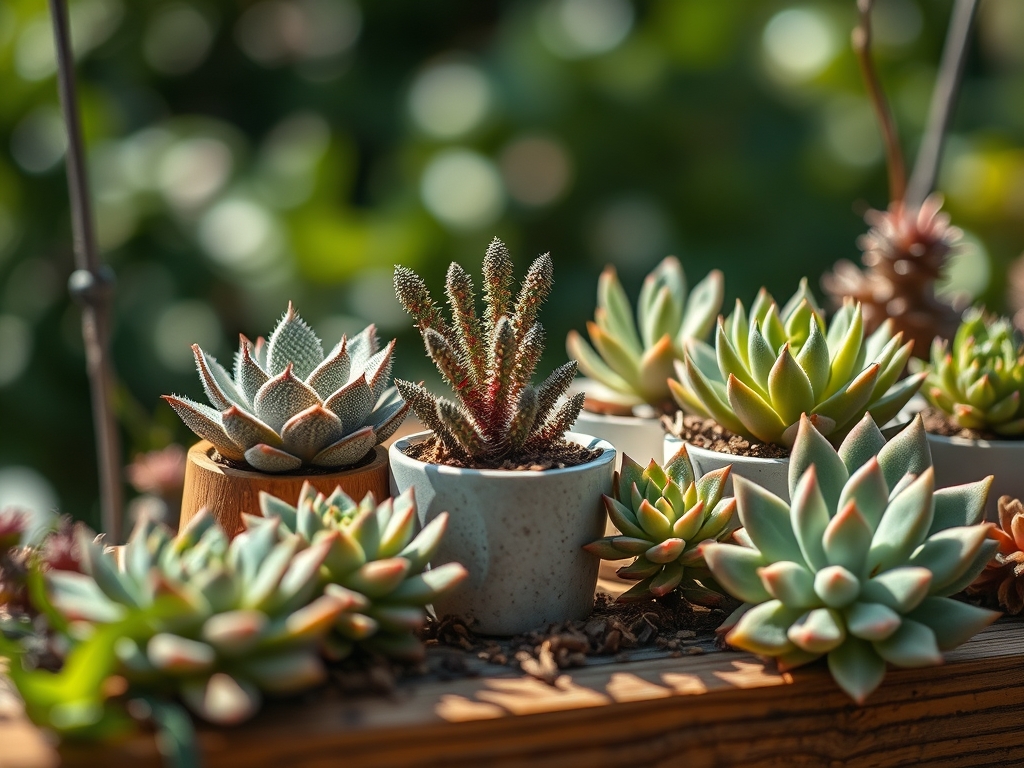
Crushing a dried leaf between your fingers reveals the stark difference between a plant in senescence and one maintained with high turgor pressure. A healthy succulent leaf should feel rigid and cool; its internal cells are pressurized with water stored in specialized parenchyma tissue. Success in indoor cultivation requires more than just aesthetics. You must engineer an environment that mimics the arid, high-mineral habitats of the desert. Learning how to prepare a plant shelf for succulents involves balancing light intensity, air circulation, and substrate drainage to prevent root rot. You are not just placing pots on a board; you are constructing a controlled microclimate. The smell of damp pumice and the gritty texture of calcined clay are the hallmarks of a professional setup. Every millimeter of shelf space must be optimized for photosynthetic efficiency. Proper preparation ensures that your Echeveria and Haworthia maintain their compact rosettes rather than stretching toward weak light sources. This guide provides the technical framework to build a shelf that functions as a high-performance botanical laboratory.
Materials:
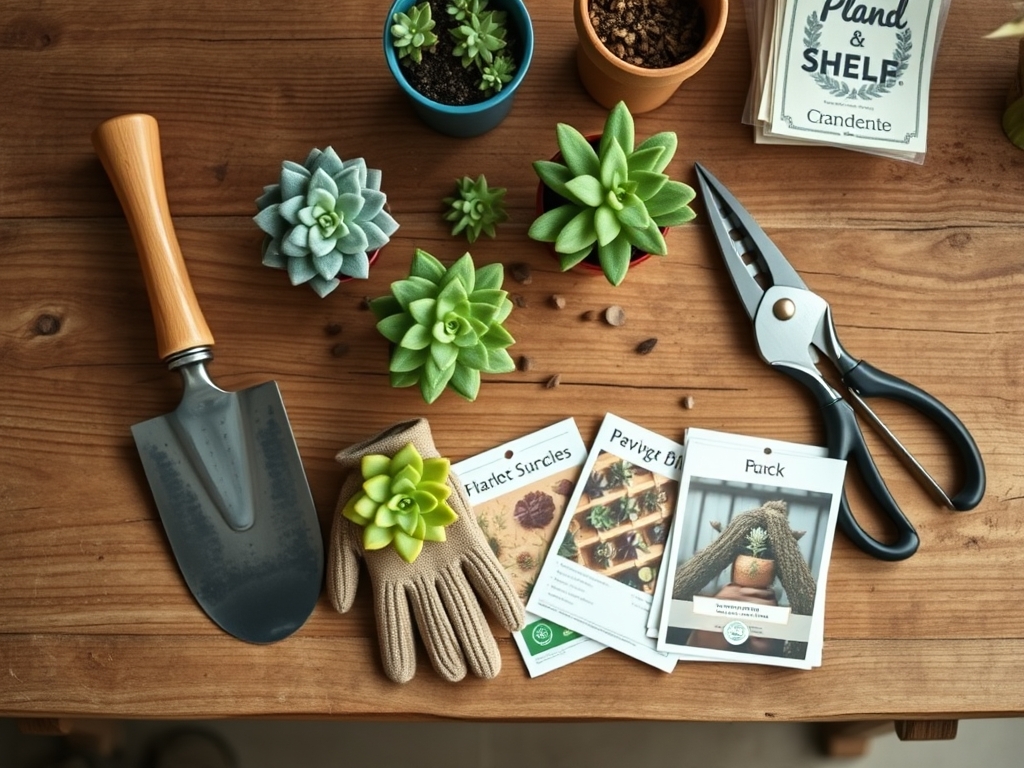
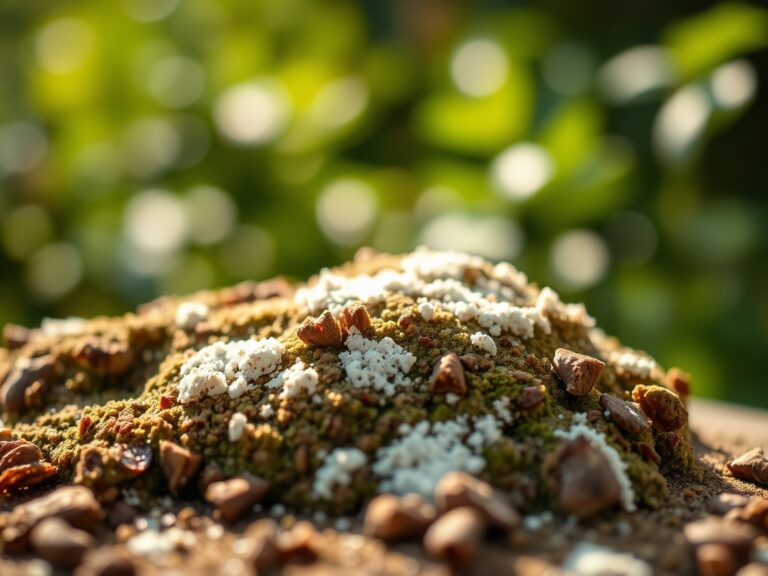
The foundation of a successful succulent shelf is the substrate and the structural integrity of the shelving unit itself. Succulents require a soil pH between **5.5 and 6.5** to ensure optimal nutrient bioavailability. A friable loam mixed with inorganic components is essential. Your substrate should consist of **50 percent inorganic grit** such as pumice, perlite, or expanded shale to facilitate rapid drainage.
For fertilization, look for a low-nitrogen NPK ratio of 5-10-10 or 1-2-2. High nitrogen levels cause rapid, weak growth that is susceptible to cellular collapse. The Cation Exchange Capacity (CEC) of your mix should be moderate; use coconut coir or a small amount of pine bark to provide sites for nutrient retention without holding excess moisture. Ensure your shelf can support at least 25 pounds per square foot to account for the weight of terracotta pots and saturated mineral soil.
Timing:
Hardiness Zones provide the baseline for ambient temperature control. Most indoor succulents thrive in conditions mimicking Zones 9 through 11, where temperatures remain between 65 and 80 degrees Fahrenheit. If your shelf is near a window, you must track the frost-date windows for your specific region. A drop to 40 degrees Fahrenheit at the glass pane can trigger a dormant state or cause permanent tissue damage.
The biological clock of a succulent is governed by the photoperiod. As you prepare your shelf, consider the transition from vegetative to reproductive stages. Many species require a period of cooler nights and shorter days to initiate flowering. If your shelf uses artificial lighting, you will need to adjust your timers to provide 12 to 14 hours of light during the active growing season and reduce it to 8 to 10 hours during the winter rest period.
Phases:
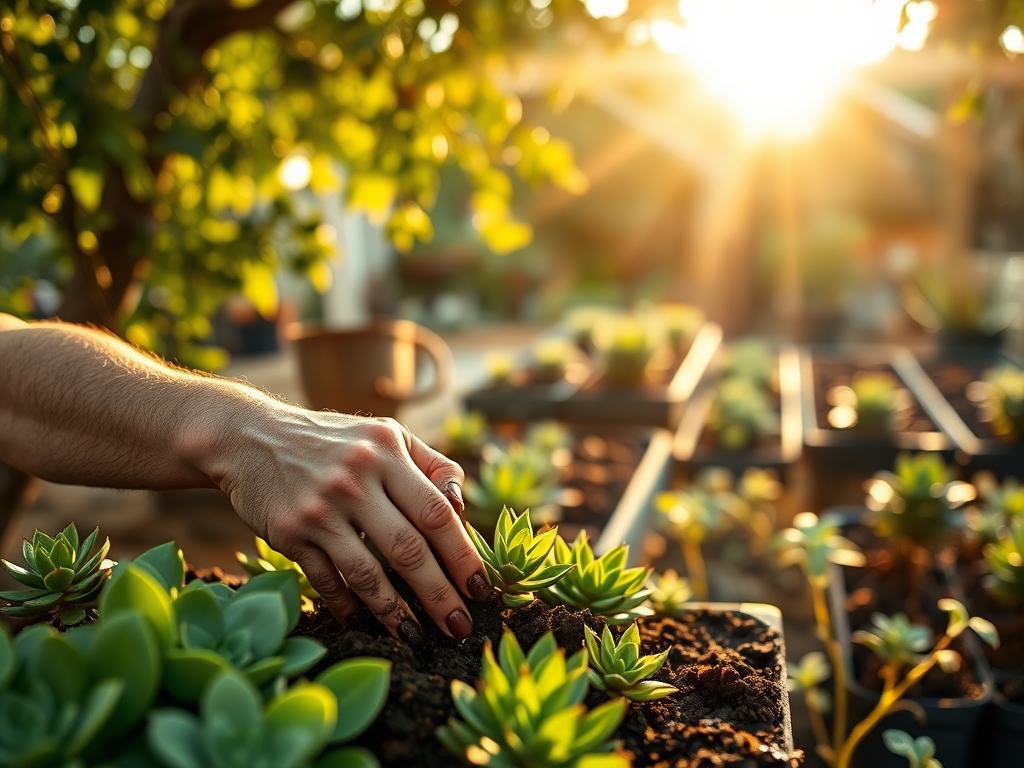
Sowing and Propagation
When starting from seed or leaf cuttings, use a sterile medium with a fine texture. Maintain a constant temperature of 72 degrees Fahrenheit to maximize germination rates. For leaf cuttings, allow the wound to callus for three to five days before placing it on the substrate. This prevents opportunistic pathogens from entering the vascular system.
Pro-Tip: Callusing is a form of wound response that utilizes suberin to create a waterproof barrier. This prevents desiccation and infection, ensuring the plant allocates energy toward adventitious root development rather than fighting decay.
Transplanting
Move your plants into their permanent shelf containers once they have established a robust root system. Use a hori-hori knife to gently loosen the root ball if it has become pot-bound. Ensure the crown of the plant sits exactly at the soil line. Planting too deep leads to stem rot; planting too shallow leads to instability and root desiccation.
Pro-Tip: Succulents exhibit thigmotropism in their roots. When roots encounter the firm edges of a terracotta pot, it stimulates the production of lateral roots, increasing the surface area for water and nutrient uptake within the rhizosphere.
Establishing
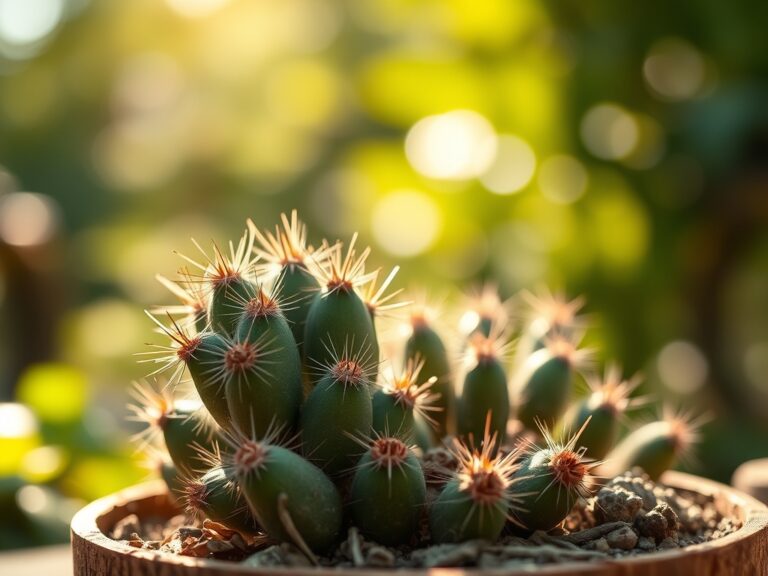
Once positioned on the shelf, avoid watering for at least seven days. This allows any microscopic root damage sustained during the move to heal. Position the most light-demanding species, like Cacti or Agave, directly under the center of your light source where the PAR (Photosynthetically Active Radiation) levels are highest.
Pro-Tip: Use a soil moisture meter to verify that the substrate is completely dry before the first watering. This period of drought stress encourages the plant to extend its root system deeper into the pot in search of moisture, strengthening the overall architecture of the plant.
The Clinic:
Physiological disorders often stem from environmental imbalances on the shelf.
- Symptom: Etiolation (stretching and pale color).
Solution: Increase light intensity or duration. Etiolation is caused by auxin suppression failure; the plant rapidly elongates cells to find a light source. - Symptom: Edema (cork-like bumps on leaves).
Solution: Improve air circulation and reduce watering frequency. Edema occurs when the roots absorb water faster than the leaves can transpire it, causing cells to rupture. - Symptom: Nitrogen Chlorosis (yellowing of older leaves).
Solution: Apply a balanced fertilizer with a 1-1-1 ratio at half strength. Nitrogen is a mobile nutrient; the plant will pull it from old growth to support new meristematic activity. - Fix-It: For Iron deficiency (yellowing between leaf veins), ensure the soil pH has not risen above 7.0. High pH locks out iron. Flush the soil with acidified water to restore the correct balance.
Maintenance:
Consistency is the primary driver of succulent health. Use a soil moisture meter to check the depth of dryness. Most succulents require the soil to be dry through at least 90 percent of the pot volume. When you water, do so until liquid drains freely from the bottom of the pot. This flushes out accumulated mineral salts that can burn sensitive root tips.
For plants on a shelf, provide approximately 0.5 to 1.0 cup of water per six-inch pot every two weeks, depending on the ambient humidity. Use bypass pruners to remove spent flower stalks or dead lower leaves. This prevents the buildup of organic debris which can harbor pests. Clean the shelf surfaces monthly with a mild isopropyl alcohol solution to eliminate any fungal spores or dormant insect eggs.
The Yield:
While most succulents are grown for foliage, some species like Aloe Vera or certain Opuntia varieties offer a harvest. For Aloe, select the outermost leaves and cut them at the base using a sterilized blade. This allows the plant to seal the wound quickly without affecting the central growth point.
For flowering succulents, harvest the blooms just as the first floret opens. This ensures "day-one" freshness and a longer vase life. Immediately place the cut end in room-temperature water to maintain turgor. Post-harvest, the parent plant may require a small dose of phosphorus-rich fertilizer to replenish the energy spent on reproductive growth.
FAQ:
How much light do succulents on a shelf need?
Succulents require 6 to 8 hours of bright, indirect sunlight or 12 to 14 hours of artificial light. Measure light with a meter; aim for 2,000 to 5,000 foot-candles for most species to prevent etiolation.
What is the best shelf material for succulents?
Wire shelving is superior to solid wood or plastic. It allows for 360-degree air circulation and prevents water from pooling under pots. This reduces the risk of fungal infections and helps regulate the temperature of the root zone.
How do I know if my succulent needs water?
Check the leaves for slight wrinkling and use a soil moisture meter. If the meter reads "dry" at the root level and the leaves show reduced turgor, apply water. Never water on a fixed calendar schedule.
Can I use regular potting soil for my succulent shelf?
No. Regular potting soil retains too much moisture and lacks the necessary Cation Exchange Capacity for succulents. Mix regular soil with 50 percent coarse sand or pumice to ensure the rapid drainage required for desert species.