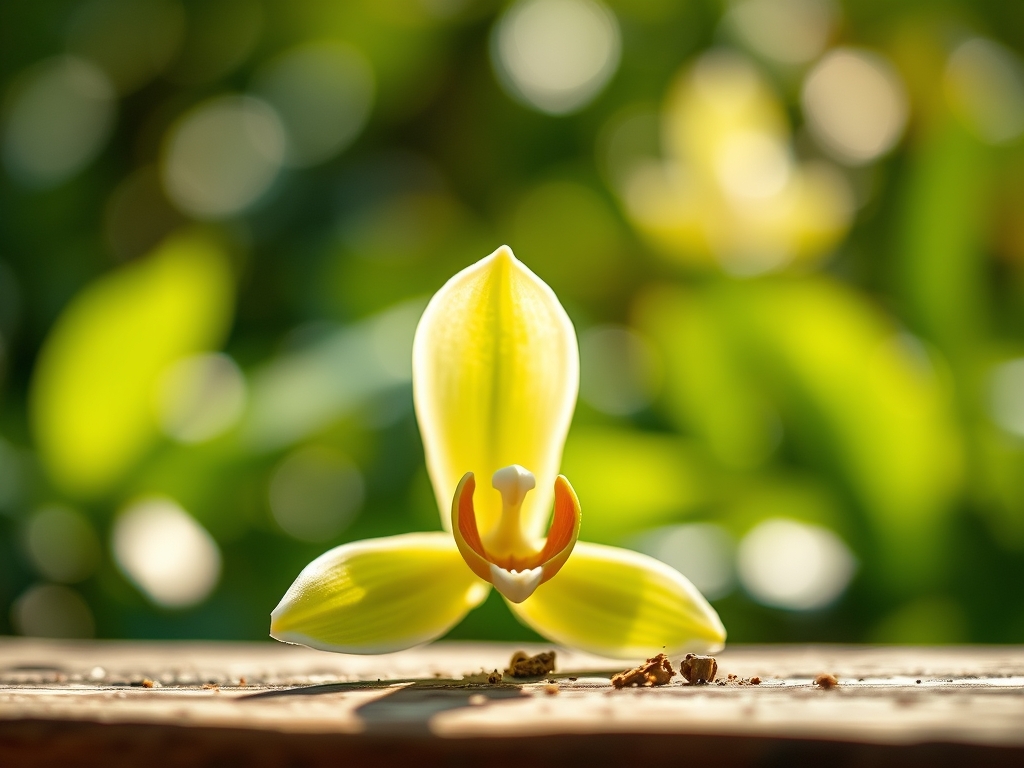
9 Blooming Benefits of Specialized Orchid Fertilizer
The scent of damp fir bark and the cool, firm turgor of a thickened leaf indicate a plant in a state of metabolic readiness. Orchids operate on a slower physiological clock than most herbaceous perennials; their nutrient uptake is a precise exchange governed by the unique architecture of their velamen-coated roots. Using a specialized orchid fertilizer ensures that the nitrogen source is predominantly nitrate-based rather than urea-based. Most epiphytic orchids lack the soil microbes required to break down urea into usable nitrogen. This distinction prevents salt accumulation in the porous substrate and avoids root burn. When the Cation Exchange Capacity of the potting medium is low, as is common with bark or perlite, the delivery of micronutrients like manganese and boron must be consistent. A balanced orchid-specific formula provides the mineral salts necessary to maintain osmotic pressure within the cellular vacuoles. This pressure is what keeps the flower spikes upright and the foliage rigid. Without these specific ratios, the plant enters a state of metabolic stagnation where leaf production halts and floral induction fails.
Materials:
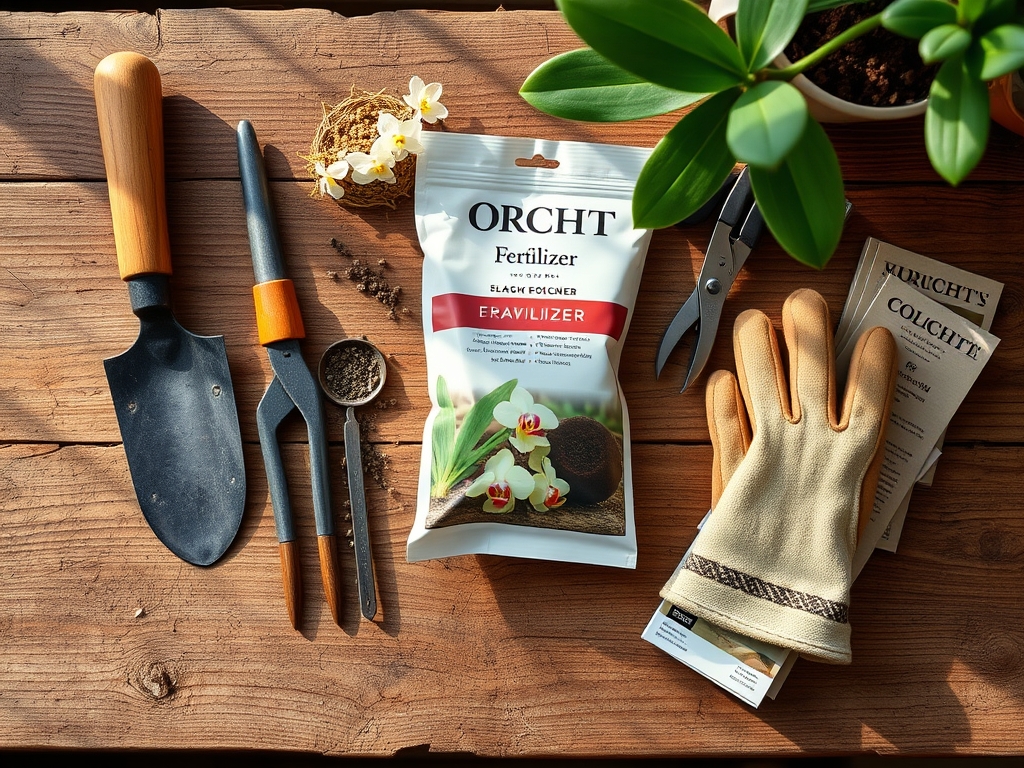
The ideal substrate for most orchids is not a soil in the traditional sense but a highly aerated, friable medium with a pH range between 5.5 and 6.5. Standard potting soil is too dense and will cause root senescence due to hypoxia. Instead, use a mix of Douglas fir bark, horticultural charcoal, and inorganic expanded clay pellets. This combination ensures high macroporosity.
For vegetative growth, look for an NPK ratio of 30-10-10. This high nitrogen concentration supports the development of new pseudobulbs. During the reproductive phase, transition to a 10-30-20 ratio. The increased phosphorus and potassium levels are essential for ATP production and the transport of sugars to the developing inflorescence. Ensure your fertilizer contains at least 0.05 percent manganese and 0.02 percent boron to support cell wall structural integrity.
Timing:
Orchids are primarily grown in controlled environments, but their biological clock is tied to the photoperiod and temperature fluctuations of Hardiness Zones 10 through 12. In temperate zones, the transition from vegetative to reproductive stages is often triggered by a drop in night temperatures to approximately 55 degrees Fahrenheit for a period of four weeks.
Fertilization should follow the "weakly, weekly" rule. Apply a diluted solution at one-quarter strength during the active growing season, typically from March through September. As the plant enters dormancy or the "rest period" in late autumn, reduce fertilization to once per month. This timing prevents the buildup of mineral salts when the plant's metabolic rate slows. Monitoring the solar cycle is critical; once daylight exceeds 12 hours, the plant's demand for nitrogen increases as it initiates new leaf primordia.
Phases:

Sowing and Flasking
Orchid seeds are microscopic and lack an endosperm, meaning they cannot germinate without a symbiotic relationship with mycorrhizal fungi or a sterile agar medium containing sucrose. In a laboratory setting, the pH of the agar must be maintained at exactly 5.8 to allow for nutrient diffusion across the protocorm membrane.
Pro-Tip: The biological why behind sterile flasking is the prevention of fungal pathogens that outcompete the orchid protocorm for carbon. Without an endosperm, the orchid is entirely dependent on external nutrient absorption through simple diffusion.
Transplanting and Repotting
Repotting should occur every 18 to 24 months or when the medium begins to decompose. Decomposition reduces the particle size, which lowers the oxygen diffusion rate to the rhizosphere. When moving the plant, trim dead, papery roots with sterilized bypass pruners. Position the oldest pseudobulb against the edge of the pot to allow the new growth lead room to expand across the center.
Pro-Tip: This method utilizes the plant's natural geotropism and growth habit. By providing space for the new rhizome, you prevent the compression of new roots, which maintains high turgor pressure in the developing shoots.
Establishing the Spike
Once the orchid initiates a flower spike, it requires increased potassium to regulate the stomatal openings and manage water loss during the long blooming period. Secure the spike to a bamboo stake using soft clips, ensuring the stake is driven into the medium away from the central root mass to avoid mechanical damage.
Pro-Tip: The spike follows the light source through phototropism. By staking early, you guide the auxin distribution within the stem, ensuring a straight, aesthetically pleasing display that can support the weight of the heavy blooms.
The Clinic:
Physiological disorders in orchids often manifest through the foliage. Observe the leaf color and texture to diagnose issues within the rhizosphere.
- Symptom: Interveinal chlorosis on new leaves.
Solution: This indicates a lack of iron or manganese, often caused by a pH spike above 7.0. Flush the medium with distilled water and apply a chelated micronutrient supplement to restore the acidic environment. - Symptom: Tip burn on leaves or black, shriveled root tips.
Solution: This is a sign of "salt crusting" from over-fertilization. The high electrical conductivity (EC) of the water is pulling moisture out of the roots via osmosis. Flush the pot with three times its volume in pure water. - Symptom: Flaccid, wrinkled leaves despite frequent watering.
Solution: This is often "root rot" caused by anaerobic conditions. The roots have died and can no longer transport water. Remove the plant from the medium, prune the necrotic tissue, and repot in fresh, coarse bark.
Fix-It for Nitrogen Chlorosis: If older leaves turn a uniform pale yellow, the plant is scavenging nitrogen to support new growth. Increase the frequency of your 30-10-10 fertilizer applications by 20 percent until the deep green color returns to the new foliage.
Maintenance:
Precision is the hallmark of orchid care. Use a soil moisture meter to ensure the core of the bark mix is nearly dry before adding water. For an orchid in a six-inch pot, provide approximately 0.5 to 0.75 cups of water once per week, ensuring it flows freely through the drainage holes. Never allow the "crown" of the orchid to hold standing water, as this leads to bacterial rot.
Use a hori-hori knife to gently loosen the root ball from the pot walls during the biennial repotting process. Regularly wipe the leaves with a damp cloth to remove dust, which can block the stomata and reduce photosynthetic efficiency. If you observe any scale or mealybugs, use a cotton swab dipped in isopropyl alcohol to manually remove the pests without damaging the waxy cuticle of the leaf.
The Yield:
Orchid "yield" is measured by the longevity and quantity of the blooms. To maximize the life of the flowers, move the plant to a slightly cooler location with indirect light once the first bud opens. Temperatures between 60 and 70 degrees Fahrenheit will slow the senescence of the petals.
If cutting the spike for a vase, use a sterilized blade to cut at a 45-degree angle near the base of the plant. Immediately submerge the stem in room-temperature water. To maintain "day-one" freshness, change the water every 48 hours and trim a few millimeters off the stem to prevent the xylem from clogging with air bubbles or bacteria.
FAQ:
Why can I not use standard garden fertilizer?
Standard fertilizers often contain urea, which orchids cannot process efficiently. Using a specialized orchid fertilizer provides nitrate-based nitrogen that is immediately available to the roots without requiring soil microbes to break it down first.
How do I know if my orchid needs more light?
Observe the leaf color. Dark, forest-green leaves indicate insufficient light for flowering. Ideally, leaves should be a bright, grassy green. If the leaves turn reddish or purple, the plant is producing anthocyanins to protect against excessive UV exposure.
What is the best way to apply fertilizer?
Always water the plant with plain water first to dampen the roots. This prevents "flash burn" of the velamen. Apply the diluted fertilizer solution until it runs out of the drainage holes, ensuring even distribution across the rhizosphere.
Can I use ice cubes to water my orchid?
Ice cubes are not recommended. Orchids are tropical plants; the freezing temperature of ice can cause cellular collapse in the roots and shock the plant's metabolism. Use water that is at room temperature to maintain consistent internal thermal stability.