8 Steps to Prepare a Salt-Tolerant Coastal Garden
Preparing a garden for a coastal landscape demands recognition of the relentless wind, the fine mist of sodium chloride particles, and the alkaline, sandy substrates that dominate shoreline properties. Salt spray desiccates foliage through osmotic stress. Wind mechanically damages cuticles and stomata. The sodium ion displaces calcium and magnesium at cation exchange sites in the soil, disrupting nutrient uptake. Yet coastal gardens thrive when soil structure, plant selection, and microclimate management work in concert. The following eight-step protocol transforms a hostile littoral zone into a productive, resilient garden.
Materials
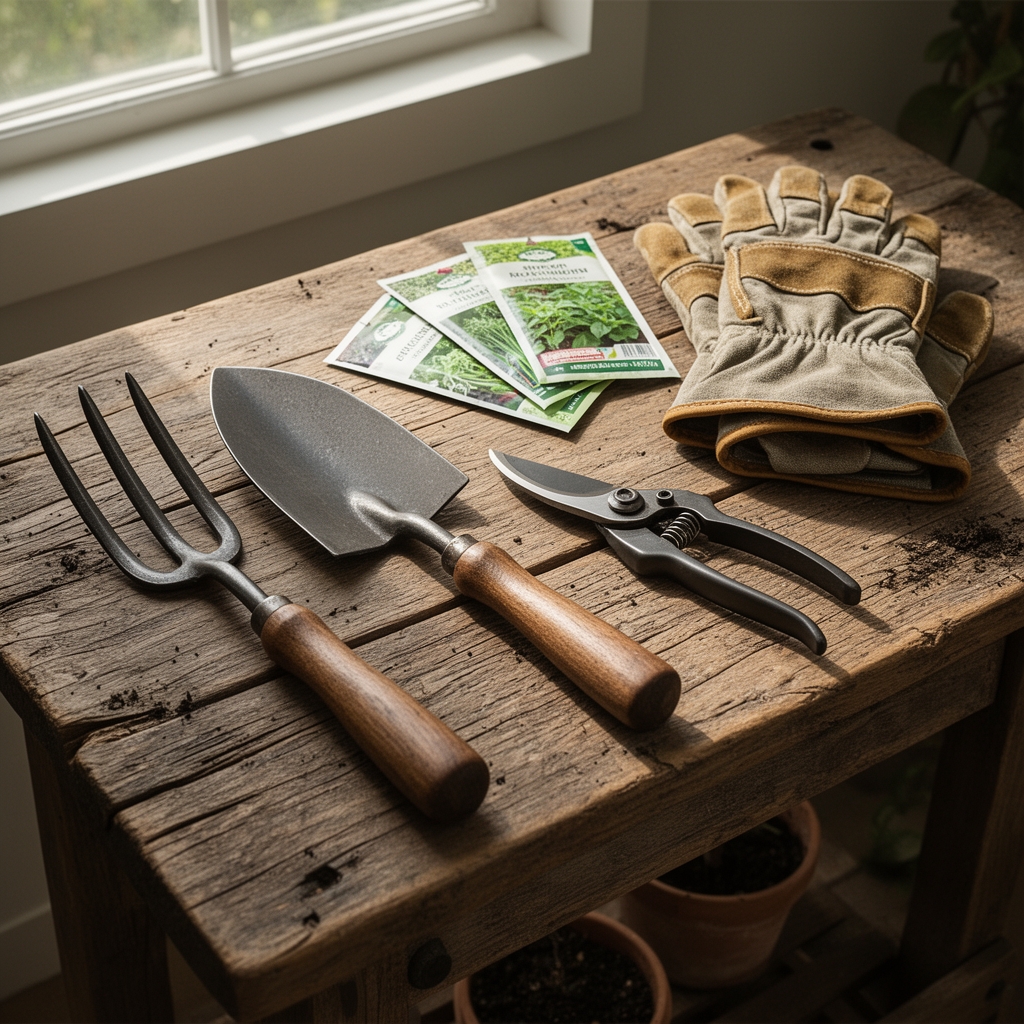
Begin with a soil test. Coastal soils typically register pH 7.5-8.5 due to shell fragments and calcium carbonate deposits. Order elemental sulfur, 2-3 pounds per 100 square feet, to lower pH toward 6.5-7.0. Select amendments with balanced NPK ratios: composted fish waste (4-2-2), alfalfa meal (2-1-2), or kelp meal (1-0.5-2). These provide slow-release nitrogen without the salt load of synthetic fertilizers.
Acquire mycorrhizal inoculant containing Glomus intraradices and Rhizophagus irregularis. These arbuscular fungi extend root systems, improving drought tolerance and phosphorus uptake in sandy soils with low cation exchange capacity. Purchase perlite or expanded shale, 2 cubic feet per 100 square feet, to prevent compaction without adding sodium.
Install windbreak materials: untreated cedar posts and galvanized wire fencing rated for coastal corrosion. Choose salt-tolerant species for the windbreak itself, such as Rosa rugosa (to Zone 2), Tamarix ramosissima (Zone 3), or Baccharis halimifolia (Zone 5). These shrubs intercept up to 60% of salt-laden wind within 10 feet.
Timing
Hardiness Zones 7-10 permit year-round planting, though autumn establishment allows roots to grow while shoot demand remains low. In Zones 5-6, prepare beds in late April through May, two weeks after the last 32-degree frost date. Mycorrhizal colonization requires soil temperatures above 50 degrees Fahrenheit. Apply sulfur amendments in autumn; microbial oxidation to sulfuric acid proceeds slowly and requires 4-6 months to lower pH effectively.
Install windbreaks in late winter before deciduous species break dormancy. This timing minimizes transplant shock and allows root establishment before the summer evapotranspiration peak. In hurricane-prone regions (Zone 9-10), complete structural work before June 1.
Phases

Sowing: Incorporate amendments to 12 inches depth using a broadfork to preserve soil structure. Spread compost, alfalfa meal, and kelp meal at a combined rate delivering 0.5 pounds of nitrogen per 100 square feet. Mix mycorrhizal inoculant directly into planting holes rather than broadcasting; root contact is essential. Scatter perlite over the surface and rake to 6 inches.
Pro-Tip: Wet the bed 24 hours before mixing. Moist soil binds particles, preventing wind erosion during tillage.
Transplanting: Select salt-tolerant species: Limonium latifolium, Armeria maritima, Lavandula angustifolia, and Rosmarinus officinalis. Bury transplants 1 inch deeper than nursery depth. This compensates for wind scour and promotes adventitious root formation along buried stems. Water with a kelp extract solution (1:500 dilution) to stimulate auxin distribution and root hair density.
Pro-Tip: Prune terminal buds at a 45-degree angle immediately after transplant. This redirects auxin basipetally, prioritizing root growth over shoot elongation for 14 days.
Establishing: Apply 3 inches of shredded hardwood mulch in a 24-inch diameter ring around each plant, keeping mulch 2 inches from stems. Mulch moderates soil temperature swings and reduces sodium accumulation by intercepting salt spray. Install temporary burlap screens 18 inches to windward of new plantings. Anchor with bamboo stakes; remove screens after 60 days once cuticle development completes.
Pro-Tip: Foliar spray with calcium chloride solution (0.5% concentration) weekly for four weeks. Calcium competes with sodium for membrane transport sites, reducing intracellular salt toxicity.
Troubleshooting
Symptom: Marginal leaf necrosis, browning from tip to base. Solution: Sodium toxicity. Leach soil with 2 inches of fresh water weekly for three weeks. Apply gypsum (calcium sulfate) at 5 pounds per 100 square feet to displace sodium at cation exchange sites.
Symptom: Interveinal chlorosis on new growth. Solution: Iron deficiency induced by high pH. Apply chelated iron (Fe-EDDHA) as foliar spray at 0.25 ounces per gallon every 10 days until greening occurs.
Symptom: Stunted growth, purple-tinged leaves. Solution: Phosphorus unavailability. Ensure mycorrhizal colonization by checking for hyphal strands on gently washed roots. Supplement with rock phosphate (0-3-0) at 2 pounds per 100 square feet if colonization is absent.
Symptom: Wilting despite adequate soil moisture. Solution: Osmotic stress from salt accumulation. Flush with drip irrigation, applying 1 gallon per square foot over 2 hours to push salts below the root zone.
Maintenance
Irrigate established plants with 1 inch of water per week during the growing season, delivered in a single deep watering to encourage roots below the salt-affected surface layer. Prune dead or damaged tissue monthly; wounds sealed with natural callus tissue resist pathogen entry better than those treated with sealants. Topdress annually in March with 0.25 inches of compost and 0.5 pounds per 100 square feet of kelp meal to maintain soil organic matter at 3-5%.
Monitor electrical conductivity with a handheld meter; readings above 4 dS/m indicate salt stress. Leach when conductivity exceeds 3 dS/m.
FAQ
What plants tolerate salt spray best? Genera adapted to littoral zones: Atriplex, Crambe, Eryngium, Festuca rubra, and Achillea. These possess thick cuticles and specialized salt glands.
Can I grow vegetables in coastal gardens? Yes. Asparagus officinalis, Beta vulgaris, and Brassica oleracea cultivars tolerate moderate salinity. Use raised beds with imported loam for sensitive crops.
How often should I reapply mulch? Every 18 months. Wind and decomposition reduce depth below the 2-inch threshold needed for salt interception.
Does elemental sulfur harm mycorrhizal fungi? No. Application rates of 2-3 pounds per 100 square feet remain below toxicity thresholds. Avoid aluminum sulfate, which acidifies too rapidly and damages hyphae.
When should windbreaks be replaced? Inspect annually for corrosion or structural failure. Cedar posts last 15-20 years in salt environments; replace fabric when more than 30% shows UV degradation.