8 Best Heavy-Duty Tool Belts for Hand Gear
The leather around your waist becomes a second skeleton when you frame a house in January or crawl through an attic in August. A quality tool belt transforms scattered hand tools into an organized arsenal within arm's reach. The best tool belts for organizing hand gear distribute 15 to 35 pounds of steel across your hips without creating pressure points that throb after hour six. Carpenters, electricians, and HVAC technicians know that pocket geometry matters as much as stitching strength when you reach for a utility knife forty times per hour.
Materials
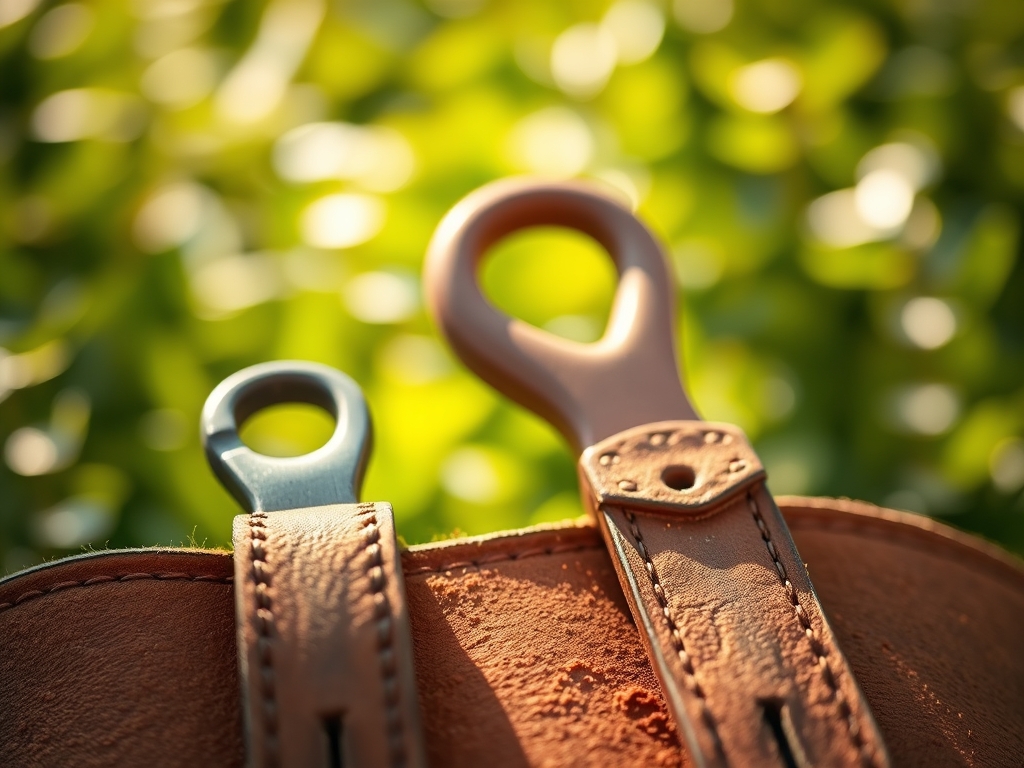
Full-grain leather remains the standard for tool belts handling impact drivers, framing hammers, and pry bars. Top-grain leather costs 30 to 40 percent less but shows creases and tears after 18 months of daily use. Ballistic nylon with polyester webbing offers waterproof performance and weighs half as much as leather, ideal for electricians carrying wire strippers and voltage testers rather than 28-ounce hammers.
Look for belts using number-69 bonded nylon thread with a minimum of seven stitches per inch on stress points. Rivets should be double-capped copper or stainless steel with a 0.188-inch diameter. The backing pad, the section that sits against your body, needs closed-cell foam at least 0.5 inches thick to buffer tool handles from your iliac crest. Polypropylene webbing rated to 2,000 pounds tensile strength will not stretch under a full load of hand planes and socket sets.
Pocket configuration follows trade logic. Electricians need narrow slots for needle-nose pliers and screwdriver sets. Framers require wide loops for 16-ounce hammers and cat's paw bars. Combination belts feature modular pouches with metal clips, allowing you to swap a chalk line holder for a drill holster depending on the phase of construction.
Timing
Select your tool belt based on the season's workload and the environment's toll on materials. Leather belts dry and crack when exposed to sub-freezing temperatures for extended periods. Apply mink oil or leather conditioner every 30 days during winter months to maintain flexibility. Synthetic belts handle temperature swings from minus-20 to 110 degrees Fahrenheit without degradation.
Break in a new leather belt over five eight-hour days before loading it with a full kit. Wear it empty for the first day, then add 50 percent of your typical load for two days, and increase to 75 percent for the next two. This allows the leather to conform to your hip geometry and prevents the waist strap from cutting into your obliques when you bend to pick up a sheet of plywood.
Phases

Initial Setup
Thread the belt through the keeper loops on your work pants to prevent rotation when you lean over sawhorses. Position the heaviest pouch, typically the hammer holder, on your dominant side slightly behind your hip bone. This keeps the hammer head from striking door frames when you walk through narrow passages. Arrange smaller pouches in descending weight order moving toward your spine.
Pro-Tip: Mark the belt's ideal position on your pants with a silver permanent marker after the first day. This reference line saves 90 seconds every morning and ensures consistent weight distribution.
Load Distribution
Place items you access most frequently in the front pouches between your hip bones. Tape measures, utility knives, and pencils belong here. Relegate specialty tools like nail sets and scratch awls to rear pouches. Keep your dominant-side pouch 2 pounds lighter than your off-side to counterbalance your reaching motion when you grab tools.
Pro-Tip: Clip a retractable tether to your drill or impact driver. A dropped drill from a ladder costs $180 to replace and creates a job-site hazard.
Long-Term Adaptation
After 200 hours of use, inspect all rivets and stitching for stress indicators such as puckered fabric or loose threads. Re-oil leather every 40 working hours. Replace synthetic belts when fraying exceeds 0.25 inches on any edge. Most professional-grade belts deliver 1,200 to 2,000 hours before requiring replacement.
Pro-Tip: Rotate between two belts if you work six days per week. Alternating belts doubles lifespan by allowing materials to rest and recover between shifts.
Troubleshooting
Symptom: Hip and lower back pain after four hours of wear.
Solution: Your belt sits too low. Raise it one inch so the waist strap crosses the top of your iliac crest. Tighten the strap until you can slide two fingers between the belt and your body but no more.
Symptom: Tools fall out when you bend or squat.
Solution: Pockets have stretched beyond retention capacity. Replace the pouch or install elastic shock cord across the pocket mouth to create a retention lip.
Symptom: Belt rotates toward your front during overhead work.
Solution: Add a rear stabilizer strap or suspenders. The belt carries too much weight for a waist strap alone when total load exceeds 20 pounds.
Symptom: Leather becomes stiff and cracks near rivets.
Solution: You are over-tightening the waist strap. Loosen it one notch and treat cracked areas with leather repair compound mixed with neatsfoot oil.
Maintenance
Clean leather belts every Friday with saddle soap and a stiff brush to remove sawdust and drywall compound. Rinse synthetic belts in a utility sink with dish detergent and hang them to dry away from direct sunlight. Treat metal hardware with a light machine oil every 90 days to prevent rust in humid climates.
Store belts hanging on a wide peg rather than coiled on a shelf. Coiling creates memory curves that weaken stitching. Empty all pockets before storage to prevent pocket sag.
FAQ
How much weight can a tool belt safely carry?
Professional belts handle 25 to 35 pounds distributed across multiple pouches. Exceeding 35 pounds increases injury risk to your lumbar spine and hip flexors.
Should I choose a single belt or suspenders?
Use suspenders when your typical load exceeds 18 pounds or when you spend more than three hours daily on ladders. Suspenders transfer 60 percent of the weight to your shoulders.
What width should the waist strap be?
A 2-inch strap suits loads under 15 pounds. A 3-inch padded strap is necessary for 20 to 35 pounds. Wider straps distribute pressure across more square inches of your body.
How do I prevent tools from rusting in the pouches?
Drop two desiccant packets into each large pouch. Replace them monthly in humid regions. Wipe steel tools with an oily rag before storing them overnight.
Can I wash my tool belt in a machine?
Never machine-wash leather. Synthetic belts tolerate gentle cycles in cold water but air-dry only. Heat from dryers melts webbing and weakens stitching.