7 Steps to Prepare a Acid-Loving Blueberry Patch
Blueberry roots thrive in a narrow pH window between 4.5 and 5.5, where aluminum and iron remain soluble and mycorrhizal fungi colonize effectively. Outside this range, chlorosis appears within weeks, yields drop by half, and plants decline despite generous watering. Learning how to prepare a blueberry patch with acidic soil transforms marginal land into a perennial fruit system that produces for twenty years or more when the substrate chemistry aligns with the plant's evolutionary adaptations to acidic, low-nutrient environments.
Materials
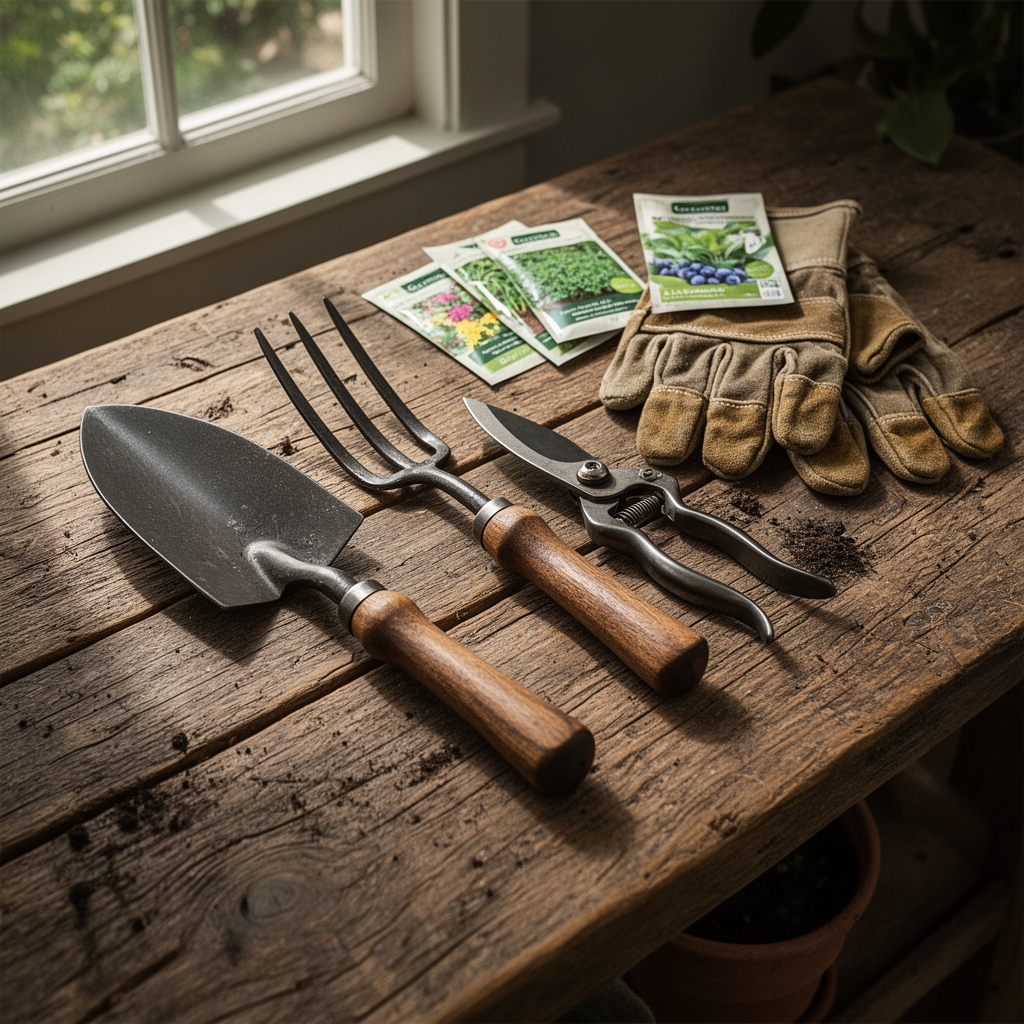
Elemental sulfur remains the most reliable acidifying agent, lowering pH by one point per 1.5 pounds per 100 square feet in loam soils. Iron sulfate acts faster but requires double the application rate. Aluminum sulfate acidifies rapidly yet risks aluminum toxicity above 5 pounds per 100 square feet.
Organic amendments include cottonseed meal (6-2-1 NPK, pH 4.8), peat moss (pH 3.5 to 4.5), and pine bark fines (pH 4.0). A 4-4-4 organic fertilizer blend supplies baseline nutrition without spiking salinity. Avoid manure-based composts; their calcium carbonate content neutralizes acidity within one growing season.
Mulch options include pine needles (pH 3.5), shredded oak leaves (pH 4.2), and aged sawdust (carbon-to-nitrogen ratio 400:1, requires nitrogen supplementation). A digital pH meter with 0.1 resolution and automatic temperature compensation eliminates guesswork. Soil test kits measuring cation exchange capacity reveal how much sulfur the soil can buffer before pH shifts.
Timing
In USDA Hardiness Zones 3 through 7, prepare the patch six months before planting to allow sulfur oxidation by Thiobacillus bacteria. For Zone 5, begin amendment in October for April planting. Zones 8 and 9 require fall planting to establish roots before summer heat; amend soil in April for October transplanting.
Soil temperatures above 50°F accelerate sulfur conversion. Cold-season preparation in Zones 6 and colder extends the window to twelve months. Spring soil tests confirm pH stability before bare-root or container stock arrives. Avoid amending frozen ground; microbial activity ceases below 40°F, leaving elemental sulfur inert until thaw.
Phases

Site Clearing and Tilling
Remove perennial weeds to a depth of 8 inches, extracting rhizomes of quackgrass and bindweed. Till to 12 inches, breaking hardpan layers that restrict root penetration. Blend elemental sulfur into the top 6 inches; deeper placement isolates it from oxygen and slows conversion. Rake the surface level, eliminating depressions where water pools and promotes Phytophthora root rot.
Pro-Tip: Incorporate mycorrhizal inoculant (Rhizoscyphus ericae) at 0.25 ounces per plant hole. This ericoid mycorrhiza extends root surface area by 700 percent, accessing organic nitrogen that blueberries cannot absorb directly.
Bed Construction
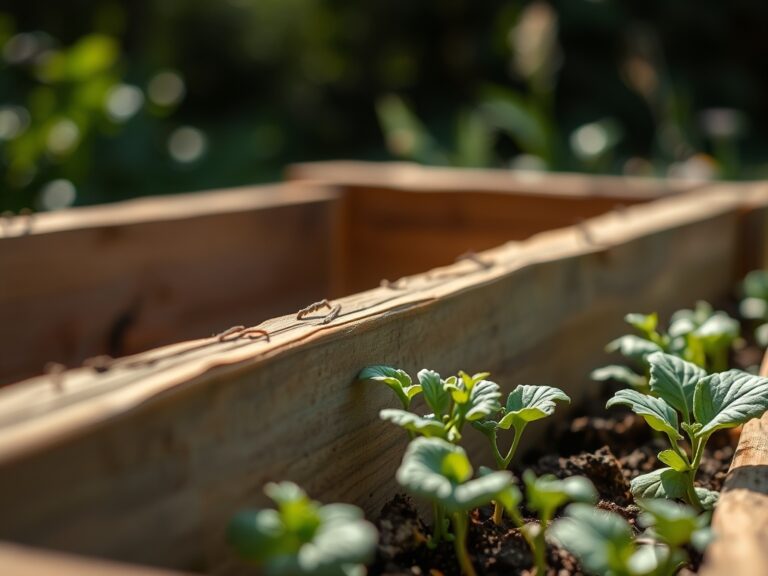
Mound soil into raised beds 18 inches high and 3 feet wide, spaced 8 feet apart for highbush varieties. Raised beds improve drainage and warm faster in spring, advancing bloom by one week. Mix pine bark fines at a 1:1 ratio with native soil in the mound, increasing porosity to 25 percent air-filled pore space at field capacity.
Pro-Tip: Install drip irrigation tubing 2 inches below the surface before mulching. Subsurface placement reduces evaporation by 30 percent and keeps foliage dry, preventing mummy berry spore germination.
Planting and Mulching
Dig holes 18 inches wide and 12 inches deep, matching the root ball diameter. Position the crown 1 inch above grade to prevent stem rot. Backfill with the amended bed mix, firming gently to eliminate air pockets without compacting. Water with 2 gallons per plant immediately after planting to settle roots and activate mycorrhizal spores.
Apply 4 inches of pine needle mulch in a 3-foot diameter circle, keeping it 3 inches from the stem. Mulch moderates soil temperature, suppresses weeds, and decomposes into humic acids that maintain acidity.
Pro-Tip: Prune transplants at a 45-degree angle to outward-facing buds, directing auxin distribution toward horizontal scaffold branches. Remove flower buds the first year to allocate carbohydrates to root growth rather than fruit set.
Troubleshooting
Symptom: Interveinal chlorosis on new leaves, with green veins and yellow tissue.
Solution: Iron deficiency from pH above 5.5. Apply chelated iron (Fe-EDDHA) at 1 ounce per plant as a soil drench. Re-test pH and add sulfur if needed.
Symptom: Brown leaf margins and tip dieback despite adequate moisture.
Solution: Salt accumulation from over-fertilization or sodium in irrigation water. Leach with 2 inches of rainwater or distilled water weekly for three weeks.
Symptom: Wilting during cool, wet weather with dark, water-soaked roots.
Solution: Phytophthora root rot. Improve drainage, reduce irrigation frequency, and apply mefenoxam fungicide at labeled rates.
Symptom: Stunted growth with sparse foliage and weak shoots.
Solution: Nitrogen deficiency. Side-dress with cottonseed meal at 0.5 pounds per plant in early spring, repeating in June.
Symptom: Sudden shoot wilt in late spring, with stem cankers below the dieback.
Solution: Phomopsis twig blight. Prune infected wood 6 inches below visible damage. Apply copper fungicide at bud break.
Maintenance
Apply 0.5 pounds of ammonium sulfate (21-0-0) per plant in early March, dividing the dose into two applications six weeks apart. Blueberries require 1 to 2 inches of water weekly during fruit development, delivered through drip irrigation to maintain consistent soil moisture at 60 percent field capacity. Reduce nitrogen after July to harden wood before dormancy.
Re-apply pine needle mulch annually to maintain a 4-inch depth, replenishing organic matter as decomposition proceeds. Test soil pH each October, adding sulfur if readings drift above 5.3. Prune in late winter, removing canes older than six years and thinning to six to eight productive stems per bush.
FAQ
How long does sulfur take to lower pH?
Elemental sulfur requires 60 to 120 days to oxidize and acidify soil, depending on particle size, temperature, and microbial activity. Finer granules (90 percent passing a 100-mesh screen) react within 60 days at 70°F.
Can I use vinegar to acidify blueberry soil?
Vinegar provides temporary pH reduction lasting days to weeks before soil buffers neutralize it. Elemental sulfur offers sustained acidification for multiple growing seasons.
What pH is too low for blueberries?
Below pH 4.0, aluminum toxicity damages roots and manganese becomes excessively available, causing leaf spotting. Raise pH with dolomitic lime at 2 pounds per 100 square feet.
Do blueberries need full sun?
Blueberries require at least 6 hours of direct sun daily for optimal fruit production. Shade reduces yield by 40 percent and delays ripening.
How far apart should blueberry bushes be planted?
Space highbush varieties 5 to 6 feet apart within rows and 8 to 10 feet between rows. Lowbush types need 2-foot spacing. Adequate spacing improves air circulation, reducing fungal disease pressure.