7 Best High-Output Lights for Indoor Starts
The smell of damp peat moss and the cool humidity of a germination chamber signal the start of the production cycle. A healthy seedling displays high turgor pressure; its hypocotyl is thick and its cotyledons are a deep, matte green. Success in the early stages of indoor cultivation depends entirely on the spectral quality and photon flux density provided to the young tissue. Selecting the Best plant lights requires an understanding of Photosynthetically Active Radiation (PAR) and the specific Micromoles per Joule (umol/j) efficiency of the fixture. Without sufficient light intensity, the plant undergoes etiolation, stretching its stem and weakening the cellular structure. A professional setup prioritizes a balanced spectrum that mimics the 5000K to 6500K range of early spring sun to ensure compact, robust growth. High-output lighting systems provide the energy necessary for adenosine triphosphate (ATP) production within the chloroplasts, driving the metabolic processes that turn a dormant seed into a vigorous transplant. Precision in light height and duration prevents the physiological stress that leads to stunted development or early senescence.
Materials:
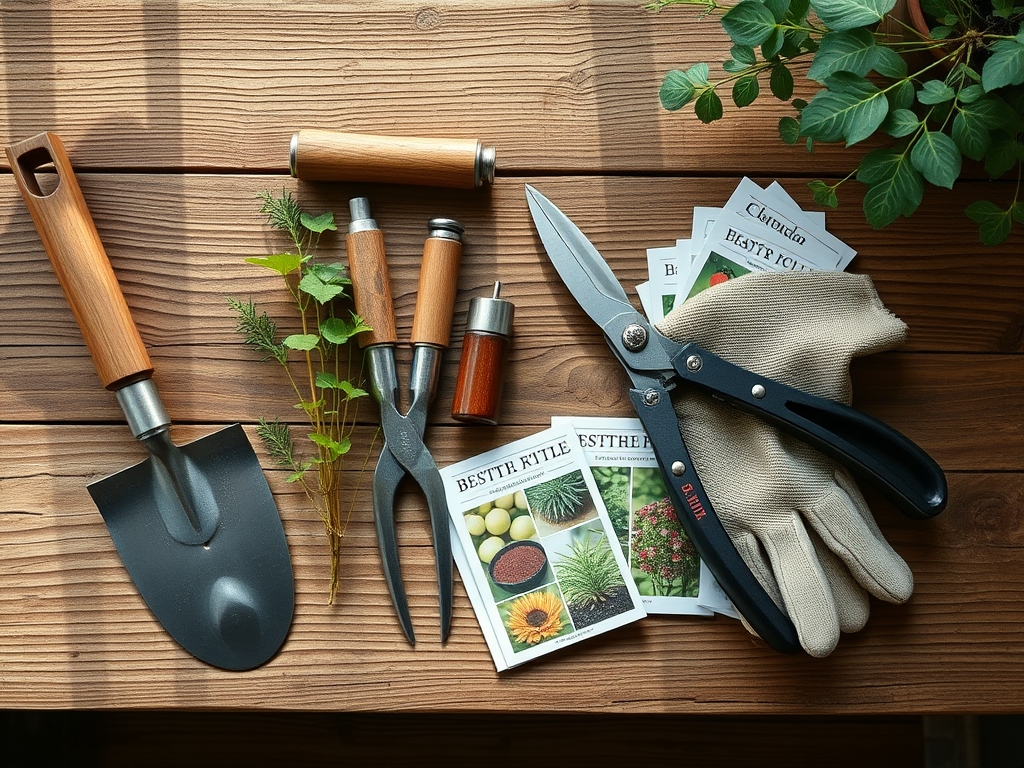
The foundation of high-output starting begins with the substrate. Use a **friable loam** or a sterile peat-perlite mix with a **Cation Exchange Capacity (CEC)** high enough to retain essential nutrients. The ideal soil pH for indoor starts ranges between **5.8 and 6.2** to ensure maximum bioavailability of micronutrients. For the initial vegetative stage, the **NPK ratio** should favor nitrogen to promote leaf and stem development; a **3-1-2 or 4-1-1** ratio is standard. Ensure the texture is gritty enough to allow for rapid drainage, as anaerobic conditions in the **rhizosphere** lead to root rot. High-output LED or T5 fluorescent fixtures must be paired with a digital timer to maintain a consistent **16-hour photoperiod**.
Timing:
Hardiness Zones dictate the start date for indoor sowing. In Zones 5 and 6, most brassicas and solanaceous crops require a head start of 6 to 10 weeks before the last frost date, typically occurring in late April or May. The "Biological Clock" of the plant is governed by the transition from vegetative to reproductive stages, triggered by changes in light duration and temperature. For indoor starts, maintaining a consistent soil temperature of 70 to 75 degrees Fahrenheit ensures rapid germination. Once the first true leaves appear, the plant enters a high-growth vegetative phase where light intensity must increase to meet the rising metabolic demand. Failure to time the transplant window correctly results in root-bound specimens that suffer from transplant shock and reduced overall yield.
Phases:
Sowing
Place seeds at a depth of two to three times their diameter. Maintain 100 percent humidity using a clear dome until the radical emerges. The Best plant lights should be positioned 2 to 4 inches above the soil surface for T5 bulbs, or 12 to 18 inches for high-intensity LEDs.
Pro-Tip: Maintaining high humidity during germination prevents the seed coat from drying and trapping the cotyledons. This is vital because the plant relies on the stored energy in the endosperm until it can establish phototropism and begin independent photosynthesis.
Transplanting
When the seedling develops its second set of true leaves, move it to a larger vessel. Handle the plant by the root ball or a leaf, never the stem, to avoid crushing the vascular tissue. Ensure the new substrate is pre-moistened to a field capacity of 60 percent.
Pro-Tip: Introduce mycorrhizal symbiosis by dusting the root ball with fungal spores during transplanting. This biological partnership increases the effective surface area of the root system, enhancing the uptake of phosphorus and water.
Establishing
Once transplanted, the plant requires a "hardening off" period if it is eventually moving outdoors. Gradually increase light intensity and air circulation to strengthen the cell walls. Monitor the turgor pressure daily; a wilting plant indicates either a lack of water or a compromised root system.
Pro-Tip: Use a small fan to create a gentle breeze across the seedlings. This mechanical stress triggers the release of ethylene, which inhibits elongation and promotes auxin suppression in the apical meristem, resulting in a thicker, sturdier stalk.
The Clinic:
Physiological disorders often mimic pathogen attacks but are usually rooted in environmental or nutritional imbalances.
- Symptom: Interveinal Chlorosis. The tissue between the leaf veins turns yellow while the veins remain green.
- Solution: This is a classic sign of Magnesium deficiency. Apply a foliar spray of Epsom salts (1 tablespoon per gallon of water) to restore chlorophyll production.
- Symptom: Purpling of lower leaves.
- Solution: This indicates Phosphorus deficiency, often caused by soil temperatures below 60 degrees Fahrenheit which locks out the nutrient. Increase the ambient temperature of the grow space.
- Symptom: Tip Burn on new growth.
- Solution: This suggests Calcium localized deficiency, often due to low transpiration. Increase airflow and ensure the soil moisture is consistent to allow the plant to transport calcium through the xylem.
Fix-It Section: For general Nitrogen chlorosis (uniform yellowing of older leaves), apply a liquid seaweed or fish emulsion fertilizer with a 5-1-1 NPK ratio. This provides an immediate nitrogen boost to restore the nitrogen-to-carbon balance within the plant tissue.
Maintenance:
Precision maintenance is the difference between a surviving plant and a thriving one. Use a soil moisture meter to ensure the substrate never drops below 30 percent moisture content. When watering, provide 1.5 inches of water per week, delivered directly to the soil to keep the foliage dry and prevent fungal spores from germinating. Use a hori-hori knife for precise weeding or to check soil compaction levels. For larger starts, use bypass pruners to remove any necrotic lower leaves, which improves airflow around the base of the plant. Check the light height every 48 hours; as the plants grow, the distance to the light source decreases, which can lead to localized heat stress or light bleaching.
The Yield:
For edible starts like herbs or leafy greens, harvest when the plant has at least six to eight sets of leaves. Use sharp shears to take no more than one-third of the total biomass at a time to prevent the plant from entering a state of shock. For maximum "day-one" freshness, harvest in the early morning when the plant is at peak hydration. Immediately submerge the cut ends in cool, 55-degree Fahrenheit water and store in a high-humidity environment to slow the rate of senescence and preserve the volatile oils and sugars.
FAQ:
What is the best color spectrum for starting seeds?
A "cool" spectrum between 5000K and 6500K is ideal. This blue-heavy light mimics spring conditions, encouraging compact growth, strong stems, and dense foliage while preventing the leggy stretching associated with warmer, red-heavy light spectrums.
How far should LED lights be from seedlings?
Position high-output LEDs 12 to 18 inches above the canopy. Monitor for signs of light stress, such as leaf curling or bleaching. If the plants stretch toward the light, decrease the distance in 2-inch increments until growth stabilizes.
How many hours of light do indoor plants need?
Most indoor starts require a 16-hour photoperiod followed by 8 hours of darkness. The dark period is essential for cellular respiration and the processing of the energy captured during the day. Use a digital timer for strict consistency.
Can I use regular shop lights for plants?
Standard shop lights often lack the Photosynthetic Photon Flux Density (PPFD) required for vigorous growth. While they may work for low-light greens, high-output "Best plant lights" are necessary for fruiting crops to prevent weak, spindly development and nutrient uptake issues.