6 Ways to Prepare Garden Tools for Long Storage
Leaving a garden unattended for weeks or months triggers a cascade of failures: irrigation lines clog with algae, weeds smother perennials, and tools oxidize into brittle rust. Understanding how to prepare a garden for a long-term absence separates the gardener who returns to salvageable beds from one who faces total replanting. The process demands systematic attention to tools, soil microbiome preservation, and plant dormancy manipulation. Each step protects months of cultivation investment.
Materials
Tool maintenance requires three categories of supplies. For cleaning, source a stiff brass brush (avoids scratching tempered steel), mineral spirits with flash point above 140°F, and coarse silica sand for abrasive action. Protective coatings include food-grade mineral oil, boiled linseed oil (polymerizes within 24 hours), or dedicated tool wax containing carnauba and beeswax. Sharpening demands a 10-inch mill bastard file, 400-grit wet/dry silicon carbide paper, and a leather strop charged with chromium oxide compound.
For soil and plant prep, select a balanced 4-4-4 organic fertilizer (feather meal, bone meal, and kelp in equal nitrogen-phosphorus-potassium ratios). Granular mycorrhizal inoculant with Rhizophagus irregularis spores ensures root-fungal symbiosis persists during absence. Mulch options include shredded hardwood bark (carbon-to-nitrogen ratio of 60:1) or straw certified weed-seed-free. A soil pH test kit with 0.2-unit resolution clarifies whether to apply dolomitic lime (raises pH, adds magnesium) or elemental sulfur (lowers pH over 4-8 weeks).
Timing
Execute preparation 7-10 days before departure. Zones 3-5 gardeners leaving before first fall frost (typically September 15-October 15) must prioritize cold-hardy crop protection and tool storage in heated spaces. Zones 6-8 face milder winters; tools stored in unheated sheds require more aggressive rust prevention due to humidity fluctuations. Zones 9-11 gardeners combat year-round microbial activity and UV degradation. Spring absences (March-May) demand pre-emergence herbicide application 14 days prior to suppress warm-season annual weeds during the soil's 50-65°F germination window.
Summer departures coincide with peak evapotranspiration. Soil moisture sensors with 0.1-bar resolution, installed at 6-inch depth, trigger drip irrigation when tension exceeds field capacity. Program systems to deliver 1.0 inch per week in sandy loam, 0.75 inch in clay loam, adjusted by local reference evapotranspiration data.
Phases
Tool Cleaning
Remove all soil and sap residue. Soak blades in 5% acetic acid solution for 15 minutes to dissolve mineral deposits. Scrub with brass brush and silica sand slurry, following the blade bevel angle. Rinse with distilled water to prevent chloride pitting from municipal water. Dry immediately with compressed air or lint-free cloth.
Pro-Tip: Heat metal components to 150°F with a heat gun before oil application. Thermal expansion opens micro-pores in the steel, allowing penetrating oils to displace trapped moisture at the molecular level.
Sharpening and Honing
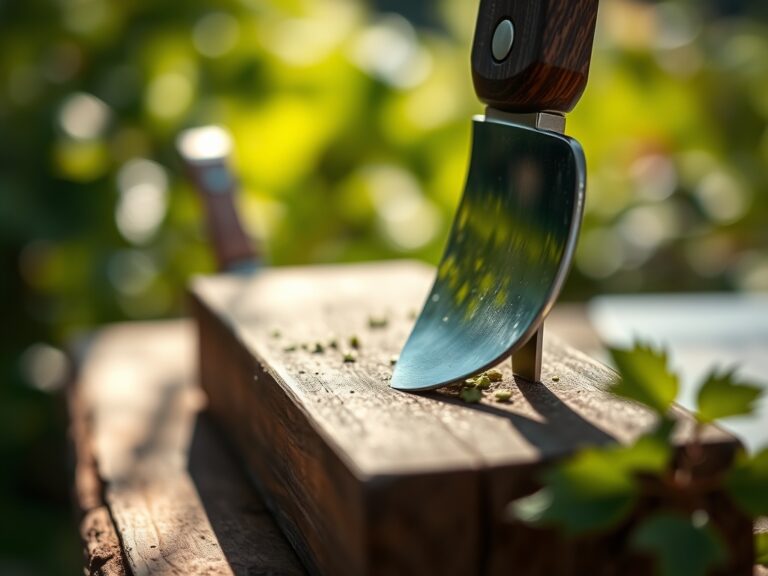
Secure tools in a vise. File at 20-25 degrees for hoes and spades, 30-35 degrees for pruners. Use push strokes only; pulling creates burrs. Progress to 400-grit paper with light mineral oil as lubricant, maintaining consistent angle through 20 strokes per side. Finish with 10 passes on leather strop. Test sharpness by slicing newsprint held vertically; a properly honed edge requires no sawing motion.
Pro-Tip: Mark the factory bevel with permanent marker before filing. The ink reveals low spots and prevents over-grinding that weakens the edge.

Protective Coating and Storage
Apply boiled linseed oil in thin coats, wiping excess after 10 minutes. Polymerization completes in 18-24 hours at 70°F. Alternatively, melt tool wax in a double boiler at 160°F and dip metal components for 3 seconds. Hang tools vertically to prevent oil pooling in joints. Store in low-humidity environments (below 50% relative humidity) away from concrete floors that wick ground moisture. Wrap cutting edges in wax paper secured with natural-fiber twine.
Pro-Tip: Place desiccant packets (silica gel, rechargeable at 250°F for 2 hours) in closed toolboxes. Monitor with humidity indicator cards; replace desiccant when blue crystals turn pink.
Troubleshooting
Symptom: Orange-brown rust patches despite oiling.
Solution: Steel was insufficiently degreased. Strip with acetone, re-clean with TSP solution (1 tablespoon per quart water), dry in 200°F oven for 10 minutes, then reapply protective coat within 1 hour.
Symptom: Wood handles develop longitudinal cracks.
Solution: Low moisture content caused shrinkage. Sand to bare wood, soak in raw linseed oil for 12 hours, wipe dry, then cure for 48 hours. Repeat annually.
Symptom: Tool edges show micro-chipping after storage.
Solution: Over-hardened steel from improper heat treatment. Anneal at 1400°F, then temper to Rockwell C 55-58. Alternatively, grind past damaged zone and re-establish bevel.
Symptom: Spring mechanisms on pruners seize.
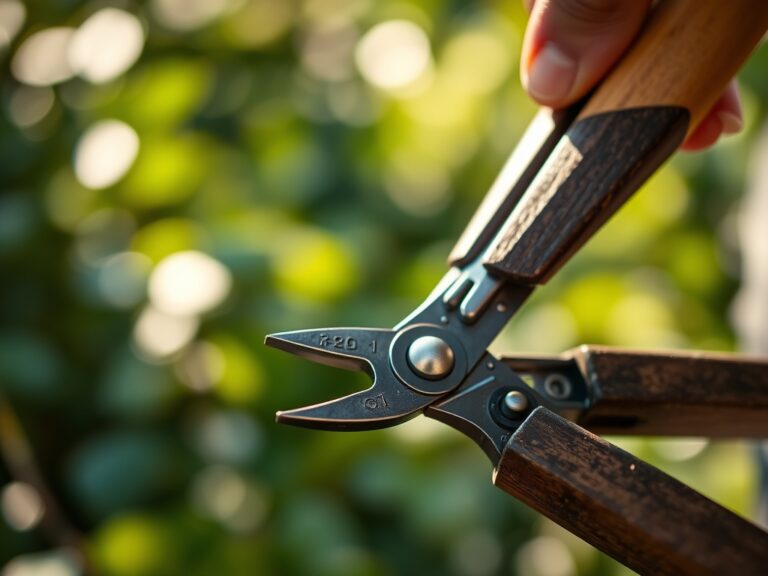
Solution: Moisture infiltrated pivot points. Disassemble, soak in penetrating oil for 24 hours, clean with brass brush, lubricate with PTFE-based grease, reassemble with stainless steel hardware.
Maintenance
Inspect stored tools monthly if absence extends beyond 90 days. Reapply oil to any surface showing dullness (indicates film breakdown). Check wooden handles for pest frass (powdery sawdust indicating beetle larvae); treat with borate solution if detected. Tighten all rivets and bolts; metal contracts differently than wood, creating play in joints. Sharpen edges if planning to use immediately upon return; stropping alone restores cutting ability after proper storage.
For garden beds, apply 3 inches of shredded hardwood mulch to suppress weeds and moderate soil temperature swings. Drip irrigation should deliver 1.0-1.5 inches weekly, confirmed with rain gauge measurements. Prune herbaceous perennials to 4-6 inches to reduce transpiration load. Apply mycorrhizal inoculant at 1 teaspoon per square foot, watered in with 0.5 inch irrigation to move spores into root zone contact.
FAQ
How long can tools remain in storage without maintenance?
Properly cleaned and oiled tools in controlled humidity (below 50%) last 6-12 months. Beyond that, inspect quarterly and refresh protective coatings.
Can stainless steel tools skip rust prevention?
No. Stainless contains chromium that forms a passive oxide layer, but chlorides and acids breach this protection. Clean and oil even stainless components.
What temperature ranges damage tool steel?
Freezing poses no risk to properly dried tools. Temperatures above 400°F degrade temper and reduce hardness. Storage in attics reaching 150°F is safe.
Do wooden handles require different prep than fiberglass?
Yes. Wood needs oil saturation to prevent moisture loss cracking. Fiberglass requires only cleaning; UV exposure degrades resin, so store away from windows.
Should garden soil receive amendments before absence?
Apply slow-release 4-4-4 fertilizer only if absence is under 60 days. Longer periods risk nutrient leaching or microbial tie-up without active root uptake.